Blog Post 198 – Dolls

In one of our recent holiday episodes, we discussed the way that toys, dolls in particular, seem to embody the uncanny. Dolls, doll babies, dollies, poppets—whatever you call them, figural toys seem to have the power to evoke fear in people and act as powerful proxies for magical work. I decided to cover the topic in part because several podcasts I frequently download (namely LORE and Stuff You Missed in History) have recently mentioned Robert the Doll in Key West, Florida. Robert’s story is full of creepy twists and turns, but nicely captures how dolls can be both innocent (as Robert is when he acts as a best friend to his young owner, Gene) and terrifying (as Robert is when he shows up on a subsequent owner’s bed, brandishing a kitchen knife). Still, most tales of dolls and magic in the New World are not as spectacular as Robert’s. That doesn’t mean there aren’t some very interesting uses for dolls in American folk magic. There most definitely are, and in this article, we’ll look at some of the ones that I find most interesting.

Robert the Doll, in Key West, Florida. Creepy, right? By Cayobo from Key West, The Conch Republic (Robert The Doll Uploaded by LongLiveRock) [CC BY 2.0 (http://creativecommons.org/licenses/by/2.0)%5D, via Wikimedia Commons
We can start in Salem, during the famous witchcraft trials of the early 1690s. A slave from Barbados named Candy was the focus of one early investigation (although her fate was not, as far as we know, the gallows). Candy confessed her use of folk magic, including the use of a handkerchief which she transformed into a doll:

“Candy stated that her knowledge of witchcraft came from her experience in Salem and not from her home in Barbados. The magical items possessed by Candy bear closer analysis and provide evidence for a possible connection to African or Afro- Caribbean beliefs. The knotted handkerchief was obviously a doll to stick with pins or to rend to inflict pain on others. The pieces of cloth were possibly shreds of clothing to be used to identify the dolls with a particular victim, as is common in the sympathetic magic which makes up part of voodoo belief” (McMillan 104-5)

Comments about “voodoo belief” aside (here I think McMillian is simply conflating “voodoo” with the folk magic of African Caribbeans), Candy’s use of the knotted handkerchief gets at some of the main reasons that doll magic seems to be popular and widespread. Firstly, it involves easily found or acquired resources—in this case cloth from the intended target, making the materials doubly enticing. Secondly, doll magic is sympathetic magic, and the connection is easy to see. If I make a piece of someone’s long johns look like a person, particularly the person whose backside the doll so recently covered, it seems likely that those two things will share a connection.

This point, that something that looks human but isn’t has uncanny powers, gets echoed in a lot of folklore as well, some of which connects to the folk magical systems of early Americans. Imported stories, such as tales about Anansi, refer to the use of dolls as agents of trickery. One account of Anansi tells how he tricked Tiger, and Tiger avenged himself on Anansi by putting a gumdoll in a field. Anansi gets angry when the doll won’t respond to him, and strikes it, becoming stuck to it. This tale is likely best known by American audiences as the tale of Brer Rabbit and the Tar Baby, of course, which replaces Anansi with the wily trickster rabbit and uses tar in place of tree gum. An Apache tale recasts the narrative as Coyote fighting with a lump of pitch, placed in a field by a “white man” to catch the sneaky food thief. The story keeps reappearing across different cultural backdrops, with new characters but the same basic structure. In all cases, the doll in question does nothing—that is one of the reasons Brer Rabbit and his compatriots dislike the thing—but still manages to get the best of its target.

Illustration of Brer Rabbit & the Tar Baby. A. B. Frost [Public domain], via Wikimedia Commons
Dolls, much like the Tar Baby or gumdoll, don’t necessarily have to do anything to be effective in folk magic, either. Jason Miller recounts a story in his Protection & Reversal Magic in which a doll’s effect is clearly psychological, but nonetheless potent:

“A santera I know was having problems with her neighbor being loud and obnoxious at all hours of the night and leaving garbage on her lawn. She asked her madrina (her teacher) what she should do. The madrina told her to make a doll that looked like the neighbor, blindfold it, tie its arms and legs, and nail it to the tree in her yard facing her neighbor’s front door. My friend was a bit shocked and said, “Good Lord! I don’t want to hurt him! What will happen?”

“Nothing” replied her madrina, “but it will scare the living crap out of him!”” (Miller 30)

Miller’s account of the santera’s doll experience resembles other accounts in American folk history. Newbell Niles Puckett references a similar incident in his Folk Beliefs of the Southern Negro. In the cases Puckett describes, the dolls may or may not actually have a magical effect, or they might simply convey the sender’s sentiments about how they wish to see the recipeient suffer: “Very common also was the practice of putting small black caskets, often with skull and crossbones upon the cover, in front of a person’s door. Sometimes these would contain a small doll with pins run through the heart and with a burned-out candle at the head and another at the foot, doubtless a case of sympathetic magic, indicating a desire that the person be “laid out” according to the Catholic rites.” (Puckett 227-8).

Dolls that do nothing, however are not as much fun as dolls that do something. Fairy tales like “Vasalissa the Beautiful” from Russian lore offer dolls that seem to do little, but in fact act as powerful fetishes of protection to those that carry them. Vasilissa is protected by her mother’s doll, which carries a maternal blessing and performs tasks while the young girl and the old witch Baba Yaga are sleeping at night. Baba Yaga is always disappointed by Vasilissa’s completion of her tasks, which she knows must be done by magic but cannot figure out. Eventually the ancient cannibal witch decides not to eat the girl and instead sends her away with a magical gift when she learns that Vasilissa is protected by her mother’s blessing (although she never does puzzle out the secret of the doll).

Just as in fairy tales, dolls can have powerful magical agency, according to folklore. Several authors, including the aforementioned Jason Miller, suggest using dolls or poppets in spells, just as Candy was said to have done in Salem. Miller recommends a mirror box spell using a doll which will turn any harmful magic back on its sender or protect one from magical attack. Dorothy Morrison makes similar suggestions in her book on baneful magic, and even talks about using dollar store Barbie knockoffs stuffed with personal materials or herbs as a way of simplifying the doll-making process.

When it comes to making dolls, however, kids seem to have a knack for doing it with whatever’s at hand, which as I mentioned above, may be part of why dolls are both so ubiquitous and so powerful. Coming from materials which are already familiar to the doll-maker through use and contact, the relationship with the doll itself can be very deep once the figure has been created. Adults do sometimes craft dolls and other toys with what is around, but they are also likely to purchase materials:

“Folk toys are made of any convenient materials, including wood, clay, plants, paper, fabric, metal, sand, or snow. If made by children, they most often utilize recycled or “found” materials (as when rubberbands are saved to make a “Chinese jump rope”). Adults, especially those who make toys for sale, are more likely to purchase new materials as needed. Folk toys come in many varieties: Dolls are common (often made of natural materials such as nuts, apples, or corncobs dressed in scraps of fabric).” (Leeds-Hurwitz 1477)

The fabrication of toys and dolls, including ones used for ritual or magical purposes, is not limited to post-European contact in the New World, either. According to scholar Yvonne Milspaw, Native cultures would create paper-type dolls out of natural materials with magic in mind: ““Other reported uses of paper and bark cutting among Native Americans include carefully worded reports of sorcery and cut-paper dolls among some Mexican people like the Otomi” (MIlspaw 1134). Some of these traditions may have shaped latter-day practices like the creation of skeletal papier mache dolls for Day of the Dead/Dia de Muertos celebrations in Mexican and Mexican American culture.

So dolls can be made from lots of materials, and can be active or passive in the use of magic, as we’ve seen. They also frequently come with their own rules or taboos about how they can be used, deployed, or even simply treated. When it comes to folk magic, African American conjure traditions emphasized the choice of materials as a matter of import. Dolls are often crafted with local flora (and occasionally fauna) for a combination of practical and symbolic reasons. Spanish moss is frequently used to stuff or wrap doll babies in Delta-area conjure practices both because it grows ubiquitously on trees in the region and because as a plant it acts semi-parasitically (it doesn’t actually feed off of the oak trees it grows upon directly, but it can limit their growth), thereby sharing life with a host as a doll is supposed to. Even more potent than Spanish moss, however, are doll components that come directly from the intended target, such as pieces of their clothing, as illustrated by this example from African American folklore:

“My husband was very jealous of me, he was just insane jealous. He was always telling me he was going to put a spell on me. I was afraid of him. I went to a house where he didn’t want me to go, because a man was at that house he was jealous of. He was going away to get work…and told me not to go there. He went and took a piece of my bloomers and made a rag doll out of them, stuff it, worked black eyes like mine with silk thread; then put in the head — a needle, some of my hair, pins, rain water and a shingle nail, then sewed up the head. After that he took a small picture of me and put it on the left side of the rag doll, about where my heart is; then he filled the doll just full of pins and needles all over. He then put it in a pint jar and buried it under that house, where he didn’t want me to go — without anyone knowing it — and left town. I started to getting sick just as soon as he left, was sick all the time, could not find out what was wrong. I would start over to the house, but I could not make it. Something kept me from going. I went on this way for about a month, I was getting weaker and weaker, when one day some children playing around this house, digging, dug up this rag doll. They [the people at the house] knew right away it was to cast a spell over me, because they knew my picture was on the doll, and he was always saying he was going to make me suffer. We took the rag doll, jar and all, put it on the fire and burnt it all up; and I started to getting better right away and got well. And my husband got stab in about a month time; we threw the spell back on him by burning up everything, and he died and I am well.” (Hyatt 456)

A number of writers on conjure similarly describe the use of clothing from the intented target, including Yvonne Chireau, Starr Casas, Denise Alvarado, and Jefferey Anderson. While a doll sculpted from scratch certainly seems to be preferred in many magical practices, it is not the only way to operate. Much as Dorothy Morrison mentions using dollar-store plastic dolls to do work, Zora Neale Hurston records the repurposing of children’s toys for magical purposes in Southern African American hoodoo:

“To Keep a Person Down. Write name on paper with black ink. Rip open back of a doll and put the names in it. Sew it up with black thread. Put aloes, cayenne pepper in doll along with names. Tie the hands of the doll behind her and place her in a kneeling position in a corner, and keep her there where nobody will interrupt. They will be frustrated as long as she is not disturbed. Tie a black veil on her face and knot it in the back, so that the person will be blind and always do the things to keep himself from progressing” (Hurston 384).

"Voodoo Doll," featured at the Louvre, Paris. © Marie-Lan Nguyen / Wikimedia Commons, via Wikimedia Commons
“Voodoo Doll,” featured at the Louvre, Paris. © Marie-Lan Nguyen / Wikimedia Commons, via Wikimedia Commons

In addition to the lore of creepy dolls and the lore about how to use dolls magically, there seem to be a few taboos about dolls which thread through different American cultural landscapes as well. For instance, many Amish communities have strict rules about children’s dolls, insisting that they cannot have faces on them for fear of violating the “graven images” commandment in the Bible (the rule also extends to things like snowmen and usually paintings as well). Hyatt notes that one superstition about dolls involves naming: “If a girl changes the name of her doll, the doll will break.” (Hyatt, p.268). He also records a much more sinister taboo about dolls which I cannot help but share here:

“A little girl died that was three years old, and her mother put a doll and a little horse in the coffin that she always played with. I said to the mother, ‘I would not do that, for there is an old saying, never bury anything with a corpse.’ And in a few weeks this little girl’s mother and sister died.” (Hyatt 374)

This last bit of folklore is fascinating to me simply because it seems to be a powerful impulse in human beings to bury toys with children when they are tragically lost. Many early human graves contain burial goods, and children’s burial goods often seem to be toys. Dolls, though, might have a special exemption from burial because of their close resemblance to a living person, although that does not seem to be a universal taboo.

Dolls today have a lot of the same stigmas attached to them: they are objects of fear and superstition as well as simple objects of play. Magically, they can be used for a number of purposes which resemble and also modify the traditional folk uses I’ve outlined here. One of our readers shared a story with us about a sloth doll she uses to overcome issues with chronic lethargy, letting the doll absorb any feelings of laziness from her (she also shared her very terrifying experiences with an American Girls doll, so that tradition is alive and well, too). The film Toy Story and its many sequels and similar movies all play upon the idea of toys having a “secret life,” which involves humans not being around, but being the prime object of the dolls’ attention. In theaters as of the date of this post, one can also see the film The Boy, about a very Robert the Doll-esque figure which seems to have a (sinister) life of its own.

All of which is to say, dolls are a big part of magical lore and practice, and don’t seem to be going anywhere soon. And they watch you while you sleep. So sweet dreams and all.

Thanks for reading!

-Cory

References

  1. Alvarado, Denise. The Day of the Dead Handbook (CreateSpace Publishing, 2012).
  2. The Voodoo Doll Spellbook: A Compendium of Ancient Spells and Rituals (Weiser Books, 2014).
  3. Anderson, Jeffrey E. Conjure in African American Society (LSU Press, 2008).
  4. Casas, Starr. The Conjure Workbook, Vol. 1: Working the Root (Pendraig Publishing, 2013).
  5. Chireau, Yvonne P. Black Magic: Religion and the African American Conjuring Tradition (Univ. of California Press, 2006).
  6. Crowley, Daniel J. “Anansi.” In American Folklore: An Encyclopedia, ed. Jan Brunvand (New York: Garland), 1998. 50-1.
  7. Goldberg, Christine. “Witchcraft.” In American Folklore: An Encyclopedia, ed. Jan Brunvand (New York: Garland), 1998. 1560-64.
  8. Hyatt, Henry M. Folklore of Adams County, Illinois (Alma Egan Hyatt Foundation, 1935).
  9. Hurston, Zora Neale. “Hoodoo in America.” In Journal of American Folklore (Fall 1931). 317-417.
  10. Kirkland, James W. “Folk Medicine.” In American Folklore: An Encyclopedia, ed. Jan Brunvand (New York: Garland), 1998. 983-89.
  11. Leeds-Hurwitz, Wendy. “Toys, Folk.” In American Folklore: An Encyclopedia, ed. Jan Brunvand (New York: Garland), 1998. 1477-80.
  12. McMillan, Timothy. “Black Magic: Witchcraft, Race, & Resistance in Colonial New England.” In Journal of Black Studies (Sept. 1994). 99-117.
  13. Miller, Jason. Protection & Reversal Magick (Franklin Lakes, NJ: New Page Books), 2006.
  14. Milspaw, Yvonne J. “Paper Cutting.” In American Folklore: An Encyclopedia, ed. Jan Brunvand (New York: Garland), 1998. 1132-35.
  15. Morrison, Dorothy. Utterly Wicked: Curses, Hexes, & Other Unsavory Notions (St. Louis: WillowTree Press, 2010.
  16. Puckett, Newbell Niles. Folk Beliefs of the Southern Negro (New York: Dover, 1970).
  17. R. D. Personal correspondence via email. 23 Dec. 2015.
  18. Yolen, Jane, ed. “Coyote Fights a Lump of Pitch.” In Favorite Folktales from Around the World (New York: Random House, 1986).

Episode 84 – Dolls and Magic

NWWLogoUpdated2015small

Episode 84 – Dolls and Magic

Summary:

This episode is a season-appropriate discussion of toys in magic, particularly dolls. We’ll talk about how dolls and poppets get used magically, as well as why they tend to show up in folk and popular horror so often.


Please check out our Patreon page! You can help support the show for as little as a dollar a month, and get some awesome rewards at the same time. Even if you can’t give, spread the word and let others know, and maybe we can make New World Witchery even better than it is now.


Producers for this show: Diana Garino, Renee Odders, Ye Olde Magic Shoppe, Raven Dark Moon, Ivory, The Witches View Podcast, Sarah, Molly, Catherine, AthenaBeth, & Jen Rue of Rue & Hyssop (if we missed you this episode, we’ll make sure you’re in the next one!). Big thanks to everyone supporting us!


Play:

Download: Episode 84 – Dolls and Magic


-Sources-

This episode’s material comes from a wide mix of popular, literary, and folk sources, including:

-Books-

-Film & TV-

We also mention Robert the Doll in Key West, Florida, who has been featured on recent episodes of the podcasts LORE and Stuff You Missed in History Class.


If you have feedback you’d like to share, email us or leave a comment. We’d love to hear from you!

Don’t forget to follow us at Twitter! And check out our Facebook page! For those who are interested, we also now have a page on Pinterest you might like, called “The Olde Broom.”


Promos & Music

Title music:  “Homebound,” by Jag, from Cypress Grove Blues.  From Magnatune.

Music: “The Feast of Krampus,” by S.J. Tucker.

Podcast recommendation: Gordon over at Rune Soup has finally started putting out a podcast, which is definitely worth listening to. Subjects are often deeply philosophical and get at the roots of magical practices with an eye towards history as well. Good stuff!

Episode 81 – Magical Occupations Revisited

NWWLogoUpdated2015small

Episode 81 – Magical Occupations Revisited

Summary:

We launch our super-exciting and fun Patreon campaign! Come support us and help us grow (and get cool stuff at the same time)! We also revisit one of the topics we enjoyed most in our early days, Magical Occupations, and add some ‘new’ jobs to the list, as well as some new folklore to explore.


Play:

Download: Episode 81 – Magical Occupations Revisited


-Sources-

We have to give a very special thanks to YOU! Our listeners! You sent in the emails and comments which we used to think about magical occupations a second time around, and added so much brilliant insight to the discussion. Thank you!

Other sources include:

For a look at the folklore in J. K. Rowling’s wizarding world, check out The Sorcerer’s Companion: A Guide to the Magical World of Harry Potter.

Some resources based on the various “new” jobs discussed:


  • Nurses: Barbara Brennan’s Hands of Light is a book which uses energy healing in a nursing context
  • Hairdressers: Carolyn Morrow Long’s bio of Marie Laveau, A Voudou Priestess, addresses some of the hairdressing lore.

Cory also enthusiastically recommends the film Gypsy 83.

Please, please, please, check out our new Patreon page! You can help support the show for as little as a dollar a month, and get some awesome rewards at the same time. Even if you can’t give, spread the word and let others know, and maybe we can make New World Witchery even better than it is now.


If you have feedback you’d like to share, email us or leave a comment. We’d love to hear from you!

Don’t forget to follow us at Twitter! And check out our Facebook page! For those who are interested, we also now have a page on Pinterest you might like, called “The Olde Broom.”


Promos & Music

Title music:  “Homebound,” by Jag, from Cypress Grove Blues.  From Magnatune.

Incidental music in this episode is selected from the emerging genre of Witchhouse. The band you hear samples from is Salem, from their free album “I Buried My Heart Inna Wounded Knee.”

Podcast recommendation: Dusted! A Buffy the Vampire Slayer Podcast (which both Cory & Laine have been listening to far too often)

Podcast 74 – Grimoires with Atticus Hob

Summary:

For February 2015, we bring Atticus Hob on as our guest co-host to discuss magical book traditions, especially grimoires old and new.

Play:

Download: New World Witchery – Episode 74

-Sources-

Please keep Laine in your thoughts and prayers, as she is dealing with a serious (but thankfully not life-threatening) medical issue.

Some of the old grimoires we mention in this episode include The Black Pullet, The 6th & 7th Book of Moses, The Petit Albert, The Key of Solomon and the Goetia, the Romanus Buchlein, Secrets of Albertus Magnus, the Enchiridion of Pope Leo, and of course, the Bible.

Some of the smaller modern grimoire presses we mention are Hadean Press, Scarlet Imprint, Troy Books, Three Hands Press, and Xoanon Publishing.

You can find Cory’s article on magical books, including Joshua Gordon’s Commonplace Book, in Witches & Pagans magazine. He also mentions Rob Chapman’s Pow-wow Grimoire, and both discuss Grimoires by Owen Davies. We also both recommended the recend Llewellyn edition of Hohman’s Long-lost Friend, edited by Daniel Harms. Hob highly recommends Jim Baker’s Cunning Man’s Handbook.

Please stop by Hob’s current website, the Orphan’s Almanac, which is a wonderful fusion of the esoteric, the poetic, and the curious.

If you have feedback you’d like to share, email us or leave a comment. We’d love to hear from you!

Don’t forget to follow us at Twitter! And check out our Facebook page!

Promos & Music

Title music:  “Homebound,” by Jag, from Cypress Grove Blues.  From Magnatune.

Promos:

  1. Lamplighter Blues
  2. Backstory Radio

Podcast 73 – Protection Magic

Podcast 73 – Protection Magic

Summary:
We begin 2015 wih a look at protection spells, as well as some talismans of interest. We also have an adorable background guest star visitng us.
Play:
Download: New World Witchery – Episode 73

-Sources-
Books mentioned include: James & the Giant Peach, by Roald Dahl; The Encyclopedia of 5000 Spells, by Judika Illes; and Earth Power, by Scott Cunningham

Some of the various protective charms and talismans we discuss include: horsehoes, silver (including Mercury dimes), salt, iron, evil eye beads, the ojo de dios/God’s eye, dreamcatchers, gargoyles, the rowan cross, the SATOR and Abracadabra charms, and High John root.

I mention (and recommend) the Sweet Dreams oil from Mrs. Oddly

If you have feedback you’d like to share, email us or leave a comment. We’d love to hear from you!
Don’t forget to follow us at Twitter! And check out our Facebook page!
Promos & Music
Title music:  “Homebound,” by Jag, from Cypress Grove Blues.  From Magnatune.

Promos:

  1. Lakefront Pagan Voice
  2. Betwixt & Between

Podcast 64 – Sex and Magic

Podcast 64 – Sex and Magic

Summary:

In this show, we discuss the use of sex as a magical tool (as well as magical tools that can be used for sex), and the ethics of mixing sex and magic from our points of view.

Play:

Download: New World Witchery – Episode 64

-Sources-
Some of the things discussed today include:

  1. Cory mentions the book, The Joy of Sex, by Alex Comfort
  2. The discussion of sex and scent brings up bay rum scented items, Bourbon French Parfums in New Orleans, and vanilla (oh, and you should also check out the scent-and-sex heavy book Jitterbug Perfume by Tom Robbins)
  3. In Peter Paddon’s book, Grimoire for Modern Cunning Folk, the deluxe edition has some additional material on sexual fluids in magic. He also has a podcast discussion on sex magic that is excellent.
  4. Cory mentions the use of Damiana liqueur as an aphrodisiac
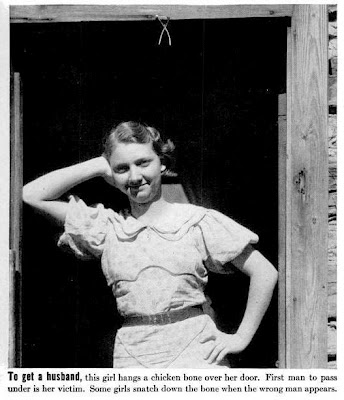
  5. We talk about using turkey bones in the Ozarks as a sexual magnet. You can find a picture about it here, and lots about it in Ozark Magic & Folklore, by Vance Randolph.
  6. The Crowley quote about masturbation comes from his book Magick.
  7. Cory mentions he’s been watching the occult series called Salem on WGN, and that our previous guest Papa Toad Bone may have a role on it at some point.

Keep watching for information on the next Pagan Podkin Supermoot, hosted by Fire Lyte in Chicago (in conjunction with the Pagan Pride Day up there).

If you have feedback you’d like to share, email us or leave a comment. We’d love to hear from you!

Don’t forget to follow us at Twitter! And check out our Facebook page!

Promos & Music
Title music:  “Homebound,” by Jag, from Cypress Grove Blues.  From Magnatune. Alternate title music was “Love Warrior,” from FOB, and can be found on MusicAlley.com.

Promos:
1)      The Crooked Path Podcast
2)      Lakefront Pagan Voice
3)      Down at the Crossroads

Blog Post 187 – Magical Hats

Cowboy hats for sale in Austin, TX (photo by Nika Vee, via Wikimedia Commons)

There’s a line from the classic (well, sort of) movie Smokey & the Bandit in which Burt Reynolds’s character explains to his lady of the film that he only takes his hat off for one thing, to which his female companion (Sally Field), of course, replies: ‘Take off your hat.’

Costume is frequently a reflection of ceremonial, ritual, or even magical operation, an outer manifestation of inner desire or power. A nun’s habit or a burqa can both represent a commitment to religious life, and inspire reactions from those around them. The ceremonial robes of a Thelemic magician frequently conform to specific standards to enhance invocations and rituals. The Encyclopedia of American Folklore notes:

Folklorists who discuss adornment have concentrated on costume’s socializing force and its relationship to the maintenance of individual and group identities. According to Don Yoder (1972), folk costume expresses identity in a symbolic way; functioning as an outward “badge” of community identity and expressing an individual’s manifold relationships to and within that community (Brunvand 341).

One of the items frequently associated with magicians is the magic hat—whether it’s the shiny tophat of a stage magician concealing a rabbit in its depths or the pointy, star-spangled adornment of a fantasy wizard. In American lore the hat has a special place as a magical item, frequently providing either symbolic guidance, otherworldly taboo, or a method of deployment in spell-casting.

When people think of American hats, possibly the most iconic is the cowboy’s ten-gallon hat (which, of course, does not hold ten gallons, but the galon hatband worn by Southwestern vaqueros). I remember teaching overseas and asking about impressions of America, and the most common response was that we tend to wear cowboy hats and smile a lot.

The cowboy hat—as well as a number of other elements of ‘rugged’ American folk costume—was borrowed from other cultures:

Many specifically American types of costume emerged from the interaction of diverse costume traditions in dialogue with indigenous materials and environments. Recognizable forms in Western regional costume, for example, are creolized forms resulting from the interaction of different traditions of dress. The costume of mountain men who charted new Western territory—fringed buckskin coats, breeches and shirts, fur “coonskin” hats, and thick, colorful blanket jackets—was an adaptation of Native American costume forms suitable for native environments and constructed with indigenous materials. The occupational costume of the American cowboy was also the result of the interaction of various cultural forms in dialogue with the demands of occupation and environment. Many of the recognizable elements of the classic American cowboy costume, such as spurs, hat, boots, and chaps, were the result of cultural exchanges between working Anglo and Mexican cowboys, known as vaqueros. Vaqueros were known by their wide-brimmed hats, short jackets, colorful neckerchiefs, red sashes, elaborate spurs, and protective leather leggings (Brunvand 343)

Given the emblematic nature of the Stetson and its kin and the frequently superstitious nature of life in the Old West, it is hardly surprising that lore has arisen surrounding this headgear. Probably the most common belief surrounding the cowboy hat has to do with what to do when you’re not wearing it. There seems to be an absolute taboo on placing a hat on the bed, which appears in everything from Southwestern rodeo lore to Oregon folk belief.

In both the American South and West, a particular custom of hat-burning following the birth of the first baby (or sometimes only the firstborn son) of a miner prevails. From Vance Randolph’s Ozark Magic & Folklore comes the following account:

In some clans, when a baby boy is born, a sister of the babe’s father comes to the house, looks at the child, and then burns the first hat she finds. No matter whose it is, nor how valuable, she just picks up a hat and throws it into the fireplace. Many people laugh at this and pretend to take it lightly, but it is never omitted in certain families. I know of one case where there was some doubt about the child’s paternity, and the husband’s family were by no means friendly to the young mother, but despite all this one of the sisters came and burned the hat; she did it silently and grudgingly and most ungraciously, but she did it. This practice is never discussed with outsiders, but it is sufficiently known that a series of funny stories has grownup about hats being burned by mistake, strangers’ hats missing, doctors leaving their hats at home, and so on (Randolph 205)

This practice was also found in California by folklorist Wayland Hand, where “[o]n occasion of a miner’s first trip to the mine after the arrival of the firstborn, his comrades simply seize his hat and burn it despite any resistance or protests offered” (Hand 52). This act functions both as an initiatory rite and as a method of preventing bad luck for the child. Hand also notes that the baby was usually made to touch the hat if possible prior to its cremation. A soldier’s hat could also be worn by a woman in labor to give her strength during the birth, furthering the link between children and hats.

A number of traditions from African American folklore have been attached to hats. In most cases, headgear serves as a method for the transference of contagious magic, sometimes almost in a medical sense: “if one borrows a hat from a diseased person, and the wearer sweats round the forehead where the hat rests, he will take the disease” (Steiner 267). Harry Hyatt recorded a string of beliefs among African Americans surrounding hat lore:

9750. If a girl puts a man’s hat on her head, she desires him to kiss her; if a man puts his hat on a girl’s head, he desires to kiss her.
9751. A girl should never put a man’s hat on her head; it will cause quarrels with him.
9752. The girl who tries on a man’s hat will not get him for a husband.
9753. If a woman throws her hat and gloves on a man’s bed, she wants to sleep with him; if a man throws his hat on a woman’s bed, he wants to sleep with her.
9754. A girl can strengthen a sweetheart’s love by laying his hat on her bed when he comes to see her.
9755. The significance of a beau refusing to hand his hat to his girl when he calls on her is love growing cold. 9756. A girl stepping on a man’s hat will soon marry the owner.
9757. “The girls did this when I was young: in the spring stamp with your thumb in the palm of your hand the first twenty-seven straw hats you see and you will meet your beau.”
9758. If a girl takes the bow out of the hat of each man liked, she will marry the owner of the seventh hat.
9759. Let a girl take as many bows as possible from the hats of men liked and wear them on her garter; the bow staying on longest will reveal who among these men loves her best (Hyatt 231)

Clearly some of these are contradictory, as in the piece about one gender wearing the other’s hat breeding either contempt or desire. There does seem to be a very strong connection between hats and sexuality, however, perhaps because the hat sits so close to the brain and retains the warmth of the head, it may be seen to cause ‘feverish’ behavior, such as love, lust, or even fighting. The divinatory rites surrounding hats are also interesting, although I suspect these performances have less to do with any direct effect upon the mind and more to do with other counting rituals related to love forecasting. Several tricks in the practice of old-style hoodoo involve acquiring the band from a man’s chapeau and using it to deploy any number of tricks, mostly designed to influence him in love (or occasionally business).

A bit of lore from the Southern mountains tells about how a person can reverse bad luck caused by unfortunate omens (in particular a fearsome rabbit crossing one’s path): [If a] Rabbit runs cross yur path, turn yur hat ‘roun’. (Wear your hat with the back part in front.)” (Duncan 236). This is not much different from the idea of turning around if a black cat crosses one’s path or even turning a key or coin over in one’s pocket after seeing an unlucky sign. In an era when hats are frequently worn backward (if worn at all), this sort of act is probably much less out of place today than it would have been half a century or so ago.

Hats, then, can be deeply magical objects to those that wear them. It’s hardly surprising that Lyle Lovett sings of his size-7 Stetson, “Well if it’s her you want, I don’t care about that/ You can have my girl, but don’t touch my hat.”

So what about you? Do you have any hat-related lore? What kinds of hats hold particular magic for you? The pointy costume ‘witch’ hat? A trucker’s cap owned by a favorite grandfather? I’d love to hear what makes your hat special and whether you ever ascribe anything magical to it.

Thanks for reading!

-Cory

Quick Update – NOLA Swag Contest!

Hi all!

If you’ve listened to the latest episode, you know we’re having another big contest right now. We had such generous sponsors this year we were able to put together a few extra swag bags for fan giveaways, so you have the opportunity to win one of these stuffed full of magical goodies!

kathleen_swag_bag_2013What’s in the bag, you ask? Well, specific contents will vary a bit (due to the personalized nature of the sponsor items in some cases), but I can tell you about our fantastic sponsors and what they sent along to give you a good idea what would be in there:

  • Javamancy KitCarnavalia/The Mystic Dream  – Chas Bogan and Storm Faerywolf created a fun and clever play on geomantic divination with a Victorian flair.
  • Three Venezuelan Powers Holy Card SetsCamino de Yara– The lovely Carolina Gonzalez shares a beautiful bit of South American folk magic with us.
  • Stay with ME Bath The Curio & Candle Shop  – Ms. Melanie made these simply beautiful (and wonderfully scented) magical herbal baths.
  • Lucky Green Rice SachetsDraconis Arcanum  – Rebecca sends you luck and good fortune, and invites you to share the promo code attached to her samples with your listeners (and use it yourself if you like!)
  • Handcrafted Conjure Condition OilsCandlesmoke Chapel– The Magnusons (Sara & Joseph) are sharing some of their incredible and all-natural hoodoo oils.
  • 2014 Witches’ CompanionLlewellyn Publications – This almanac/annual magical compendium has oodles of lunar dates, spells, and articles.
  • Horsetamer CD – Julia Ecklar & Prometheus Music  – This lovely CD crosses Pagan, folk, and pop genres. Music can be used in podcasts, and especially recommended are tracks “With the Trees” & “The Troll King’s Dream.”
  • Traditions Download Card – Kellianna – A beautiful new record with an old soul! Feel free to listen and use the songs from this excellent album in your shows. Features many fabulous duets, including Wendy Rule, and a number of great old songs with Kellianna’s gorgeous vocal updates.
  • EnchantmentPendraig Publishing– Peter Paddon (in attendance with us this year) sent his latest excellent book, all about the use of physical movement and beguiling in witchcraft. I bet he’d even sign it for you if you ask him.
  • Banshees, Werewolves, Vampires, & Other Creatures of the NightRed Wheel/Weiser Books– Weiser supplied this Varla Ventura title all about the beasties of darkness which is sure to keep you up late at night!
  • The Candle & the CrossroadsRed Wheel/Weiser Books– Weiser also supplied this energetic look at Southern folk magic written by Orion Foxwood (who is one of the teachers at the Folk Magic Festival this year).
  • Fifty-four Devils Cartomancy Kit New World Witchery – Cory & Laine give you his book on cartomancy, a fun deck of playing cards to try it out, and Laine’s hand-made card pouches to keep your fortune-telling deck safe!
  • Witches & Pagans Magazine  – BBI Media  – Anne Newkirk Niven & her team at BBI are providing us with the premier magazine in Paganism today.
  • Herbal Healing Salve – Rue & Hyssop/Three Brooms & a Cat  – Jen sadly couldn’t make it this year due to last-minute problems, but sent along these gorgeous hand-made herbal salves in her place.
  • Magical Miscellany Oil & IncenseMagical Miscellany– The lovely Velma Nightshade (also in attendance this year) has provided us with a sampling of her magical wares from her newly launched business venture, Magical Miscellany.
  • Coconut Oil & Obsidian – Kathleen Borealis/Borealis Meditations – Raw coconut oil and hand-selected obsidian chips from our brilliant globe-trotter, Kathleen!
  • Mini-Altar Kits/Dowsing Rods – Franchesca/VampRaven’s Nest– These super-cute little boxes contain a complete miniature altar set with candles, matches, incense, etc., plus a second box with little custom-made dowsing rods!
  • Scarlet’s Deck – Scarlet’s Treasures/Lakefront Pagan Voice– Scarlet surprised us with copies of her own very special and highly limited-edition tarot deck! These aren’t available for purchase anywhere, so only a few people, including us lucky podkin, have a copy!
  • And let’s also do our best to say thanks to Anna, owner of Erzulie’s Voodoo in New Orleans, who hosted us for our event (even if we were our own meet-and-greet, it was still nice of her to let us have the space for a couple hours).

A pretty fabulous haul, eh? There’s definitely at least $100 worth of stuff inside, but really the money side of it doesn’t begin to cover the quality, thought, and love in these items.

So now that you’re eagerly clawing at your scroll button, eyes big as saucers as you see all these amazing things that *you* can win, how do you go about getting your name in the hat?

Official Rules

  1. Purchase something, anything really, from one of the sponsors (preferably from one other than us, and preferably your purchase would have come after November 1st, but we’re not going to be incredibly rigid on those points). You could buy a wanga doll from Erzulie’s, or a copy of one of Peter Paddon’s books from Amazon, or pick up a copy of Witches & Pagans at your local bookstore…pretty much anything you want to buy. It can be for you, it can be a holiday gift, it doesn’t matter. Really we just want you to support our sponsors! [Edit: Dutiful listener Jasmine noted that requiring a purchase could land us in hot legal water. While the spirit of the contest is to encourage business with our sponsors, we will, of course, allow entries from folks who cannot purchase a product. No purchase necessary, simply email us and state you’d like to enter the contest and we’ll put your name in the hat.)
  2. Once you’ve purchased your item, take a photo of you with your purchase (or a copy of the receipt, or a screengrab of your digital receipt, etc.). Send that picture and a brief message asking to enter the contest and saying what you bought to compassandkey@gmail.com (or tweet it to us @NWWitchery).
  3. EVERY item you purchase gets you a new entry (as long as you send us a picture & message), so enter as much as you like!
  4. Contest ends at midnight, Central Time, on Friday, January 17th, 2014! Get us your picture(s) before then!
  5. We will draw three names at random from all the entries, and each of those three names will win a swag bag!
  6. Due to some of the items in this bag and potential international restrictions (as well as international shipping costs), this contest will only be open to listeners in North America. Sorry! 😦
  7. Winners will be announced in the late January show (our 4th pod-iversary!).

Not too complicated, I hope! If you happen to let the sponsors know you found them through New World Witchery, we’d love that, too!

So that’s the basics of this contest. We’ll keep some reminders going throughout the next month and a half, but entering early and often can’t hurt! We’ll also have a few other small contests running between now and then for books and extra swag items, and most of that will happen via Twitter and Facebook, so make sure you’re watching us at those places, too.

Good luck everyone! And thanks for reading!

-Cory

Podcast 57 – New Orleans

Summary:

In this extended episode, we revisit our recent trip to the magical city of New Orleans. We’ll discuss the most recent Pagan Podkin Super Moot, places to see in the Crescent City, and hear some music, travelogues, and even a tea leaf reading or two!

Play:
Download: New World Witchery – Episode 57

 -Sources-

Places Mentioned:

  1. Big thanks and mention to Erzulie’s, which hosted the event!
  2. Yo Mama’s Bar & Grill
  3. Cafe Du Monde (delicious beignets & chicory coffee)
  4. The Gumbo Shop
  5. Chartres House
  6. Bottom of the Cup Tea Room (where we got our leaves read!)
  7. New Orleans Historic Voodoo Museum

Tours & Events:

  1. French Quarter Phantoms (great walking tour with ghost stories & absinthe tasting)
  2. Tours BaYou (awesome downloadable driving tour of the Garden District)
  3. Folk Magic Festival

Pop Culture:

  1. American Horror Story: Coven – Made Laine watch her first episode in NOLA!
  2. Jitterbug Perfume, by Tom Robbins – Cory bought his wife some perfume from Bourbon French Parfum because of its connection to this book.

CONTEST!
We announced a new contest in this episode! Details are coming in a separate post, but the basic rules are: 1) Buy something, anything, from one of the sponsors in the list below; 2) Take a picture with that item (or a a picture/screengrab of the receipt); 3) Send your picture to compassandkey@gmail.com and let us know to enter you in the contest. You could win one of three fully-stuffed PPSM Swag Bags, full of items from these great sponsors!

PPSM Sponsors! (We love them!!!)
(We’ll be posting more on these items in other places, but here’s a short list of the swag items and sponsors)

If you have feedback you’d like to share, email us or leave a comment. We’d love to hear from you!

Don’t forget to follow us at Twitter! And check out our Facebook page!

 Promos & Music
Title music:  “Homebound,” by Jag, from Cypress Grove Blues.  From Magnatune.

Song List:

  1. When the Saints Go Marching In,” by Wingy Malone (from Archive.org)
  2. Joshua Fit the Battle of Jericho,” by the Delta Choral Union (from Archive.org)
  3. Iko Iko,” by the Grateful Dead (from Archive.org)
  4. New Orleans Stomp,” by Louis Armstrong (from Archive.org)

New Orleans Recollections from:

  1. The Texan Heretics
  2. Scarlet at Lakefront Pagan Voice
  3. Kathleen at Borealis Meditation

Blog Post 183 –Lost in the Supermarket (Part II)

Last time, I looked at a few of the standard products found in a typical supermarket which could be easily used within a folk magical context. I’m continuing that theme today, and while I’ll still be doing my best to stay out of the ubiquitous enchanted spice aisle, I will be touching on a few ingestibles. Please note, however, that as I frequently say: THIS IS NOT A MEDICAL BLOG, AND NO INFORMATION PRESENTED HERE SHOULD BE TAKEN AS MEDICAL OR LEGAL ADVICE. Before you start popping things into your mouth or rubbing them on your skin, you should make sure with your doctor that doing so will not lead to genetic mutation, pestilence, plague, or ennui of any kind.

supermarket_herbs_spices

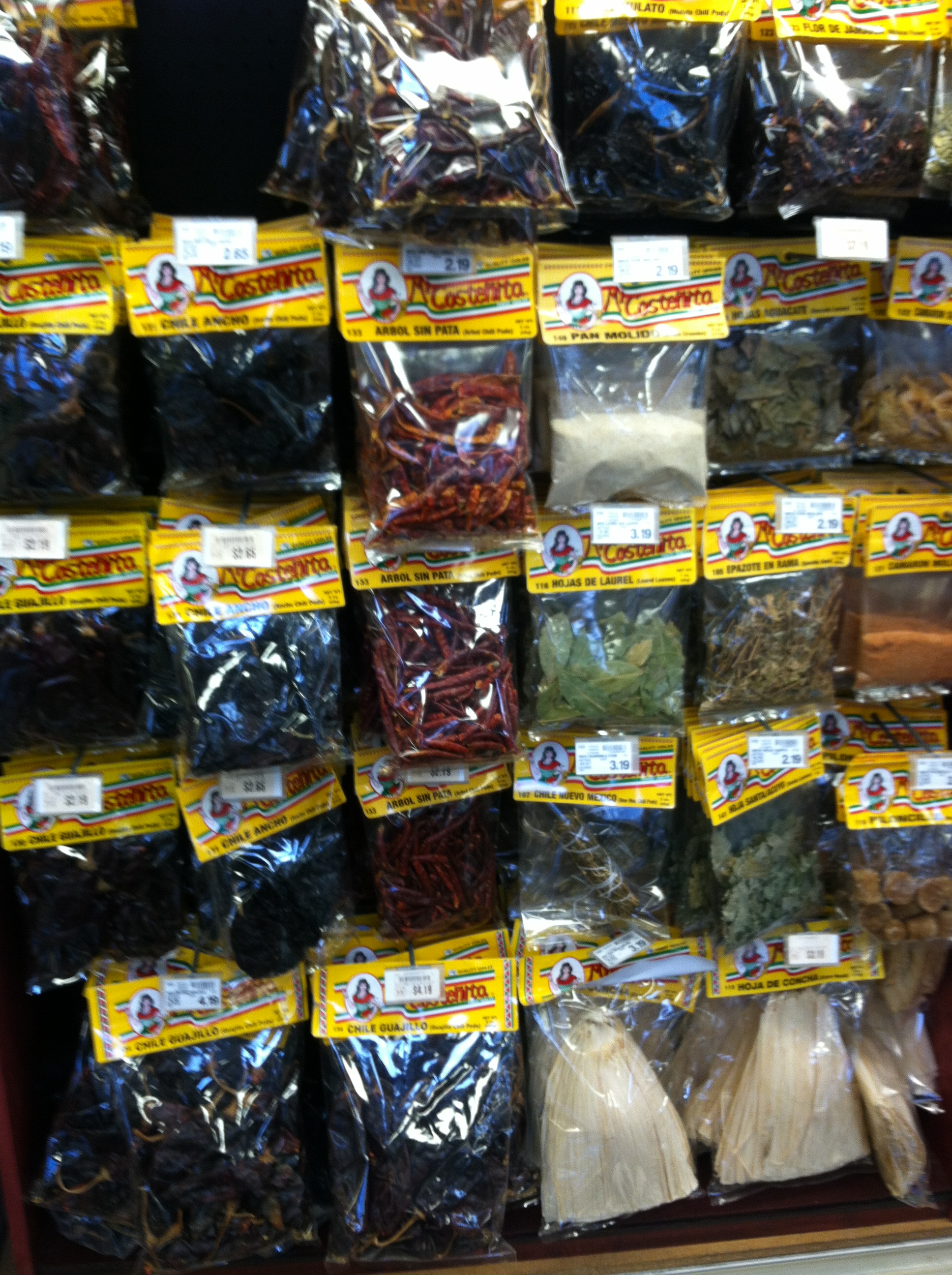
I’m going to start in what my part of the country likes to think of as the “ethnic foods” section, which generally speaking involves a portion of the produce area and an aisle with Asian, Hispanic, and perhaps Italian meal ingredients. It’s where I found the candles I showed in the previous post, but in most of the grocery stores around here, despite the obviously oblivious marginalization that comes with a label like “ethnic” or “international” cuisine, the diversity of the consumer population has made a lot of once-rare items much easier to find. The section of these stores directed at Hispanic consumers provides a number of tools for folk magic that fall under the practices of curanderismo and/or brujeria. I’ve covered supermarket staples like eggs already, so today I thought I’d look at three somewhat more distinctive items: corn husks, hot peppers, and coconuts.

Corn Husks

The papery, stiff-but-pliant corn husk is absolutely essential for making really good tamales. Usually these come in huge packs (because if you’re going to go to the trouble of making tamales, you may as well make a lot of them), and they’re often dirt cheap. In fact, in the late summer, I frequently fine freshly stripped corn husks in buckets next to the corn displays, and few grocery store managers care if you grab a sackful to take home with you for free. So what sorts of magical mischief can you get up to with all those husks?

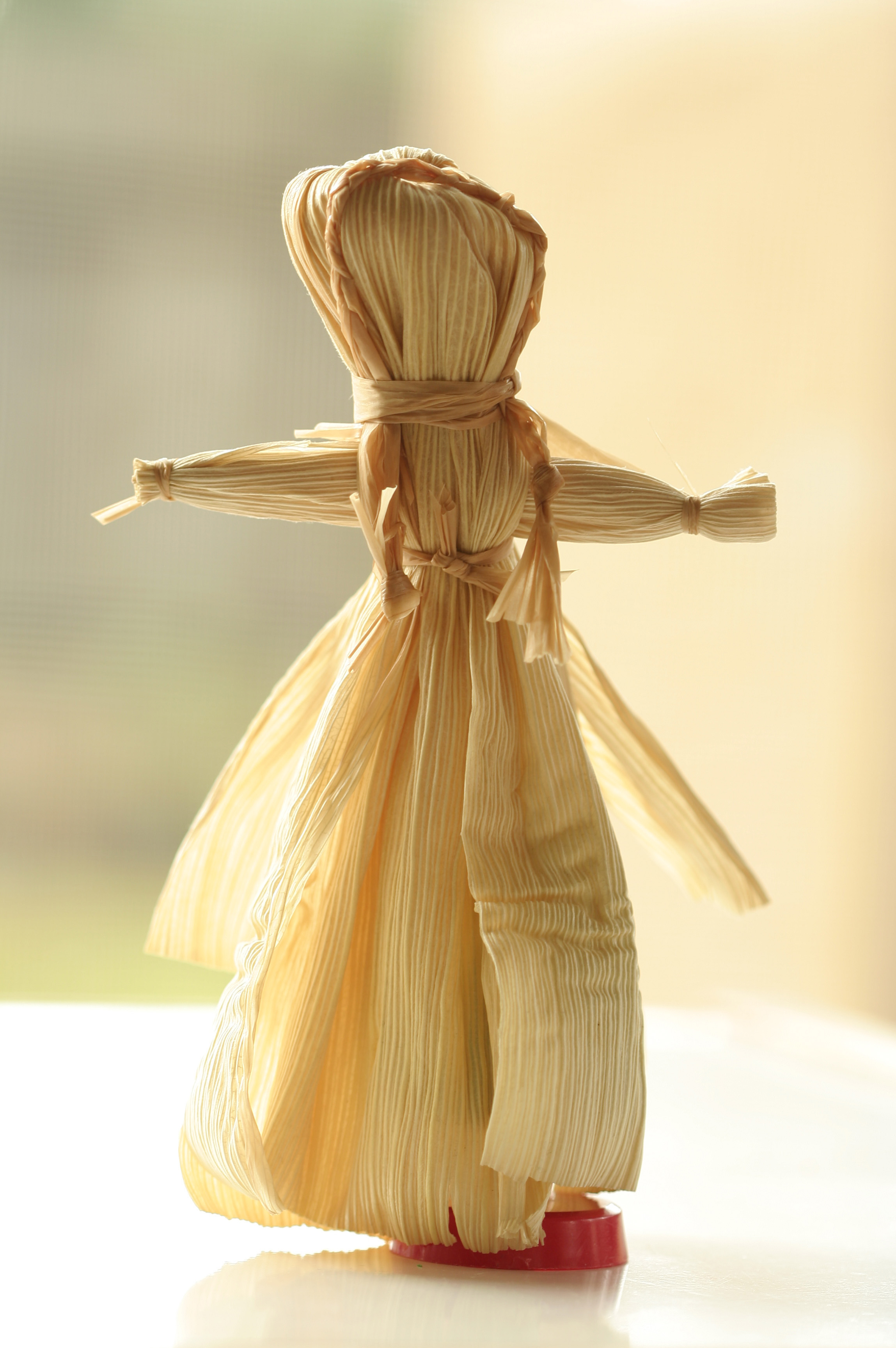
Corn dolly folk art (via Wikimedia Commons)

If you’re not making ensorcelled tamales, you might consider saving a few husks and turning them into doll babies for working various kinds of poppet magic. In some cases, the husks would be bound to the cob, along with various herbs and things like hair or clothing from the intended target to work a spell on them. Texan rootworker Starr Casas describes one such baby in The Conjure Workbook, vol. 1:

“When I was caring my daughter [sic] I was very ill. I was put on bed rest for five months. My Grandma knew this lady and asked her to come to my house and help me during the week. She treated people who were ill. I think that due to her efforts my daughter is alive today. I trusted her because my Grandma trusted her…She prayed over me every day; one day she asked if she could have some of my hair. She could have just taken the hair from my brush, at this time my hair was very long. She told me the hair needed to come from the crown of my head.

A few days later she came with this Dollie. This was the first time I had ever seen a doll like this. The body of the doll was a corn cob and the doll was covered in corn husk. When I asked her what it was for all she told me was to keep me and my baby safe. After I had my daughter the Dollie disappeared. When I asked her about the missing doll she told me the doll wasn’t needed anymore. I have never seen another Conjure doll like that one again” (Casas 246-7).

Starr’s encounter with this type of doll is not typical of conjure practice, something even she notes, but the use of doll baby magic is fairly common and corn husks make a simple, cheap, easy-to-make-and-destroy sort of doll. One reason that Starr may not have seen them since is that they are less directly associated with hoodoo and more directly associated with mountain crafts, particularly the crafts of the Appalachians. In fact, you can find wonderfully detailed instructions and step-by-step photos on constructing corn dollies in Foxfire 3, which records the folk practices of the southern Appalachians (a later compendium called The Foxfire Book of Appalachian Toys & Games also discusses the corn dolls, but doesn’t give the detail the actual anthology book does).  That’s not to say that such dolls are not found in any version of conjure—Dr. E mentions them in his article on doll making, found in The Black Folder, for example—but that they very likely drifted in from non-African sources. Their provenance matters not, though, because they are incredibly useful magical tools in any case.

Hot Peppers

Have you ever seen the sheer plethora of peppers available in a bodega? Even at the chain supermarkets, you can now find dozens of choices, ranging from fresh jalapenos and big, fat Anaheims to the huge sacks of tiny dried japones peppers and the small-but-potent habaneros. So what to do with all those peppers?

Of course, the obvious answer would be hot-foot work in hoodoo, but you can also get a little more creative than that. Using the peppers as a vessel, it takes very little effort (but a good bit of practice and caution) to slit open a habanero, stuff someone’s name inside and bind it back up. Doing that works sort of like a vinegar jar cranked up to eleven, in that it puts a lot of unpleasantness into someone’s life. Peppers don’t have to be all bad, either, as cooking them with something like chocolate creates a very different effect—a good hot cocoa with a hint of chili pepper makes an enlivening winter beverage, and a heck of an aphrodisiac! A little rum in that latter option helps, too, of course.

Speaking of rum, one of the more interesting uses for all those hot peppers in magic—and here I’m stretching the term to incorporate a certain degree of magical religion—is to soak the peppers into an alcohol like rum until it is nigh undrinkable. Why would you do that, you ask? Maya Deren explains the use of the drink during a Vodoun rite in her book, Divine Horsemen: The Living Gods of Haiti:

“As Lord of Eroticism, he [Ghede] embarrasses men with his lascivious sensual gestures; but as God of the Grave he terrifies them with the evidence of the absolutely insensate: he will not blink even when the most fiery liquid is sprayed into his eyes, and only Ghede can swallow his own drink—a crude rum steeped in twenty-one of the hottest spices known. Thus he may alternately remind men that he is their past, their present and their future, that he is master of their compulsive drive to life and the inevitability of their death” (Deren 104).

Deren also notes that anyone claiming possession by Ghede is subject to both of the tests she mentions: having the hot rum sprayed in their eyes and being told to drink it. A truly possessed devotee will have no problem doing so (and likely be able to down the entire bottle of rum and show no effects after the possession ends).

Coconuts

If you ever need to pretend to ride a horse, you will probably automatically feel the need to buy a coconut and bang the two empty halves together to simulate the sound. At least if you grew up watching a lot of Monty Python that’s probably what you’d do. The coconut is good for more than equine simulations, however, and you can use the whole fruit/nut and its liquid for several magical functions.

“Retrato de una señora principal con su negra esclava,” by Vicete Alban (via Wikimedia Commons)

Drilling holes in the coconut will allow you to do two things: firstly you can get at the precious liquid, coconut milk, inside. It’s delicious and a wonderfully refreshing drink, but if you can resist the urge to down it all in one go, save some for later. Now that you have a semi-empty coconut with holes in it, why not stuff it full of name papers, sweet things like raw turbinado sugar (also available in the Hispanic section usually) and create a natural honey-jar spell? This sort of spell will, of course, not last as long as an actual honey-jar, but it has the advantage of being very quick and due to the sympathetic magic connected to the coconut’s skull-like density and shape, it works right on the minds of the folks targeted with the spell.

Speaking of heads, if you saved that liquid, you can turn that into a powerful magical formula as well. An African-derived magical practice known alternately as “feeding the head,” or in Vodoun as a lave tet ceremony (literally “head washing”) involves using a coconut wash on the head and hair during a ritual setting in order to fill it up with good spiritual forces. The feeding usually follows a simple head washing, either with natural water (sea water, spring water, etc.) or a number of aqueous formulae found in various traditions. Then comes the feeding:

“The process of feeding the head is simplicity itself. The coconut milk or cream is scrubbed into the head, just like the head-washing compound or a shampoo. Once the compound has been worked into the head, the hair may be combed out again. However, unlike a head-washing compound, the coconut compound should be left to dry on the head—preferably, overnight. A scarf or towel may be wrapped around the person’s head to insure this…In the morning, the coconut compound may be rinsed out and the person’s hair washed with a shampoo and dried, as it would normally be” (Mickaharic, Spiritual Cleansing, 101).

The richness of the coconut milk causes the spirits which guard a person (frequently though to be connected to a person’s head in African tradition) to be refreshed and take a renewed interest in the person’s well-being. It’s sort of like bribing a guardian angel with a good pina colada, which would be another fun way to use that coconut milk if you’re so inclined.

Of course, you don’t even have to open the coconut up to use it magically. I’ve seen a house cleansing method which involves simply kicking a coconut around a new home, through every room from top to bottom and back to front. You might say a psalm as you go, or repeat the Lord’s Prayer or the Apostles’ Creed. Other traditions use other incantations, songs, or words, but the point is the same: get the coconut all over the house, kicking it as you go, letting it soak up bad vibes like a sponge. When you finish you can either pick it up in your left hand and take it to a far away tree, where you crack it open and leave it at the roots, or you can drop it into running water heading away from your home. It essentially functions as an egg cleansing for a domicile, but coconuts tend to be less messy than eggs when kicked (Mickaharic has a variant on this practice using a head of lettuce in his Spiritual Worker’s Spellbook).

There’s an entire pharmacopeia in a well-stocked bodega, with everything from aloe vera gel (and the live plants) to nopales (prickly pear cactus, sometimes used in curanderismo for treating diabetes) to chicken feet and cattle tongues (both edible, but also both used in various hoodoo spells as well) available to an informed shopper. I mention these three ingredients solely as a way to begin to see the shelves as stocked with more than marketing gimmicks and high-fructose-corn-syrup-laden beverages. While having a good local witch shop is invaluable for many reasons, the grocery store may be your best friend when it comes to simple, practical magic.

I know this article barely scratches the surface of the subject, and I highly encourage you to look at some other sources on making the most of a grocery store’s shelves for your spell work. As I said before, much of my own inspiration came from Sarah Lawless’ post on the topic and Cat Yronwode’s compilation The Black Folder, which features not only an article on grocery store magic (covering things like onions and lemons) by Cat herself, but other useful tidbits such as Norwegian bread charms (from Dr. Johannes Gardback) and an article on “kitchen witchery” by Sister Robin Petersen. Of course there are probably dozens of books on this subject, many of which I’ve sadly neglected here. Do you know of any good grocery-store spells? If so, please feel free to post them to the comments below!

I may eventually come back to this topic another time, but for now I hope this has been a useful glimpse beneath the barcodes into the magic of the market.

Thanks for reading!

-Cory