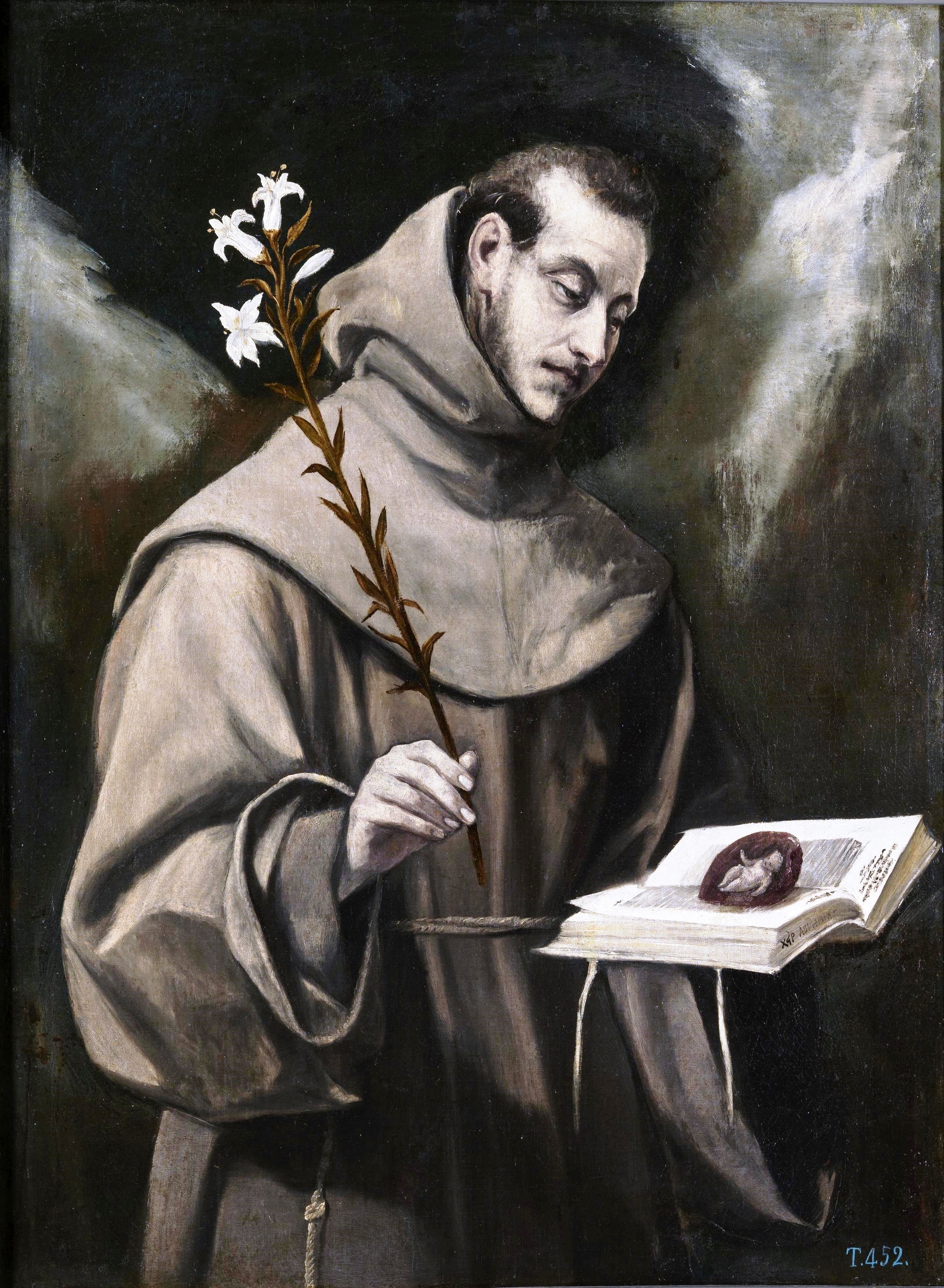
Blog Post 160 – Summer Saints, part I

Hello everyone!

Today is the feast day of St. Anthony of Padua, one of the saints for whom I maintain an altar. There are a number of saints who have feast days during the summer months, and most of them also have some sort of magical practice associated with their specific day(s) of reverence. I know not everyone reading this is disposed to work with saints, so if they’re not your cup of tea (or sacramental wine), I completely understand if you skip this post. For those of you left reading, I hope this will be an interesting glance at the “summer saints.” I tend to think of folk Catholicism as a strong magical presence in certain areas of the New World, and one that has lingered from the early days of New France and New Spain into the modern day, so maybe some of you all out there feel the same. At any rate, on to the saints!

In this particular calendar (which I’m basing primarily on the current Roman Catholic feast day assignments), I’m only including saints who have specific magical rituals or practices associated with their holy days, as otherwise the list would be quite extensive. I also include a few of the ‘folk saints,’ ones that have not gone through the process of official canonization yet. None of these are going to be particularly in-depth examinations of the saints listed or their stories (but there may be more on that front later, hint, hint), but instead I’ll focus on telling you a one-to-two sentence biography of the saint, a little about the symbols and offeratory items involved in working with those saints, and then I’ll list any relevant folk rituals, crafts, or charms associated with that saint.

Unless otherwise noted, the spells are referenced from Judika Illes’ Encyclopedia of Mystic, Saints, & Sages (Harper One, 2011).

Joan d’Arc (Joan of Arc) – May 30th
St. Joan was only officially canonized in 1920, more than 500 years after her execution as a religious heretic. Famed as a military leader, a divinely led warrior, a mystic, and a woman of tremendous influence, Joan of Arc has become a national symbol for France and a patroness for a number of people and causes. Her official saint’s day is May 30th, but she’s also celebrated as a secular French heroine on May 8th.

Patronage: prisoners, rape victims, soldiers, horses, doves
Symbols:  horses, doves, armor, swords, a military banner
Offerings: French food (especially rustic things like bread), toy horses or knights, swords, water (esp. if offering her a candle, as she was burned at the stake, so offer refreshment if using fire in her rituals)

St. Joan Home Protection Spell:
-Ingredients-
Small (“chime”) candles, in gray, white, or silver – one for each member of the household
A knife or sharp tool to inscribe the candles

  1. Name each candle for a member of your household, and carve that person’s name into the wax
  2. Petition Joan with a prayer, once for each candle
  3. Repeat for a total of nine nights

 St. Anthony of Padua – June 13th
St. Anthony is the famous “finder of lost things,” which can include lost people, lost souls, etc. He’s also a devout helper of the poor and needy, and frequently depicted warmly jostling a child Christ in his arms.

Patronage: Anyone who’s lost anything – amputees (lost limbs), orphans (lost parents), Native Americans (lost homeland), etc. Also patron of the oppressed, draftees, expectant mothers, the infertile, the elderly, spice merchants, fishermen, travel agents, shopkeepers, and (paradoxically) thieves
Symbols: lily flowers, a baby (in the arms of a monk, especially), fish, bread
Offerings: bread, olive oil, lilies, heart-shaped Milagros, charitable donations to the poor and hungry, cigars, whiskey/rum/wine, coffee

Because he’s one of my especial favorites, I’m going to share several  of the magical workings associated with St. Anthony. I’ve mentioned the famous “Tony, Tony, please come down…” lost-object finding charm before, so I’ll skip that one today, but here are three other ways to work with St. Anthony in magical practice.

  1. Judika Illes recommends a simple way to gain St. Anthony’s blessing and protection: call his name nine times aloud in succession.
  2. A cure for male impotence, from Reginald Scot’s The Discoverie of Witchcraft:

“Item, one Katharine Loe (having a husband not so readilie disposed that waie as she wished him to be) made a waxen image to the likenes of hir husbands bewitched member, and offered it up at S. Anthonies altar; so as, through the holinesse of the masse it might be sanctified, to be more couragious, and of better disposition and abilitie, &c.” (Chapter VII)

  1. Denise Alvarado gives this spell, for getting someone to return a borrowed object to you:

“If you wish something returned to you, turn an image of St. Anthony upside down by a St. Anthony candle. Carry the amulet and pray to St. Anthony until your request is granted” (Voodoo Hoodoo Spellbook 67).

 St. Vitus – June 15th
The patron saint of Prague (and thus one for whom I have a fondness), St. Vitus is most famous for his association with a very strange disease known as St. Vitus Dance, which caused its victims to jitter and jive and generally look like they were dancing until they literally died from it. Explanations of this disease vary, with everything from ergot poisoning (that old standby of witchcraft accusations) to religious ecstasy getting the blame, but whatever the case, St. Vitus is firmly associated with this peculiar phenomenon, now known as chorea.

Patronage: actors, theater folk, dancers (of course), comedians, vagabonds, vaudevillians, brewers, tinkers, coppersmiths, travelers (and to some extend Gypsies because of this association), vintners, pharmacists, roosters, mushroom growers, epileptics (whose affliction is sometimes called St. Vitus Dance in folk medicine)
Symbols: a palm branch, a cauldron (ahem), a rooster, dogs, lions, in some circles the fly agaric mushroom is associated with him
Offerings: dancing, donations to animal shelters (he loved dogs, apparently), candles, incense, Czech glass decorations

To Gain a Year of Good Health

  1. Find a statue or church of St. Vitus (very easy if you live in Prague)
  2. Dance before it on June 15th, preferably for an entire night
  3. Finish by falling at the foot of the statue or at the door of the church, asking for the blessing of St. Vitus

Judika Illes also mentions that you can perform a form of curse by pointing at someone and saying “Let St. Vitus take you!” in order to afflict them with his strange dancing disease.

St. Lazarus – June 21st
Frequently confused with the biblical Lazarus raised from the dead by Jesus in the Gospel of John, this Lazarus is often depicted as a decrepit old man leaning on a crutch and being followed by a faithful dog (or two). He’s a leper who receives a miraculous healing in a Christian parable, and who is frequently syncretized to the Vodoun lwa of Babalu Aye (and sometimes with Papa Legba). He’s now strongly associated with helping victims of HIV and AIDS.

Patronage: sufferers of long-term illness, especially diseases like leprosy, AIDS, smallpox, etc. He guards dogs as well, and is frequently venerated as a patron of Cuba.
Symbols: a walking stick or crutch, beggar, dogs, the Hermit tarot card
Offerings: Milagros shaped like an afflicted body part, candles, water, offerings to the poor or homeless, popcorn. Do not give him wine (according to Illes: “if it spills, it hurts his sores” (428)).

For Healing of Chronic Affliction
-Ingredients-
Milagro or symbol of afflicted part
St. Lazarus candle or a new crutch/cane
A little dry dog food

  1. Take a symbol of the afflicted body part (like a milagro, or a cookie baked into the appropriate shape) to a crossroads, especially on the evening of June 21st
  2. Place the symbol, the candle (lit if you can, but DO NOT leave a burning candle unattended in a place where it could start a fire or be a road hazard), and/or the crutch all as close to the center of the crossroad as possible without it being dangerous to oncoming traffic
  3. Leave the offering at a crossroads, praying and asking St. Lazarus to come by and “pick up” your affliction to take with him
  4. Put a little dog food out for his dogs to boost his favorability toward you
  5. Return home without looking back

That takes us up through late June, and there are still a lot of days and workings to cover! You may have noticed I stopped just shy of one of the big days in New Orleans Voodoo celebrations, St. John’s Eve, which I hope to pick up in the next post. Then I’m hoping to do the saints remaning in June, July, and August, but of course the best laid plans of mice and men…

Speaking of, I’m reading Of Mice and Men (again) as one of the approximatel 20 books I’ve been assigned for my six-week summer graduate seminar, which I’ve just begun. So please do bear with me if I suddenly become a hermit and say nothing on Twitter or the blog or the podcast for a few weeks—I still exist, and will resurface once my eyeballs stop throbbing from all the reading. I will be trying to get occasional posts up, too, so do stay tuned.

Thanks for reading!
-Cory

Podcast 38 – Yuletide Cheer! 2011

-SHOWNOTES FOR EPISODE 38

Summary
This is our annual holiday special, featuring music, poetry, stories, and recipes! Here’s wishing you all the best for your holiday season and a happy new year to come!

Play:
Download: New World Witchery – Episode 38

-Sources-
Stories & Poetry:
A Baker’s Dozen,” by Charles M. Skinner
Minstrels,” by William Wordsworth
Mistletoe,” by Walter de la Mare
When the Snow is on the Ground,” by Mother Goose
Old Santeclaus,” by Clement Clark Moore
A Florida Christmas Folktale,” by S.E. Schlosser
Ceremonies for Christmas,” by Robert Herrick
Noel,” by Anne Porter

Recipes:
Wassail, from Laine
Jode Kayer (Jewish Cookies), from Cory’s family cookbook
Danish Vanilla Rings, from Cory’s family cookbook

Don’t forget to follow us at Twitter!

Promos & Music
All songs used with permission/license, from Magnatune and MusicAlley, except as noted.

Playlist:
1. Down in Yon Forest – Lydia McCauley
2. In the Bleak Midwinter – Fugli
3. O Holy Night – The New Autonomous Folksingers
4. O Come, O Come Emmanuel – Cat Jonkhe (sp?)
5. Round About our Coal Fire – Shira Kammen
6. Ma Navu – Kitka
7. Schedrick (Ukranian Bell Carol) – Kitka
8. We Three Kings – Jennifer Avalon
9. The Wassail Song (Yorkshire Wassail) – Jim Goodrich
10. Somerset Wassail – Pagan Carolers
11. Apple Tree Wassail – Shira Kammen
12. Bring Us in Good Ale – Lydia McCauley
13. Hark the Herald Angels Sing – Mano Reza
14. Jolly Old St. Nicholas – Selena Matthews
15. The Friendly Beasts – Gary
16. Patapan – Fugli
17. God Rest Ye Merry Gentlemen – Chances End
18. Fum Fum Fum – Fugli
19. Cutty Wren – Shira Kammen
20. Silent Night/Stille Nacht – Karmyn Tyler
21. Da Day Dawn – Samantha Gillogly*

Underscoring music is “We Three Kings,” by Two Harps, from MusicAlley.
*Used by permission of the artist.

Blog Post 112 – 5…4…3…2… (New Year’s Traditions)

With one set of holidays just behind us, we still have a little more celebration left before the deep, dark, quiet winter sets in.  Today, I’ll be sharing some of the New Year’s traditions from North America (and to some extent, from around the world).  New Year’s has a lot of obvious components: a sense of rebirth, optimism, setting goals for improvement, and even a little romance.  Let’s look at some of the big traditions associated with this glittering and festive affair.

1)      Fireworks – These are a common component of New Year’s festivals worldwide, including the Chinese New Year which occurs later in the winter.  Aside from being a celebratory demonstration of light and wonder, the noise and fire from these explosives may serve to frighten away any lingering demons or bad spirits.  And, of course, they help keep everyone awake until the crucial midnight hour.  This also ties into other noise-making activities on New Year’s Eve, such as singing, banging cymbals, and other loud demonstrations of the party spirit.

In the Appalachians, this sometimes mixed with the mumming traditions of the Christmas season and became something known as a Shanghai Parade.  Gerald Milnes describes the practice in his book, Signs, Cures, & Witchery:

“The shanghai tradition once included music played on violins, flutes, horns, and drums in the Valley [of Greenbriar Co., West Virginia].  There is even a fiddle tune called ‘Shanghai’ that is known in West Virginia and may be connected to the shanghai ritual…people also cross-dress and put on exotic, mostly homemade costumes.  Reversal is a theme, and they generally whoop it up in the spirit of old midwinger revelry” (p. 192)

Jack Santino also describes similar uses of noise-makers, including guns, in his All Around the Year:  “In Hawaii, the custom involves the traditional beliefs of the native Hawaiians, who say that the fireworks scare off demons.  In Ohio, they are used as noisemakers, often instead of a gun, since ‘shooting in the New Year’ is the tradition” (p. 13).

2)      Kissing at Midnight – This tradition is related to others more regionally or culturally specific (such as “First Footing,” discussed below), but has become a broader practice among Occidental celebrants of the New Year.  The Snopes.com page on New Year’s superstitions has this to say on the subject:

“We kiss those dearest to us at midnight not only to share a moment of celebration with our favorite people, but also to ensure those affections and ties will continue throughout the next twelve months. To fail to smooch our significant others at the stroke of twelve would be to set the stage for a year of coldness.”

The idea of setting the stage for the coming year based on what one does on New Year’s Day ties into a lot of the other superstitions and customs related to this holiday.  With kissing, the idea seems to be that if you start the New Year off with someone you love, or at least by kissing someone attractive, you will invite positive romance into your life over the coming year.

3)       First Footing – To those of Scottish extraction, this is probably a very familiar practice.  The Scottish New Year is called Hogmany, and involves several key rituals, including house-cleaning, preparing traditional meals (see “New Year’s Food” below), and First Footing.  Sarah at Forest Grove has written an excellent entry on the Hogmany traditions, and describes First Footing thusly:

“First footing is a divinatory folk tradition where the first person who sets foot in your house in the wee hours of the New Year determines the luck and happenings of the year ahead. A man is preferred over a woman, and a man of dark hair and eye over a man of light hair and blue or green eyes. Redheads are especially unlucky to be the first to set foot across your threshold in some areas of Scotland.”

In some cases this practice requires that the first-footer be not of the household.  We received several pieces of lore in our Winter Lore Contest related to the New Year, including a bit about First Footing from listener/reader Akia: “Some of her [grandmother’s} holiday superstitions included: not letting anyone out of the house or enter until an unrelated male came into the house on New Years Day.”

4)      New Year’s Food – There are a lot of traditions about just what to eat on New Year’s Day.  Some of the most common components of a New Year’s meal are:

      • Black-Eyed Peas
      • Cabbage
      • Collard Greens
      • Ham or Pork
      • Lentils
      • Whiskey (or good, strong booze in general)
      • Potato Pancakes

Most of the foods associated with the New Year are related to prosperity and wealth in some way.  For instance, lentils and potato pancakes are shaped like coins.  Black-eyed peas have fertility and abundance going for them.  Cabbage and collards look like wads of bills waiting to be spent, etc.  Some folks recommend the addition of non-edible components to the meal, such as coins for prosperity.  Patrick W. Gainer says, “It will bring good luck if on New year’s Day you cook cabbage and black-eyed peas together and put a dime in them” (p.123).   Listener and podcaster Aria Nightengale shared her New Year’s food lore during our recent contest, saying, “[W]e always eat pork and cabbage on new year’s day.  According to my Momaw, we eat pork because pigs eat moving forward not backwards, so pork will help you move forward through the new year.  I don’t know the specific purpose of the cabbage…but Momaw cooks it with a silver dollar in it for prosperity.”

There’s a distinctly Southern dish called Hoppin’ John made from black-eyed peas, onions, and ham which can usually be found simmering away on most stovetops during the New Year.  It’s so important to our traditions that many restaurants also offer some version of it on New Year’s Day.  My wife and I have a tradition of going to one specific restaurant every year where we can get good potato pancakes and hoppin’ john to help bring in the New Year with a couple of our friends.  It makes for a nice way to spend the day, and ensures that we get our black-eyed pea requirement taken care of.

There are still many more traditions we could discuss (and I hope to!), such as cleaning practices, taboos, whether or not to give gifts, etc.  But for now, I hope this has been a nice introduction to the wonderfully lore-rich practices of New Year’s celebration.  Here’s wishing you a great day, and a great ending to the year!

All the best, and thanks for reading,

-Cory

Blog Post 109 – Holidays in the Mountains

Hi there, everyone!

Today, I’m going to be sharing a little bit of holiday lore from the mountains, both the Ozarks and the Appalachians (to those readers wondering when I’ll start including the Rockies, I promise I’ll get there one day!  I’m just woefully ignorant of the traditions from that area).  There are a number of pieces of folklore associated with the winter holidays in the mountains.  Often, storytelling and family visits were the primary entertainment in the financially poor but folklore-and-culturally-rich mountains once the cold weather set in.  Christmas was not always celebrated, especially during the early years of settling, largely because many Protestants settling in the Appalachians viewed the holiday with suspicion and regarded it as a Catholic celebration.  One source records that the penalty for observing Christmas during the Puritan era was a “fine of five shillings” (WG&S, p.28).  Over time, however, as more people of mixed backgrounds settled the area, Christmas became a social holiday.  Patrick Gainer records that holidays in the mountains included:

  • Fireworks and noisemaking
  • Very little decorating prior to the widespread introduction of electricity (most homes didn’t have a Christmas tree)
  • School Christmas parties
  • Costumed visits to friends and neighbors (called “Belsnickling”—more on that in a minute)
  • Toys for children, though almost entirely homemade ones

Belsnickling

The tradition of Belsnickling is particularly interesting.  It seems to be a mumming tradition in the vein of similar British activities, but is really practiced by only the Germanic settlers in the Appalachians.  It relates to the Belsnickle (whose name may come from pelz Nicholas, or “furry Nick”), a devilish traveling companion to good St. Nick during his holiday visits who would punish the wicked children in the same way that the saint rewarded the good ones.  In some variations, it was not St. Nick who traveled with Belsnickle, but Kriss Kringle (likely a derivation from the Germanic kriskindl, or “Christ-child”).   Gerald Milnes describes the practice thusly:

“To people in the Potomac Highlands, belsnickling is the action of going from house to house in masquerade, with residents guessing the belsnicklers’ identities…Sometimes treats were offered to the belsnicklers, and sometimes belsnicklers offered treats to the household” (SC&W, p.186)

Milnes also offers a variety of pranks and tricks related to this practice:

  • Candy would be thrown on the floor, and when children dove for it, they would have their fingers switched by the belsnicklers
  • Bands of belsnicklers would wander through the countryside hooting and yelling all through the night
  • People in costume would tap on the windows of houses and scare the children inside
  • Firecrackers would be lit and thrown into people’s homes

He also relates this practice back to something deeply witchy—the Wild Hunt:

“Belsnickling and similar activities, as group practices, have obscure beginnings, but they may well go back to the old Teutonic concept of the wild hunt.  In Scandinavian and German versions of this myth, a huntsman with dogs, accompanied by spirits, hunts the wild woman.  In some versions, the huntsman, a lost soul, leads a band of wild spirits to overrun farms at Christmas time (the winter solstice)” (SC&W, p. 186).

Christmas Dinner in the Mountains

Of course, no Christmas would be complete without a feast in modern minds, but the table offerings were not quite the same for every family.  Often, up in the mountains in the early-to-midwinter, the meal would consist on the wild meat that was available rather than anything domestically raised.  In Foxfire 12, informant John Huron describes a most particular holiday meal:

“Groundhogs aren’t bad eatin’ either if you cook them right…baked and layered with onions and sweet potatoes.  That was what Charlie’s daughter, Margaret, would fix him for Christmas dinner every year.  They invited me and my wife, Sandy, and my son, Jay, over for Christmas dinner one time, and that’s what we had.  A groundhog is a lot cleaner animal than a chicken.  When you get right down to it, a chicken is a nasty critter” (FF12, p.248)

Signs and Omens on Christmas

There are a number of superstitions which have sprung up around the holiday season, too.  Often, weather and luck are intimately tied to Christmas, though sometimes the date shifts a little between December 25th (“New” Christmas) and January 6th (“Old” Christmas).  Some of the signs and omens from the Appalachians and Ozarks include:

  • It will be a fruitful year if the eaves of the house drip on Christmas (SC&W)
  • Children born on Christmas Day can understand the speech of animals (WG&S and OM&F)
  • Being the first to say “Christmas Gift” to another on Christmas Day yielded good luck (WG&S)
  • On Christmas Eve at midnight, all farm animals will bow down and speak to acknowledge Christ’s birth (SC&W and OM&F)
  • Those with the “second sight” make predictions most accurately on Christmas Eve (IaGaM)
  • “A green Christmas makes a fat graveyard” – warm weather at Christmas will lead to many deaths over the coming year (OM&F)
  • On Old Christmas, the sun actually rises twice instead of just once (OM&F)
  • Bees buzz so loudly on Old Christmas they can be heard for miles away (OM&F)
  • Elderberries always sprout on Old Christmas, no matter what the weather (OM&F)

Even with its rather slow, Puritanical start, Christmas in the mountains has become one of the most magically charged times of the year.  From eating groundhogs to playing rowdy pranks to witnessing the miraculous behavior of animals, this is certainly one of the most interesting times of the year.  And, in my humble opinion, one of the most magical.

Thanks for reading!

-Cory

Podcast 22 – Yuletide Cheer!

Summary

Happy Yule!  Today we have our favorite carols, poems, recipes, and even a little lore for the winter holidays.  Have a blessed and happy holiday season!

Play:


Download:  New World Witchery – Episode 22

-Sources-
A Visit from St. Nicholas,” attributed to Clement Clark Moore, but likely written by Henry Livingston, Jr.
The Oxen,” by Thomas Hardy.

Recipes for Tom & Jerrys, Reindeer Food, and Gingerbread cookies.

Holiday animal lore can be found here.

Promos & Music
Nearly every song can be found on CDBaby.com or iTunes.  Below I’ve attempted to link directly to the artist pages where possible.

  1. I Saw Three Ships – West of Eden
  2. Gods Rest Ye Merry Paganfolk – The Pagan Carolers
  3. Hark the Herald Angels Sing – Doug Smith
  4. Wren in the Furze – Shira Kammen
  5. Silver Bells – Steve Martin & Paul Simon (Live recording from SNL)
  6. A Soalin’/Soul Cake – Pagan Carolers
  7. Holly & The Ivy – Howl-O
  8. Good King Wenceslas – The Trail Band
  9. Cherry Tree Carol – Rose & Thistle Band
  10. Bring the Torch Jeanette Isabella – Trifolkal
  11. Boars Head Carol – Pagan Carolers
  12. Come Landlord Fill the Flowing Bowl – The Limeybirds
  13. Gloucester Wassail – Pagan Carolers
  14. Carol of the Bells – Ross Moore
  15. Stille Nacht/Silent Night – Katie McMahon
  16. Snowbird – Maidens Three
  17. Da Day Dawn – Samantha Gillogly
  18. O Tannenbaum – Antique Music Box Christmas Collection
  19. O Holy Night – Indigo Girls
  20. This Endris Night – Heather Dale
  21. Go Tell It On the Mountain – Easy Anthems
  22. Patapan – Bittersweet & Briers
  23. Welcome Yule – Renaissance Revelers
  24. Little Drummer Boy – Men of Worth
  25. Angels We Have Heard on High – Skye Pixton
  26. Auld Lang Syne – Marc Gunn

Holiday wishes from (in no particular order) Saturn Darkhope, Oraia Sphinx, Scarlet at LPV, Gillian the Iron Powaqa, Rianna Stone the Pagan Homesteader, & Kathleen at Borealis Meditation.

Blog Post 107 – More Winter Lore

Greetings everyone!

I’m putting the rest of my series on Magic Books in the American Colonies on hold, temporarily.  Partly this is because I’ve decided to get working on the Resources page I have been planning to do for a while, which means that even if the posts themselves are weeks or months apart, they will be easy to read in succession because of their indexing on that page.  But mostly it’s because I’m in a holiday mood, and that means I really want to write about winter lore.

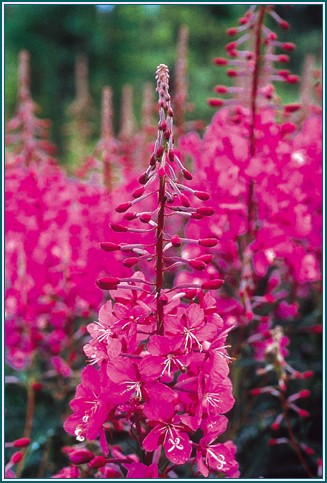
Let me start by sharing some of the links and information I missed in our show notes from the contest entries our listeners submitted.  For example, Kathleen of Borealis Meditation sent me a lovely batch of pictures featuring the fireweed (Epilobium angustifolium) from her lore submission:

In case you haven’t heard the related yuletide tale on the show, the folk wisdom goes that these shrubs, which grow after a wildfire has spread through a landscape, bloom from the bottom up.  They also go to seed from the bottom up, turning into “fluff” as they go.  When the fluff hits the top of the stalks, the first snow will fall, so the story says.

I also failed to put a link to listener and blogger Nathalie’s “24 Posts to Christmas.”  If you remember, Nathalie shared the lore about the Kuppelchen, a type of house-spirit responsible for taking care of a household and which often appears in families where magical folk are present.  In addition to this great bit of lore, Nathalie gives lots of holiday tidbits, tales, and recipes, including one for Grog—a very warming and bracing adult beverage for those cold winter days.  She also talks about things like Christmas Markets, St. Nicholas, and lead casting (which we also mentioned on the show, I think).

December is full of magical holidays, not just the mid-to-late month festivities that everyone knows about.  I’d like to throw two Catholic holidays out there (don’t worry, there won’t be any dogma, just a few of the more magical traditions associated with them).

First, there’s St. Nicholas’s Day, which is December 6th.   The night beforehand, children leave out their shoes near the door or fireplace, and in the morning, find them full of toys, candy, nuts, and fruit.  This custom, which seems to be Northern European in origin, is one I grew up with in my house.  St. Nicholas is also usually accompanied by a darker traveling companion, too, such as Ruprecht, Belsnickel, or Krampus.  This “anti-Santa” leaves punishments for naughty children, but can also be fairly benign and simply serve to balance out the whole “jolly old elf” side of the season.  I remember seeing lots of people dressed as either an angel or a devil on St. Nicholas’s Day while living in Prague, so the tradition of masking also ties into this holiday.  There is also an Appalachian tradition called “Belsnicking” which involves making masked visits to one’s neighbors during the holiday season (you can find a lot about that in Gerald Milne’s Signs, Cures, & Witchery).

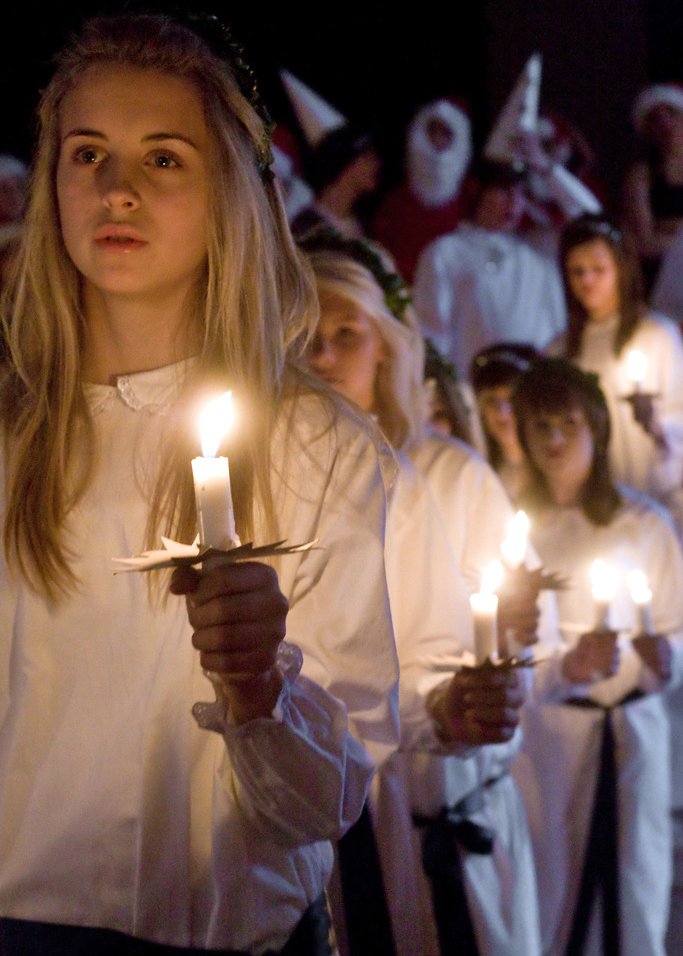
One thing I really wanted to mention, but for some reason didn’t, was St. Lucy (or Santa Lucia).  Lucy (whose name is deeply connected to the Latin “luce” or “light”) was a saint who tore out her own eyes as a demonstration of fidelity to her faith.  It’s a pretty gruesome thought, and much Christian art depicts this saint as carrying her own eyes on a silver platter.  Not exactly the type of story we think of while baking gingerbread men, right?  But St. Lucy’s Day, which falls on December 13th, is incredibly popular in Scandinavian countries.  Rather than focusing on the awful self-blinding, instead little girls wear crowns of candles and evergreens on their heads as they perform holiday parades dressed in all white gowns.  The girls then hand out sweets like gingerbread (pepparkakor) and chocolate to the people they pass, all the while, singing carols.  There’s a special type of pastry, the St. Lucia Bun, which is also made on this holiday.  In Italy, children leave out coffee or chocolate for Lucia, as well as bread and grain for her donkey.

There are still so many wonderful holiday traditions, customs, and magics out there to mention, but I’ll pause here for today.  I hope you’re enjoying the spirit of the season!

Thanks for reading!

-Cory

Podcast 21 – Winter Lore

-SHOWNOTES FOR EPISODE 21-

Summary

In this episode, we share some of the winter lore we received in our recent contest.  We look at the various wonderful traditions from around the continent (and the world), and share some of our own holiday practices.  Plus, we have a special guest!  We also discuss reclaiming the holiday season, and we have the winners of our contest!  Thank you to all who contributed!

Play:

Download:  New World Witchery – Episode 21
-Sources-
Most of our lore comes from either us or our listeners this time around. But if you’re looking for some good books on holiday customs and traditions, I can recommend:
All Around the Year, by Jack Santino
The Winter Solstice: The Sacred Traditions of Christmas, by Caitlin & John Matthews
The Return of the Light: Twelve Tales from Around the World for the Winter Solstice, by Carolyn M. Edwards
Stations of the Sun: A History of the Ritual Year in Britain, by Ronald Hutton
Pagan Christmas: The Plants, Spirits, and Rituals at the Origins of Yuletide, by Christian Ratsch
Promos & Music
Title music:  “Homebound,” by Jag, from Cypress Grove Blues.  From Magnatune.
Promo 1 – Borealis Meditations
Promo 2 – Forest Grove Botanica
Promo 3 – Appalachian Witch Doctor Tales

Quick Update – Holiday Lore Contest Reminder

Hello everybody!

This is just a quick reminder that we’ve got our Winter Lore Contest on right now, but time is running out to get your entry in.  We’re looking for information centered around the winter holidays, specifically local or family:

  • Practices
  • Customs
  • Traditions
  • Songs
  • Recipes
  • Stories
  • Crafts

Please make sure you tell us what area you are from (generally), and if you would like us to use your name on the blog/podcast.

You have until midnight (Central Time) on Monday, December 6th to submit your lore via blog comment or email, so don’t delay!  You can still get an additional entry if you tweet, blog, or otherwise spread the word about the contest and send us the link.

The prizes are:
Two Runner-up Prizes – Signed copy of Judika Illes’ latest book, The Weiser Field Guide to Witches

One Grand Prize – A Compass & Key Hoodoo Starter Kit, with a selection of oils, botanicals, curios, and other products for budding rootworkers.

We’ve gotten a number of excellent entries, but we still would love to get some more, so please submit before time runs out!

Thanks for reading (and sharing)!

-Cory

Blog Post 9 – Groundhog Day

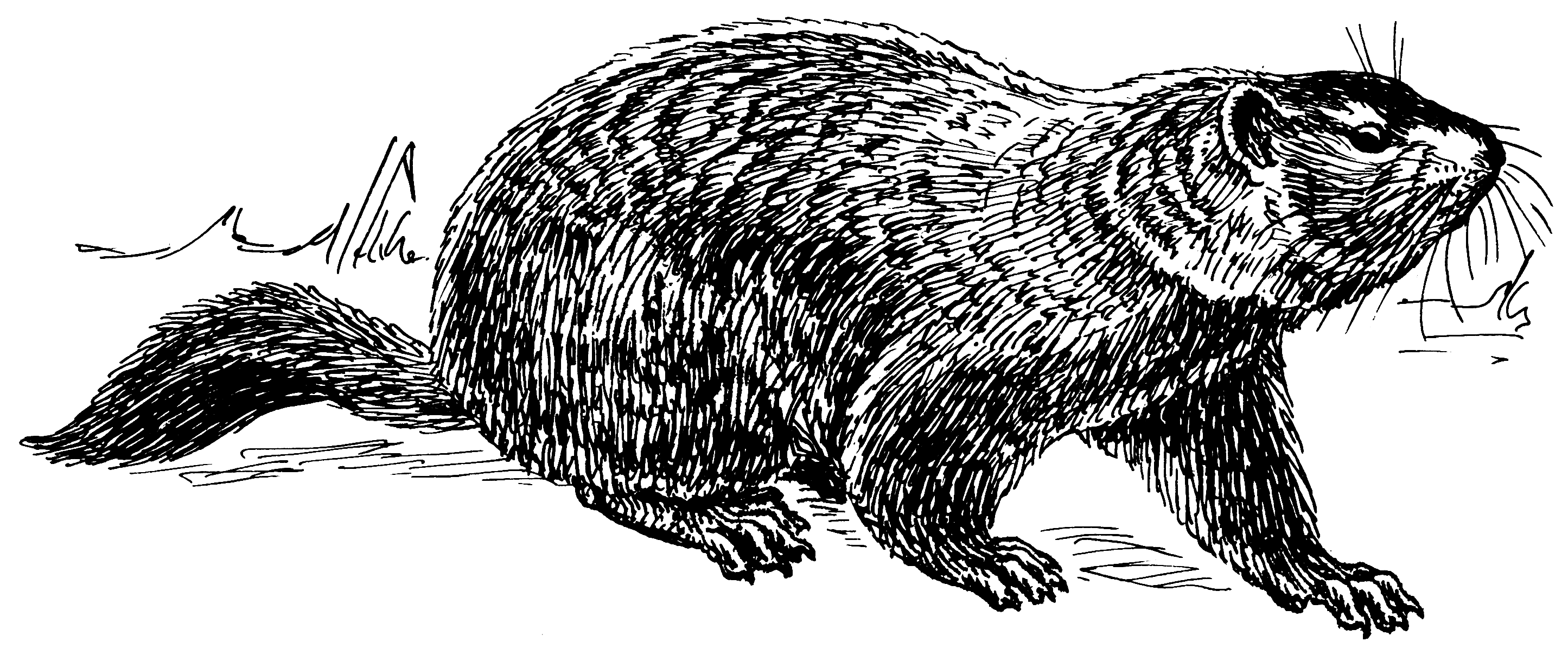
Today we’re migrating a little bit outside of New England proper and into territory which we’ll be covering more extensively at a later date.  But in honor of Groundhog Day, I thought it would be fitting topay a visit to Punxatawney Phil, the ground-dwelling rodent whose annual weather prediction is the subject of great ceremony (and a rather funny film featuring Bill Murray).

Most people know the traditions associated with this holiday (or its sister holiday, Candlemas), but in case you have been living—like Phil–under a rock, in a cave, or in a town library attended to by men in top-hats—if the holiday marmot pokes his head outside after sunrise on February 2nd and sees his shadow, winter will linger for a while longer.  If he doesn’t, you can expect an early spring.  There are dozens of variations on the exact way to interpret that weather prediction.  My personal favorite is the absurd truism “if he doesn’t see his shadow, only 6 weeks until spring; if he does, 6 more weeks of winter.”   I’ve already referenced one proverb about this holiday in a previous post, but there are a couple of poems related to this holiday which illustrate its lore.  The first is Scottish in origin:

“If Candlemas be fair and bright
Winter will have another flight
If Candlemas be cloud and rain
Winter will be gone and not come again”

And here’s one from 17th-century poet Robert Herrick (whom you may know as the author of “To the Virgins, to Make Much of Time”):

Ceremony upon Candlemas Eve

“Down with the rosemary, and so
Down with the bays and misletoe;
Down with the holly, ivy, all
Wherewith ye dress’d the Christmas hall;
That so the superstitious find
No one least branch there left behind;
For look, how many leaves there be
Neglected there, maids, trust to me,
So many goblins you shall see.”

The lore surrounding this day comes from a couple of key sources.  The best known is probably the European tradition of the Candlemas Bear or Badger.  These animals would stir (or in some cases, be coaxed) from their winter dormancy, and observers would make note of their reaction to the environment outside.  Then a prediction of spring’s eventual arrival could be made and plans could be laid for things like tilling and planting crops.  The selection of the groundhog as the New World substitute is outlined by Gerald C Milnes in his Signs, Cures, and Witchery:

“The badger was…used as a weather predictor in Germany, but in the New World, Pennsylvania Germans substituted the groundhog for this role because skunks [whose fat or ‘grease’ the author notes was used as Old World healers used badger fat], unlike badgers, do not hibernate…German Protestants brought the old weather-predicting tradition to Pennsylvania, where it is still actively observed in some German communities.  Groundhogs were substituted for the badger (and bear) traditions o fEurope.  Now the hibernating groundhog has their supposed powers to predict the weather.”

But why did this holiday catch on so widely when so many other holidays and traditions—such as First Footing or Belsnicking (see Milne for more on this mumming tradition)—remained highly localized?  Well, it is certainly a fun holiday, and seems antiquated without being stuffy.  In Punxatawney, Phil is cared for by a group known as the Inner Circle, town elders who dress formally for the occasion of Phil’s prognostication in what sometimes seems a silly parody of Lodge traditions like the Masons.  The general good humor of the occasion (other than the poor rodent, who probably just wants to go back to sleep) has likely fueled its popularity.  But my favorite explanation comes from Jack Santino, in his book All Around the Year:  Holidays and Celebrations in American Life:

“In spite of all this obvious phoniness, we still pay attention to the groundhog’s prediction, as trumped up as it may be.  This probably has to do with the fact that Groundhog Day is the first time that we direct our attention in any formal way towards the coming, much-anticipated spring.  It works for us because after a long January, winter is getting old.  February is a difficult month to get through, even though it is short.  Any indication of an early spring is eagerly welcomed, and Groundhog Day is the first tentative look ahead.”

Santino also connects the groundhog’s celebration to another February holiday:  Valentine’s day.  He notes that the original date for Groundhog Day (in the pre-Gregorian calendar) was on the 13th or 14th of February.  Likewise, the Candlemas bear became a diminished cutie—the teddy bear often given to a loved one on Valentine’s.  I find this connection a bit tenuous, but fun to consider nonetheless.

I should also note that Phil is not the sole weather-predicting critter in the business today.  There are also such famed meteorological marmots as Buckeye Chuck (in Ohio, naturally), Woodstock Willie (Illinois), and Balzac Billy (in Alberta).  Silly as all this may be, I would once again submit that the attentive witch can learn something on Groundhog Day.  Sure, there’s the witchy notion that observing the animals can help predict future events, but I’m more inclined to say the lesson here is that sometimes, it’s okay to smile and laugh at tradition.  There’s a time and a place for the somber and serious, but there’s also a time and a place for a little mirth in the mix.

For those seeking to balance Groundhog Day out with something a little more significant, Candlemas itself is still a holiday for Catholics, as well as some Protestant denominations and even some Pagans and neo-Pagans (myself included).  In the Christian tradition this is the day for the presentation of Jesus at the temple by his mother, Mary.  Christians bring candles to the church to be blessed so that they can be burned throughout the year for loved ones.  Many neo-Pagans celebrate the first or second day of February as Imbolg, dedicating it to goddesses like Brigid or Hestia.  All of them, though, share something in common with Phil:  they’re all looking forward to warmer days and brighter times.

So whatever you’re celebrating today—Groundhog Day, Imbolg, Candlemas, or even an early Lupercalia—I wish you a joyous day and a warm fire to keep you through the remains of winter.

Thanks for reading!

-Cory