Have you ever wanted to learn practical cartomancy (fortune-telling with playing cards)? Well here’s your chance!
We’re running a 3-class course on card reading (and more) and you can sign up at our website! Link in bio or visit http://www.newworldwitchery.com
Greetings all!
As some of you may know, Cory wrote a book some ten-plus years ago called Fifty-four Devils: The Art and Folklore of Fortune-telling with Playing Cards. Last year, he released the Tenth Anniversary revised edition, which expanded the original text to include more depth on readings, revised options for non-binary readers and clients, ways to read playing cards in conjunction with other divination methods, and even some guidance on spellwork with cards!
Early in 2025, Cory also test-ran a three-session cartomancy course for New World Witchery Patreon supporters, which got some great reviews!
Cory Hutcheson’s The Fifty-Four Devils cartomancy course was a delight from start to finish. Cory is a very knowledgeable and experienced playing card reader who has devised a method that is simple, effective and practical. He also teaches the system in a clear and engaging manner with lots of humor and charm. Besides learning the card reading system, you get history, folklore, mythology, and magic! It is a great way to expand your cartomantic reading skills -Karen C.
So now we’re opening that course to the public! Here’s the details:
Dates: July 7, July 14, July 21 (Monday evenings 7pm-9pm Central Time) – All classes are held by Zoom and recorded so if you miss one you’ll be able to watch it later
Cost: $64 per student*. That includes:
Three live and video-recorded sessions covering the history, folklore, and practice of playing card cartomancy
Access to our online classroom which will include discussion forums, practice prompts, no-pressure quizzes to self-check your learning progress, and more!
A copy of the e-book version of the Tenth Anniversary Edition of Fifty-four Devils
Additional bonus materials like video sample readings and printable PDFs
How Do I Register?
Good question! All you need to do is go to our Patreon page and purchase the post “54 Devils Cartomancy Class.” (You don’t have to be a monthly Patreon supporter to purchase this class, as you can do just a one-time purchase). When you purchase that post you’ll be able to open the entire thing and get the link to our online classroom to join us!
Registration will stay open until the first day of class, July 7th, 2025.
I already knew that Cory is an exceptional teacher and storyteller, but I was still pleasantly surprised by how skilled he was at engaging with the class and making cartomancy feel accessible and fun. The after-class lessons and quizzes he provided made me think carefully about readings and how to practically apply these new skills. -T. King
The course will be limited to a cap of fifty students for the sake of manageability. If you want to take the course but know you can’t afford it at this time, never fear! We’ll have a scholarship option available soon and open up five no-pay slots for students who will be selected at random from our pool of scholarship applicants.
If you’ve ever wanted to learn to do practical cartomancy with someone who’s been reading cards for decades while also engaging with a cartomancy learning community and getting some additional bonuses and perks, this class will be the one for you!
I hope to see you there!
Be well,
-Cory
*Please note that while the flat fee for the class is $64, some apps and platforms (such as iOS apps) may charge additional processing fees. The best way to ensure you get the $64 price is to visit the Patreon purchase site from a web browser.
Wait, do you not celebrate Summerween? Or even know what Summerween is? You could be forgiven for missing this, as it’s more of a tongue-in-cheek nod to those of us who can’t get enough spookiness in our lives and find that the long, languid days of summer drag out the time before Halloween. In truth, the actual name “Summerween” derives primarily from an episode of the Disney animated series Gravity Falls, which is sort of a cartoon version of the X-Files with a lot more weirdness, humor, and satire. Cousins Dipper and Mabel Pines are spending their summer with their Great Uncle (or “Grunkle”) Stan, who runs a huckster’s tourist trap museum featuring all the oddball weirdness of the Pacific Northwest. The town of Gravity Falls, Oregon (a fictional place) is known for its surplus of gnomes, zombies, creepy child televangelists, mermen, and mind demons, which leads to a number of adventures as the kids slowly unravel the area’s secrets over two seasons (I will pause momentarily to say that this is an excellent show and I always highly recommend it). In an episode from Season One, the kids and Grunkle Stan decide to celebrate Summerween, a sort of “extra” Halloween because the town loves weirdness so much. Instead of pumpkins, locals carve Jack-o-Melons out of watermelons, and most of the candy is the “garbage candy” that no one wants to eat–black licorice and circus peanuts, for example. Trick-or-treating is done in costumes, and there’s even a local urban legend about a “Summerween Trickster” who eats children that don’t show adequate Summerween spirit.
In recent years, Summerween seems to have picked up a bit of traction, and some social media accounts proudly display their own Jack-o-Melons and other Summerween decorations. All of that got me thinking, “How could we make Summerween a real, witchy thing?” Obviously there’s always going to be a bit of the wry wink-and-nod nature to the holiday, but as I unpacked it I realized it is entirely possible to add some folk magic, spookiness, and darkness even to the longest days of the year. So today, I’ll be looking at some of the components that could be used to make a Summerween happen. We’ll see that there are some fun elements of folklore you could put into play here, and maybe you can design your own Summerween festival to help you manage until the heat breaks and we can get to the lovely crisp, cool autumn days once more.
Corn has many folk magical uses. (image (c) Cory Thomas Hutcheson, 2024)
Corn
There’s more than a bushel full of folklore when it comes to corn. It’s worth remembering that outside of the United States, “corn” is used in English to refer to most grain crops, while “maize” would be specific to what Americans think of as “corn.” We’ve done a full post on corn before, but still, there is plenty of lore about corn we didn’t get to. Some has to do with growing or harvesting it, such as these beliefs:
At harvesting time, if the shucks on corn are thin, it is a sign of a warm winter.
Cut corn in the decrease of the moon [while it is waning], to keep it from spoiling.
Plant corn when poplar leaves are big as squirrel ears. [Or in some lore, when oak leaves are as big as a mouse’s ears]
When three black crows fly east over the field, harvest the corn the next day.
Tobacco should be planted with corn as an offering to keep it healthy all season.
Corn also has a lot of luck lore in connection with it, including a strong throughline connected to corn and the various colors of kernels and tassels:
If the first corn silk you see in the year is red, you will be healthy; but if it is white, you will be sickly.
If two ears of corn grow together and you get the ear at table, you will hear of a death that day.
It is lucky to hang a bunch of cornstalks over a looking-glass.
If while husking you find a blue-spotted ear of corn (sometimes known as Sally corn), you will be lucky.
It is good luck to find a red ear at a cornshucking.
Give a sick cow a red ear of corn, and she will get well.
When a person is shucking corn and a number of grains come off in his hands, he will have bad luck.
Carrying a piece of corn in your shoe or pocket is thought to bring you good luck.
To dream of gathering corn indicates you will be lucky in everything.
There are also some slightly eerier folk beliefs and workings that tie into things like charming, witchcraft, and even curses!
If a farmer fails to plant a row of corn in the corn field by oversight, some member of his family will die before the harvest time.
If corn stalks, with dirt on the roots, are hung on branches of fruit trees, the frost will not kill the blooms.
Having trouble with a bewitched gun while hunting? You can pour corn over the weapon, then feed the corn to hogs to remove the bewitchment and pass it on to them (assuming they will be slaughtered soon).
Plait your horse’s mane with corn shucks to prevent witches from riding him.
Jaybirds go to hell every Friday with a grain of corn.
Scratching a wart and rubbing the blood onto corn kernels, then feeding the kernels to chickens is supposed to make your warts go away.
To bury a sheaf of corn with a certain form of malediction and dedication to Satan, will cause your enemy to die as the corn decays. They practice this in certain parts of Ireland.
To bind up the last gleanings of the last field into the rude figure of a human being, and take it home and keep it, will insure a good corn crop the following year, and corn will be plenty until that time. [Basically make a corn dolly and keep it in your home for good luck and plentiful corn next year, a concept very akin to the butzeman of Pennsylvania German lore]. This is sometimes called a Spite Doll, according to Ozark folk magician Brandon Weston.
These last two really run the gamut of applications between making the most of your harvest for better or worse!
Watermelons
What would summer be without a cold slice of watermelon and a seed-spitting contest? Since the iconic Jack-o-Melon is a quintessential part of the Summerween experience, I thought I’d gather up a handful of entries that cover melon-based lore:
If you plant watermelons or any kind of vines three days after the change of the moon, they will do better.
Planting watermelons receives a plethora of advice about when to do it according to folklore. Ideal dates include Good Friday, in April when the south winds are blowing, on the first of May, every Saturday in May, during a New Moon, after apple trees bloom, during the lunar signs of Gemini, Cancer, or Aquarius, and before sunrise.
It is considered bad luck to point at or count your melons, which will make them fall off. Similarly, stepping over the vine before the melons are ripe will also cause them to rot or fall off the vine.
Several stories mention the idea of putting up poles around your watermelon patch with string or twine attached to them, which will work better to keep birds off than a scarecrow, according to the lore.
One bit of lore says that you can wash your face with melon rind to cure freckles.
A Pennsylvania German cure for kidney ailments involves making a tea out of watermelon seeds by steeping dried ones in boiling water and drinking it (after it’s not boiling anymore, of course–you all know how tea works).
If a child is having trouble with bed wetting, a bit of Ozark folklore says to feed them watermelon seeds before bedtime.
Gunpowder and Fireworks
We’ve already written a good bit about gunpowder, which is what makes fireworks do what they do. There’s also a long-standing tradition of “shooting in” times like the new year by firing guns loaded with just powder or blanks in the air (live ammo was sometimes used, but obviously that is highly dangerous). Gunpowder was mixed into hot-footing recipes and jinx-breaking ones, as well as used to make a barrier around someone or their property to keep them from harm. There are a few additional uses of gunpowder we could add here, too:
Pennsylvania German lore says that a cure for homesickness is to sew a good charge of gunpowder on the inside of the shirt near the neck.
In some places a dose of gunpowder was mixed with milk to help speed the delivery of a child (NOT recommended and NOT medical advice).
Another rather dangerous cure involves putting gunpowder in a bleeding wound. One entry even mentions that it should then be “exploded” (likely just ignited to create a fast cauterization, but again NOT recommended and NOT medical advice as this could cause a number of problems).
Gunpowder was sometimes made into a paste by mixing it with egg whites and used to treat acne, boils, and canker sores.
Gunpowder has anti-witchcraft properties as well. Some folks would scorch gunpowder in a pan to drive witches away, and one story tells of a man loading a gun with salt and black powder then shooting all around someone’s house to break witchcraft curse set upon the family that lived there.
Odds and Ends
Finally, I had to share a few of the creepier, eerier, or more esoteric bits of summer lore I found as I was researching. If these don’t add a little Halloween energy to your late July days, I don’t know what will!
“In Exmoor, if an old woman hears a cuckoo on midsummer’s day, she will not be alive at that time next year.”
“If, on a summer morning, a flock of chickens lie low with wings outspread, sunning themselves in a row, it is a sign that they are measuring a grave.”
“Myths must not be told during the day nor in summer, for snakes will come to hear them, if told at such times.”
“In very ancient times the ladies used to carry balls of crystal in the hand to enjoy their delicious coolness in the summer, as well as to gaze in the depths to see what their lovers were doing.”
The “Dog Days” of summer (which run from July to August and historically coincided with the rising of the “Dog Star” Sirius in the sky) are dangerous times: mad dogs are thought to be more common, as is rabies in general. In some places, there is a belief that even the water in the ground will turn bitter or poisonous during this time period.
“If an old woman hears a cuckoo on midsummer’s day, she will not be alive at that time next year.” Have you ever seen a bird look so smug? (image (c) Cory Thomas Hutcheson, 2024)
There’s more than enough there to launch your own folk horror version of a Summerween festival! You could easily dress your house in corn dollies along with your Jack-o-Melons, carry crystal balls and corn kernels in your pockets, and do an evening of fireworks with photos of exes you’d like to “rocket” out of your life! There are plenty of creepy ways to make the summer yours–just make sure to wear your sunscreen!
Festivals
You don’t necessarily need to invent a Summerween from whole cloth, either. Plenty of festivals and celebrations already happen during the summer and have a magical or spooky side to them. In the Gravity Falls episode about Summerween, Grunkle Stan displays a calendar that notes the holiday seems to occur in late June, but without a fixed date you could connect your own Summerween festivities to a number of other fetes that occur over the sunnier months.
There is, of course, Midsummer and the associated St. John’s Eve. We’ve written a good bit about those before, and we have a fairly recent Folk Magician’s Notebook episode that shares tales associated with St. John’s Eve as celebrated in New Orleans. In those stories, we often hear about “Voodoo Queen” Marie Laveau hosting celebrations on Lake Pontchartrain with her enormous snake draped around her neck as she emerged from the waters. While the stories may be a bit sensationalized, Midsummer and St. John’s Eve festivities are already stuffed full of fairy lore, magic, and witchcraft that ranges from the Shakespearean to the surreal (such as gathering “fern seeds” on Midsummer Eve).
(image (c) Cory Thomas Hutcheson, 2024)
In the Ancient world, the middle of summer was also typically the celebration of Kronia (sometimes also Cronia) a festival honoring Cronus/Kronos, the progenitor of the Olympian gods later associated with Saturn in Roman mythology. If you know the story about Cronus swallowing his children at birth then you can already guess there’s some eeriness to this day, which was sort of seen as a lesser version of Saturnalia with its inversion of social order. Rather than the full flip of Saturnalia where slaves took the role of masters for a day and vice versa, during Kronia slaves were simply allowed to act as freedmen for a day, sit at their masters’ tables, and join in games, drinking, and festivities. We know little more than that of the festival, but given how little Cronus was celebrated in religious life among the Ancients, this is likely a good day to work with Saturnine forces–casting long-term spells, harvesting or culling things from your life using a sickle (symbolic of both Saturn and Cronus), or putting a metaphorical dragon in charge of guarding your treasure by doing financial security magic. Hanging sickles from your door does seem like a good way to keep tax collectors away, after all.
Also from the Ancient world, we’ve got the celebration of Fortuna, which falls typically around June 24th. The goddess of fortune–both good and bad, mind you–Fortuna is frequently shown with a ship’s rudder (to steer the ship of destiny), a ball or wheel (like the Wheel of Fortune tarot card), or a cornucopia (symbolizing the hoped for abundance she could provide, but also recognizing that a harvest must be reaped AND sown, and that everything comes in seasons and cycles). Propitiation of Fortuna can be as simple as setting up an altar to her with symbols like balls, wheels, boats, coins, money, and so forth. I like to keep bay leaves on my altar to her to recognize her role in success, and often ask that as her wheel turns I can “bend without breaking” when I need to endure a low point on that wheel. You might easily incorporate some of her symbolism in your Summerween: wheels, cornucopias, boats, and so forth, but also some of the creatures frequently shown on the Wheel of Fortune tarot card like sphinxes, lions, phoenixes/eagles, or devils. You could easily host a costume party where people dress as any of the “Fortuna” figures to get a Summerween celebration going!
Fortuna was celebrated in Ancient Rome during the Summer months. (image (c) Cory Thomas Hutcheson, 2024)
Later in the summer, we have Lammas and Lughnassah, both celebrated in early August. Fellow folk witch Via Hedera calls this time “Highsummer,” which also makes sense, and it’s a time for harvesting and heat, which also means a time for bread. Doing bread-based divinations (something we’ve written about and discussed on the show) could be a wonderful way to add some Summerween fun into your life. There’s also the “crying the neck” ritual that involves tossing a sickle at a sheaf of wheat until it is cut. This ties into the folk tradition of “John Barleycorn” and his sacrifice, burial, and resurrection as both bread and fermented bread–er, beer. Once again sickles work well for a symbol here, and a good spooky game of “chuck the sickle at the wheat sheaf” feels like an extremely Summerween sort of sport.
The summer also means regional food and folk festivals. I could hardly get into all of them, but in your area you’re likely to have some kind of festival celebrating a locally produced food. There are gala days for things like strawberries, chile peppers, garlic, and just about anything you could imagine. Finding out what is feted near you could involve digging into some history and folklore about that particular piece of produce and using it in your magical work and decor (maybe by braiding them into ristras to hang around your home for protection in the case of chile peppers or garlic, for example). Folk festivals are equally abundant. Depending on where you are, you may be connected to any of a number of ethnic festivals such as the Kutztown Folk Festival (celebrating Pennsylvania German folk culture, including a bit of magic and healing from the braucherei tradition), a variety of Scottish festivals like the Virginia Scottish Games or the Middle Tennessee Highland Games, or the Nordic Fest in Decorah, Iowa (a three-day event commemorating the town’s Norse heritage). And of course there’s Juneteenth, celebrating the Emancipation of African Americans in many parts of the United States, which comes with a wide variety of traditions for those who are invited to participate.
There are some very particular holidays that you might connect with, too. In the U.S. Virgin Islands, for example, the fourth Monday in July is Hurricane Supplication Day, in which offerings and prayers are made to protect the islands from hurricanes. For those with an Irish background, you might look to Puck Fair, a festival from County Kerry that involves making a goat king for a day and dressing both it and everyone else up in ribbons and festival decorations, ultimately culminating in a trip up the local mountain for a Reek Sunday mass (if you are so inclined). Or you might celebrate Tanabata (Star Festival) if you’re from a Japanese heritage, putting out bright decorations made from colorful origami to honor the stars on July 7th (or August 7th if you are in/from Okinawa).
Finally, even Wall Street has its own slightly spooky holidays that can connect to the Summerween spirit. Folklorist Jack Santino noted that the stock market has its own version of curses in the form of something called Triple Witching Days. According to his book All Around the Year, “On Friday, September 19, 1986, newspapers and television programs carried stories of the Wall Street phenomenon called the triple witching hour, when the stock market undergoes an hour of unusually unpredictable shifts. The term refers not to broomsticks but to a time when ‘stock index futures and options on individual stocks expire simultaneously.’ The results of this are mercurial, unpredictable swings in the underlying value of most stocks. These ‘Triple Witching Days’ occur four times a year, on the third Fridays of September, December, March, and June” (45). Santino links this to beliefs about the role of threes (with these events occurring on the third Friday of every third month) and the fact that three types of stocks expire at the same time (stock index futures, stock index options, and individual stock options). So when someone describes themselves as a “financial wizard,” perhaps we should believe them!
A later section in Santino talks about the eruption of the Satanic Panic and how many of the reported incidents related to it were tied directly to the summer solstice. He notes, “[W]hen the sheriff of a small midwestern town orders the exhumation of supposed sacrifices of ritual murders on the eve of the summer solstice (his sources told him there would be more killings on June 20 or 21), we are witnessing behavior motivated by folk belief surrounding the longest day of the year, a day traditionally associated with magic.” This passage is in reference to a Satanic Panic scare that took place on June 21, 1985, in Spencer Township, Ohio in which the head of local law enforcement followed a rumor mill that led him to excavate a rural spot that was supposedly the site of “an orgy of human sacrifice.” The digging turned up a headless doll and a rusty knife, but absolutely no bodies. The sheriff still proceeded to describe the doll as “decapitated” and indicated that the knife was somehow proof that some sort of diabolical activities must have been going on, but that the Satanists had just been a bit too clever in getting the bodies out of there before he could find them. Oh those tricksy Satanists, right?
The Satanic Panic and its horrifying legacies aside, we really do have plenty of folk material we can call upon in the summer months to put together a richly spooky and magical experience if we wish to. So today let’s dive into some of those Summerween features and see what sort of warm-weather witchery we can make!
It’s a good time to put on some scary movies! (image (c) Cory Thomas Hutcheson, 2023)
Other Ways to Celebrate
If you’re looking for other ways to enjoy the Summerween spirit, what about spooky stories with a warm-weather atmosphere? While most of our fears go bump in the night when we read a ghost story or watch a horror film, there are more than enough “daylight horror” narratives that they even have their own genre (which is, of course, “daylight horror”). Since we’re a folk magic-positive site, here are a few that have a bit of good folklore and roots-based enchantment woven in among the creaking doors and rattling chains.
The Birds (1963) – This Hitchcock film made Tippi Hedren a household name and its marketing irritated a number of grammar teachers (“The Birds is coming”). Where’s the folklore? It’s based on a story by Daphne du Maurier of Rebecca fame, and she was well-attuned to English lore. Birds, especially birds that get indoors, are often seen as a portent of death.
The Wicker Man (1973) – A distinctly daylight horror original. This film is set around Beltane and the welcoming in of summer, complete with naked dancing pagans, a Hand of Glory, and a maypole!
Wake Wood (2009) – This Irish folk horror story initially seems like a Pet Semetary variation, but gets a good bit darker and deeper than that. Pagan rituals and magic spells are used to resurrect the dead child of a grieving couple so that they can have three more days with her, only to discover that maybe they don’t exactly want her back anymore.
Midsommar (2009) – A24 and Ari Aster have become the surest ways to get me to a movie theater these days, and Midsommar is a good example of why. It’s brutal and a “don’t-look-away” story that chills your heart (and may turn your stomach), about Dani, a young woman mourning the loss of her family, who accompanies her gaslighting boyfriend on an anthropology trip to Sweden to study a pagan ritual. They, of course, get in much deeper than they had anticipated. Tons of great folk magic shows up here, including the use of menstrual blood in food as part of a love (or lust) spell, and oh, there’s another maypole, too.
Lamb (2021) – This creepy Icelandic film involves a rural family who find that their ewe has given birth to a strange creature that is half-sheep, half-human. They decide to raise the child, and a variety of twisted events begin to collapse all their suppositions about the world they live in. This one is based very much on the lore of the “monstrous birth” portending momentous change for those who were near when it happened.
Gravity Falls (2012-2016) – Yes this is a television show, and yes, it’s a Disney animated show ostensibly for kids. But there’s a lot more to this one than that. After all, this is where we get the concept of Summerween at all! If you enjoy things like the X-Files, Outer Limits, Buffy the Vampire Slayer, Riverdale, or the Twilight Zone, this show has something for you. The stories and characters are fun and make for good casual watching, but there’s also a massive connected story that covers the whole two-season series involving a handshake-deal making mind demon, a creepily adorable televangelist, aliens, portals, secret codes (which the show runs with, including secret codes in every episode that you can crack to get deeper show lore). It’s pretty phenomenal, and has even featured voices from people like Linda Cardellini (Freaks & Geeks and The Avengers), J.K. Simmons (of Spider-Man and Whiplash), Alfred Molina (also in Spider-Man), Jon Stewart (of the Daily Show fame), Weird Al Yankovic, Kyle MacLachlan (Twin Peaks), Mark Hamill (you know, Luke Skywalker?), Patton Oswalt (Ratatouille), Lance Bass (‘NSYNC), and even Matt Chapman (the person behind the internet phenomenon Homestar Runner and breakout character Strongbad). This show holds a rare 100% positive rating on Rotten Tomatoes for a good reason–it’s phenomenal, and it will definitely get you in the Summerween spirit!
And finally, if you want to put all that daylight behind you, consider making the most of the nighttime, too. From late July through mid-August, if you look up you may catch a glimpse of one of the most abundant meteor showers visible in North America, the Perseids. They are named this because they seem to originate from the constellation of Perseus (found between the slightly more recognizable Casseopeia and Taurus constellations). During the peak of the shower, which in 2024 is around the 12th and 13th of August, you might see up to one hundred meteors per hour! That’s a lot of potential wishes made on shooting stars, and definitely something a little bit magical to enjoy as you’re putting out your Jack-o-Melon candle.
Whatever you do for your Summerween, we hope it gets you through the last of the season and through until Autumn and Halloween proper. For now, though, we wish you a magical celebration and we hope you find a way to appease the Summerween Trickster before the night is through (we hear five hundred pieces of candy including Gummy Chairs and Mr. Adequate Bars will do the trick)!
You can blame this one on the book club. We recently finished reading and discussing Robin Wall Kimmerer’s Braiding Sweetgrass for our Patreon book club, which is a beautiful series of essays on ecology, indigeneity, motherhood, science, spirit, and stewardship that I thoroughly recommend. Kimmerer is a botanist by trade, and a bryologist by specific discipline, which means she specializes in the study of mosses. I listened to a fascinating interview with her on the podcast Ologies with Allie Ward in which she describes the miniscule rain forests that exist within the carpeted world of mosses and their cousins, lichens.
Spending the time with Kimmerer through her work and her hypnotic voice (seriously, go listen to her interviews or essays) must have put me in a receptive mood, because I’ve been noticing mosses and lichens popping up in my folklore texts a lot recently. So today I thought I’d share a bit about that folklore from a more magical perspective. I’m also rolling in ferns, since both can be found together in forests, as well. It also helps that ferns have a good deal of magical lore, too. I should also note that my aim here is not a strict botanical examination of these plants, so there are going to be some “mosses” and “fern” related items that might not strictly fit the scientific classifications.
I will, however, start with a scientific note. One of the first points to address is some of the most common lore about mosses: that you can always figure out what direction north is since moss always grows on the north side of trees. Strictly speaking, this is not universally true. What mosses like is moisture, and moisture lingers longest in shady spots rather than sunny ones. As Tristan Gooley puts it in his excellent guide to observing the natural landscape entitled The Lost Art of Reading Nature’s Signs, “[m]osses need water to reproduce and so are a dependable indicator of places that retain moisture…shady places are moister than sunny ones; these are more common on north-facing surface and so, if you have eliminated other causes of moisture, then mosses can point the way north” (my emphasis). So yes, if you’re lost in the woods, moss is better than nothing, but remember there’s potentially a lot of moisture around and the moss should be only one tool in your natural-compass arsenal. An interesting bit of lore from Harry M. Hyatt’s Folklore from Adams County, Illinois inverts the north-growing moss trope and says that “A hard winter always follows the appearance of moss on the South side of trees in autumn.” Moss also helped predict weather based upon its own moisture content, at least in this snippet of lore: “When the mountain moss is soft and limpid, expect rain. When mountain moss is dry and brittle, expect clear weather” (Daniels, p. 819)
Moss is also used as folk medicine by some. In Pennsylvania German folk practices, one remedy for diarrhea recommends boiling tree moss in red wine and drinking it to relieve the problem (Harms/Hohman, p. 68). Its soft, spongy nature also made it useful for dressing wounds in some situations, as well. That texture also makes it a popular filling for dolls and poppets, too. One of the best known applications of this is the use of Spanish moss in the creation of doll baby spells in Southern folk magic. Strictly speaking, Spanish moss isn’t actually a moss, but a flowering plant, but in folk thought if it looks like a moss and squishes like a moss, well…I mean just look at the name! (Of course, it’s also not Spanish in origin, so maybe don’t look too closely at the name).
(Spanish Moss draped from trees. Photo by Huron H. Smith, 1908. via Wikimedia Commons)
One of the more interesting magical connections is between moss and the dead. Several bits of folklore describe gathering “skull moss,” which is simply moss or lichen scraped off of a gravestone or human remains. Scott Cunningham recommends carrying moss scraped from a gravestone for good luck, “especially financial luck” (p. 156). This lore is echoed in The Encyclopedia of Superstitions and the Occult as well, which also notes that An old superstition says that when a robin redbreast finds a dead body, it will cover up at least the face, with leaves or moss” (p. 687). Moss softens and blankets, which may contribute to this lore, and offering the dead a bit of comfort in the form of moss may be where the luck aspect of this comes from. Stranger still is a fragment of North Carolina folklore that notes “White moss from the skull of a murdered man, picked in a graveyard at the full o the moon, and tied in a piece of blue cotton cloth around the neck, will win any man” (Brown, p. 574).
(Image (c) Cory Thomas Hutcheson, CC 2.0 License)
Moss also shows up in the famed “Language of Flowers,” and is used to encode messages to recipients who understood the meaning of different kinds of moss in a bouquet or arrangement:
Iceland moss represented health
Wood moss represented maternal love or ennui
Lichen represented dejection and solitude (Daniels, p. 794-95)
The widely varying range of meanings here may have something to do with the many varieties of moss, but it could also be rooted in the way moss appears to interact with its environment–the green lushness of moss could signify health for many people, for example, while the way lichens can “hide” on trees and rocks could connect to the solitude meaning. The clinging nature of moss also makes it fit the feelings of connection and love. We’ve already mentioned that Irish moss is sometimes put in the corners of shops to make them more prosperous in our post on occupational folk magic, largely because of the way Irish moss feels abundant.
(Ferns are often associated with fairy folklore, especially around Midsummer. Photo: Antoni Piotrowski, Public domain, via Wikimedia Commons)
Ferns are also richly folkloric, and connect to the Otherworld, although more through the realms of Faerie than the dead specifically. In renowned folklorist Katherine Briggs’ work, Pale Hecate’s Team which examines fairy lore in England, she notes that “fern-seed” was considered to be a powerful magical ingredient: “A famous herb[…] was fern-seed, which, gathered at the right time and with the right ceremonies, made the man who wore some about him invisible.” She also points out that its power came with risks, because “It seems to have been almost as difficult to secure fern-seed as to draw up a mandrake from the ground, a herb even more renowned than fern-seed” (p. 169-70). Anyone who knows about ferns knows that they don’t actually have seeds, though. Instead they reproduce using spores released from the undersides of their leaves, which may be what “fern-seed” refers to. Possessing fern-seed offered you a number of powers. Invisibility, as mentioned above, was one of the most common, and is even mentioned as common lore in Shakespeare’s Henry IV, Part I. Other lore indicated that it would allow you to understand the language of fairies. In much lore, the fern-seed had to be procured specifically at midnight on Midsummer’s Eve (the night before the Summer Solstice, although it is also popularly celebrated on June 23rd). One bit of lore also said that this magical supply, when brought by the Devil for the price of one human soul on Christmas night, would make ap person as strong as “twenty or thirty men” (Daniels, p. 784). One should be careful when gathering fern, however, as plucking it at times other than prescribed will invite thunderstorms in Polish lore, or even cause one to be pursued by snakes and serpents.
Fern could also be used to ward off witchcraft and evil. One superstition says that “It was formerly customary for waggoners to place a bunch of fern over the horse’s ears or on the horse-collar, to ‘keep the devil away’ and to ‘baffle witches’” (Opie & Tatem, p. 147). Cunningham notes that “Ferns can be planted inside or outside the home for protection, thrown on hot coals to exorcize evil spirits or worn to guide the bearer to treasure” (p. 102). Ferns, despite their association with fairies and devils, can also be used to drive them away, and kept on one’s person can break illusion spells and render incantations powerless, too.
(Ferns were thought to be useful for everything from warding off witches to enhancing beauty to improving dental health. Image (c) Cory Thomas Hutcheson, CC 2.0 License)
Maidenhair fern has its own unique lore associated with beauty, likely owing to its name and appearance. Cunningham describes putting maidenhair fern in water, then using the water as a sprinkle to endow one with grace, beauty and charm. It could also be turned into a rinse for hair to make it silkier and more lustrous.
One of the better-known ferns is the popular Rose of Jericho (also known as the Resurrection Plant). This fern can dry out completely and curl itself into a tight brown ball, almost like a tumbleweed. Then, when given water, it will bloom over the course of a day or so and become verdant and lively again. Using the water from a Rose of Jericho–which would symbolically be infused with vivacity and not a little bit of the miraculous what with the resurrecting bit–is thought to boost prosperity when sprinkled around cash registers or shop doors. Catherine yronwode notes that the water should be added to the plant on Fridays, and then used throughout the week.
(The Rose of Jericho fern is also known as the Resurrection Plant and can survive long periods without water. Image (c) Cory Thomas Hutcheson, CC 2.0 License)
One final bit of lore about fern strangely connects it with teeth. A piece of Tyrolean superstition says that placing fern over one’s door ensures that you will have good dental health all year. Cornish lore states that “if you bite with your teeth from the ground the first fern you see in the spring, you will have no toothache all the year” (Daniels, p. 784).
I’ll close with a little rhyme that doesn’t seem to be directly related to any fern lore, but which is too charming to resist:
“When the fern is as high as a spoon
You may sleep an hour at noon,
When the fern is as high as a ladle,
You may sleep as long as you’re able,
When the fern begins to look red,
Then milk is good with brown bread.”
(Daniels, p. 784)
So if you head out into the forest for a hike this summer (or visit a moss-grown graveyard), keep your eyes peeled for ferns and mosses. You never know what kind of magic you’ll find, even in the humblest of plants.
Some time ago, I received some delightful news about a friend who will soon be a proud parent to a bouncing baby braucher (Pennsylvania German folk healer). As part of that news, my friend also requested any potential knowledge I might have about protection and safe delivery charms for the wee bairn and their birthparent. That project became a bit more extensive, and I realized it might be information that others are curious about, too, so with their permission I decided to turn it into our article this month!
A brief note and content warning: NONE of this is intended as medical advice. It should be understood as an examination of the folklore of pregnancy and birth, rather than anything to be attempted. Please listen to your medical professionals regarding accurate pregnancy and birth care! Additionally, some of these folkloric tidbits will get a tad unsavory. Animal deaths and bodily fluids are a key part of this lore, so please be aware of that before reading any further.
Rabbits paid a hefty price for human pregnancies in the mid-20th century (image by Cory Thomas Hutcheson (c) 2023 – CC 2.0 Attribution license)
What to Expect when you’re Hex-specting – Pregnancy and In Utero Protection
The state of pregnancy is often treated in folklore with some degree of delicacy, both in terms of the physical aspects of carrying and birthing a child and in the very language we use to talk about it. Many folk sayings go to great lengths not to specifically say “pregnant” or even “with child,” but rather use euphemisms like “a bun in the oven” or “in the family way” to refer to someone while they are expecting. One of the more potent phrases, though, was to say “the rabbit died.” Why a rabbit? In the early-to-mid twentieth century, one of the more accurate pregnancy tests involved injecting urine into a rabbit’s kidneys. If the rabbit died, then it was confirmation that the person providing the urine sample was indeed pregnant. (Rabbits by and large get the short end of the stick in folkways–rabbit brains were used to help with teething babies and rabbits were often thought to be witches in disguise, not to mention the famous “lucky rabbit’s foot”). Another rabbit-based charm involves taking the rabbit’s foot and placing it under the expectant parent’s pillow while giving them a rather stinky asafetida bundle to wear around their neck, thus staving off any malevolent spirits during the birth process.
Much lore is devoted to concerns over “marked” babies, who will have birthmarks in the shape of something traumatic from their birth parent’s pregnancy. Usually this takes the form of a simple craving that goes unfulfilled, such as strawberries or apples, which then take the form of red marks on the new child. One account from Tennessee says that a woman who went to see a movie was frightened at one point, and her child came out with a “birth-scald” on its face. At other times, the marking can be more serious. Lore collected in the Ozark Mountains says that a pregnant person should avoid looking at corpses, lest they pass that condition on to their child. A similar bit of lore from the upland Southeastern mountains in North Carolina and Kentucky notes that seeing dead or skinned animals means that a pregnant person will be “confined” soon (on mandatory bed rest).
Many folk groups believed that a fright could mark a baby in the womb (image by Cory Thomas Hutcheson (c) 2023 – CC 2.0 Attribution license)
One exception to the dead animals rule comes from a Central European Romany spell. In that case, a crawfish shell can be emptied out (the meat should be eaten by the one who is pregnant), then cleaned and dried. The shell can be kept in a little bundle on the person’s body or pinned to their clothing as a protective charm (Illes 838). Another amulet involves taking a sturdy cord and making knots in it to “hold” the baby in place and avoid any harm to it. Even wearing one’s hair in braids can be used to accomplish this.
A few other rules apply to the gestation period, too. One rule states that you shouldn’t make any kind of cap or headpiece for a baby before it is born, or it can cause the delivery to be incredibly difficult and painful. Expectant parents in the Ozarks will even take hats and caps given as gifts and burn them right away to avoid any unpleasant outcomes (Randolph 199). Another piece of lore from Kentucky (and one that I would say we have a different medical perspective on now) notes that Communion wine is thought to be vital to a pregnant person, and that they should be allowed to take it whether they are a member of the Church or not (Brown, NC Folklore v6, p.6).
Talking about a pregnancy is also taboo. In one bit of Italian lore mirrored among several cultures, the pregnancy should not be announced until at least the first trimester has completed, and even longer if possible. Hair is also guarded carefully in Italian folk belief–an expectant parent should only get their hair cut while pregnant on the first Friday in March.
Doing More than Boiling Water – Delivery Magic
Pregnancy is seen as a time of joy and vulnerability, and that comes to a head during the process of childbirth. Even in our modern age, there are still numerous risks to parent and child during birth, and mortality rates for births are still fairly high, ranging from around 20 deaths per 100,000 births on average to a high-end around 55 per 100,000 births among Hispanic parents in 2020.
An axe or knife under the bed was thought to ‘cut’ the pains of birth (image by Cory Thomas Hutcheson (c) 2023 – CC 2.0 Attribution license)
With that risk in mind, the immediate before-during-after birth period is loaded with folk magical beliefs and practices. One of the most widely distributed is the use of sharp objects to “cut” birthing pains during the process (Brown, NC Folklore p.10-11). Mostly these involve bringing in an ax or knife and placing it beneath the bed of the one in labor. At least one bit of Southern folklore also indicates the use of a plowshare for the pain-cutting implement, too. Some additional charms, talismans, and rites to ease the pain of childbirth include:
All locks in the house should be opened, according to English folklore, in order to make the birth go smoothly (Opie & Tatem, p. 27)
Similarly, untying knots can be a way to make labor go smoothly as a sort of corollary to the knot-tying charms used during the months of pregnancy. A red string can be tied around a person’s waist to give them strength during the delivery, too (Botkin p. 627)
Keeping silver coins stolen from a church in the bed is done to stave off both venereal infections and childbirth pains (Randolph p.199-200)
It’s ideal to have a hornet’s nest kept somewhere in or near the house (it can still house hornets if it is outside, although a dried and empty one indoors can work well–as a bonus, if you hang an empty hornet’s nest it will usually discourage new hornets from building a nest near your home) (Randolph p. 200)
It’s bad luck to hear the call of the mourning dove while in labor, but you can speed and ease the delivery by wearing a shed snakeskin as a garter around the thigh (Brown, v6, p. 9)
A holey stone (hagstone) hung over the bed where the birth is taking place will make the delivery smoother and less painful (Brown, v6, p. 10)
The best time for birth is right before or right after the new moon, according to one bit of Southern lore (Botkin p. 627)
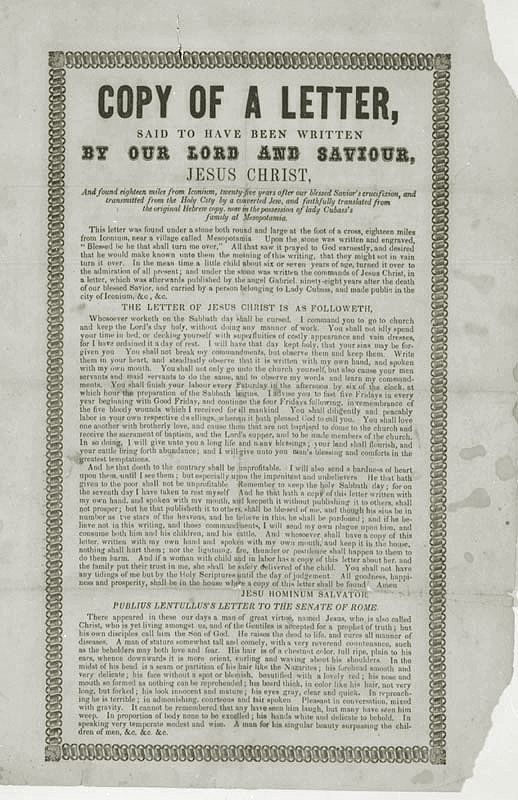
One charm worth noting is a specific himmelsbrief (“heaven letter”) used in Pennsylvania German folk magic to offer protection or blessings when carried or worn. I talk a good bit about these in my book, but the application of one of these written charms to childbirth is noted in the Frank C. Brown Collection of North Carolina folklore, which indexes it to both the German American settlements and to Newfoundland. The specific letter in question is known as the Iconium letter, which purports to have been written by Jesus himself sixty-five years after the crucifixion. The letter has been copied, translated, and shared often, and you can even find a decent copy of it online (in English) through the Library Company of Philadelphia. The Brown Collection entry also mentions that those coming from an Islamic background might use Chapter 84 of the Quran, known as “The Rending Asunder” or similar names. A Jewish tradition of a letter regarding protection from Lilith is mentioned, too, although I found this variant in Joshua Trachtenberg’s Jewish Magic & Superstition:
“A circle was drawn around the lying-in bed, and a magical inscription (reading ‘Sanvi, Sansanvi, Semangelaf, Adam and Eve, barring Lilit’) was chalked upon the walls or door of the room” (p. 169).
Trachtenberg, Jewish Magic & Superstition
In Appalachian lore, a number of plants were used to help with the childbirth process to ease the pains:
Golden Ragwort (Senecio) can be made into a tea using leaves and roots, which was done by Indigenous peoples to help with childbirth complications. (Foxfire 11, pp. 131)
Partridgeberry (Mitchella repens) – This evergreen fruiting plant was used by Tsiligi/Cherokee peoples, who made it into a tea to be taken in the weeks before a baby was due in order to make the birth go more smoothly (Foxfire 11, pp.138)
Red Trillium (Trillium erectum) – This low-growing tri-leaved plant with funky-smelling flowers blooms in the mountains from April until June, but the root was the valuable ingredient. It could be brewed into a tea that treated all sorts of reproductive issues including birth and labor, menstruation, and even menopause (Foxfire 11, pp. 142)
Spikenard and Sweet Flag (also known as Calamus root) – This marshy plant was used in the Ozarks as a treatment to ease childbirth (Randolph p. 199)
A final protection involves the burning of chicken feathers, then fumigating the room where the birth will take place, which is said to ease the process (found in both Randolph, p. 201; and Brown, v6, p.9).. Interestingly, there are also charms that involve symbolic images of chickens or other fowls as protective amulets for those giving birth (Trachtenberg p. 169).
Burning chicken feathers was thought to aid in delivery (image by Cory Thomas Hutcheson (c) 2023 – CC 2.0 Attribution license)
After-Birth Blessing and Post-Partum Protections
The baby’s safe arrival and the parent’s stabilization was only the first part of the magical process, of course. After the birth, a number of folk practices and traditions focus on protecting the new family, establishing a connection between child and place, and other necessities of folk life.
Some folklore prognosticated on the child’s future. We’ve written especially about the presence of a caul or “veil” around a child’s head during birth–a thin amniotic membrane that was thought to presage a life of Second Sight or connection to the Otherworld. I also talk about the “calling circle” ritual done around a child’s first birthday to determine possible future careers in the New World Witchery book, too.
Many people are probably also familiar with the famous “Monday’s Child” rhyme which promises to tell the child’s future based on the day it was born:
Monday’s child is fair of face, Tuesday’s child is full of grace, Wednesday’s child is full of woe, Thursday’s child has far to go. Friday’s child is loving and giving, Saturday’s child must work for a living. A child that’s horn on the Sabbath day Is blithe and bonnie and rich and gay.
This is where the Addams Family chose their daughter’s name, as she seemed a child “full of woe.” There are variations on this, of course, as in this version recorded by Vance Randolph in an old manuscript owned by a woman in Notch, Missouri:
Sunday never to want, Monday fair in face, Tuesday full of grace, Wednesday woeful and sad, Thursday a long ways to go, Friday loving and giving, Saturday work hard for a living. (Randolph 206)
One tradition that made a comeback in the twentieth century (if indeed it ever went away) was the treatment of the placenta after the birth completed. Many people will retain the placenta and either eat it to ensure healthy nursing and a quick return to strength for the parent (it can be eaten raw or cooked, and many mammals do this), or bury it at the base of a new tree to grant the child long life (Randolph p. 202). Another bit of Southern lore says to save the water from a baby’s first bath and use it to water the “name tree” (usually also the tree where the placenta is buried) to link them and make them “blood kin,” so that both will thrive (Botkin, SF, p.627). On the other hand, some lore says that the parent should never be fully bathed/submerged nor their bed linens changed for at least nine days after the birth to protect them from infection and misfortune. That same line of lore says to avoid bathing a child completely until at least three days old, and to avoid washing the palms especially to make sure not to wash away any luck the child may have. Ozark lore indicates that the best water to wash a baby’s head is “stump water,” or the rain that collects in the hollow of a stump, so that the child will not suffer from premature baldness (Randolph p. 204-5).
Planting a placenta at the roots of a sapling brought health and protection to a baby (image by Cory Thomas Hutcheson (c) 2023 – CC 2.0 Attribution license)
A few other charms and practices are worth mentioning, too. For example, in many places it’s customary for new parents to receive help from their family or community members in the form of food or services–laundry and cleaning especially. Washing and cleaning the house is usually done by older people, however, because any person who can give birth that helps clean the house of a newly-delivered parent will be the next to become pregnant (Opie & Tatum, p. 27). There’s also a taboo against calling a baby “angel,” for fear that it will think itself belonging to the heavenly host and not stay with its mortal family.
The clothes a newborn wears can also impact its future, according to some lore. In Ozark belief, wrapping the baby in a garment of the parent’s–such as a shirt or petticoat–as a swaddling cloth is thought to bring good luck. Clothes worn previously by another baby (who lived) are also good luck and ensure healthy growth, so long as they are never returned (Randolph 205-8).
A few place-specific beliefs also factor into the new life of a child. The parent of a newborn should avoid crossing running water for the first month to avoid bad luck. They should also avoid cutting their hair for at least nine days following the birth (Brown v.6 p.15). Honey and fish should be avoided (interesting, given their connection to Hekate as offerings). Walking the baby around the house/property so that it will “stay” (not die) and know its home all of its life, too.
A Note on the Evil Eye
It would be entirely remiss of me to do anything on pregnancy and childbirth lore and not mention the Evil Eye (or malocchio, mal ojo, or other similar names). This is probably the single most widespread and pervasive piece of folklore connected to children and pregnancy, and is found on most continents among many communities ranging from Turkish, Greek, and Syrian peoples to English, Spanish, Irish, Italian, and African American communities. It has a number of variations, and more than a number of remedies that can involve everything from the famous Hamsa hands and blue eye Nazar amulets to bowls of oil and water and looking at the end of one’s nose. To treat the topic of the Evil Eye is worthy of much more than a small mention in this article, however, and entire books have been written on the subject. I may one day come back around to covering this, but since it’s important, I thought I’d share tips from two recent publications dealing with the topic.
The first is an excerpt from Antonio Pagliarulo’s forthcoming book The Evil Eye: The History, Mystery, and Magic of the Quiet Curse(Weiser Books, 2023): “Take an example from my childhood. When I was a kid, a pregnancy was never announced outside of immediate family
members; it wasn’t even discussed until the expectant mother was clearly showing. I remember my own mother’s reaction whenever she received an invitation to a baby shower. She was confused. She didn’t understand why any woman would risk putting herself and her unborn child in the path of malocchio. To celebrate an event that hadn’t yet occurred—especially an event as delicate as childbirth—was like standing directly in front of the Eye while waving a sign that read: Look at me and how happy I am! If ever there was a way to court danger, it was having a baby shower.” (Pagliarulo pp.6-7)
Here we have echoes of lore we’ve already seen about not announcing a birth too early and avoiding inspiring jealousy, which is usually at the root of the Eye. Pagliarulo’s book contains a great deal more lore on the topic, so I’d recommend seeking it out for more depth.
I also want to mention Laura Davila’s anti-Evil Eye charm for both babies and parents: a mixture of rosemary, basil and oregano steeped in a strong alcohol. This would then be used to mark a cross on the person’s forehead while praying that they be healed from or protected from the Eye, and asking that any such connections to harmful witchcraft be severed. This working, called an ensalmo in the brujeria de rancho tradition, specifically draws upon existing Christian prayer forms, as do many other Evil Eye countermagics (Davila p.125-26). This is one of many simple remedies one can use to protect from the Eye, and it echoes a lot of lore found in other places, too.
There is truly so much lore about pregnancy and childbirth that covering it in this short(ish) entry is a Sisyphian task. I hope, though, that what you’ve read here will offer you some insights and guidance in researching the topic further for yourself. As always, I recommend turning to folk practitioners for their original insights on the subject. Ask those who have helped with births about things they do to ensure a safe delivery and to protect parent and child following the pregnancy and birth, and you’ll probably open up a whole treasure chest of folk knowledge.
As a very final note, I can’t let this article end without mentioning one of my favorite books, Laurel Thatcher Ulrich’s A Midwife’s Tale: The Life of Martha Ballard, based on her Diary, 1785-1812. It’s a magnificently annotated and transcribed account of a late eighteenth/early nineteenth-century midwife’s work, and how integrated she was in so many aspects of her community. Bits of folk knowledge come through, as well as a much deeper understanding of the contexts connected to birth and daily life. Do yourself a favor and find a copy if you can.
For now, though, I think I’ve labored long enough on this one, and I’ll place it safely swaddled in your arms to take with you.
image by Cory Thomas Hutcheson (use under CC 2.0 license)
Readers, I am probably not the person you want to invite to parties. Unless you happen to be playing Trivial Pursuit at your gathering, I’m inclined to become unnecessarily excited by any subject an unwary guest might bring up in a casual manner, and then—well, it’s all over. I’ll go on an infodumping share that can be, frankly, a lot.
One of the topics that’s sure to send me on such a tear is mushrooms. I have had a long-standing love of fungi ever since my youth. They were a favorite food growing up (along with spinach, and again, I am quite an oddity I know). They went into Italian pasta sauces, topped mashed potatoes in sautéed form, were a prime pairing on my favorite pizzas (along with pepperoni), and made a perfect substitute for French fries when fried and served with a horseradish cream sauce.
A little over a year ago, I read Merlin Sheldrake’s astoundingly good book, Entangled Life, which looks at the simply unfathomable ways that fungi impact the world in which we live. They are essentially why plants can and do live on land, provide a sort of organic internet between organisms of vastly different species, reshape our brains in both positive and terrifying ways, and lead to violent conflicts among truffle hunters in France (please do not kill dogs over mushrooms, even fancy ones).
I’ve also long known there were a few connections between fungi and the world of witchcraft. One of my favorite witch stories, “Meadowsweet’s Red Chaplet,” by Robin Artisson, is sparked by an experience with hallucinogenic mushrooms. The best example of this is the Amanita muscaria, also known as the fly agaric or red-cap mushroom. It’s ubiquitous in fairy tale illustrations with its ruddy top and white spots (and even makes a major pop culture appearance in video games via the Super Mario franchise, which does make you wonder just how real our favorite plumber’s adventures are). There are speculations that Amanita was an ingredient in witches’ flying ointments (and I’ve used some very good flying oil made by Sarah Lawless which included it as an ingredient–you should also consider listening to our interview with her on folklore and fungi from last year, too). It most certainly produced hallucinogenic effects in those who consumed it (although it can also cause violent vomiting, too). Some research suggests it was a major component of the shamanistic practices of the Northern European indigenous tribes like the Sami, too, although it is worth remembering that many of the claims about fly agaric’s ubiquitous use and powers are overstretched or impositions from the present onto the past. But red-capped agaric mushrooms do make appearances in witch lore at times. For example, I’ve identified a pair of stories from Irish and Appalachian lore that seem to point to the use of fly agaric in witch flight there, too (I write about it in my book, New World Witchery, as well).
Today, though, I want to look at some of the other mushrooms that show up in folk magic and lore, because when is it not a good time to talk about fungi? (the answer is: trick question, it is always a good time to talk about fungi).
Probably the mushroom most directly associated with folklore and magic other than the fly agaric/Amanita red-cap would be the “toadstool.” This is a bit of a misnomer, as a toadstool is a folk name given to several different broad-capped mushrooms (including Amanita at times). The name, which implies an affinity with toads of course, may also contribute a bit to some toadstool lore. In fact, a bit of lore from the Frank C. Brown collection notes that “The handling of large species of toadstool, sometimes popularly called ‘wart-toadstool,’ will cause warts to grow on the part of the hand coming in contact with it” (p. 311). Toadstools and toads are not particularly likely to give you warts, but the shaggy wart-like appearance of toadstool spots likely influences the sympathetic magical thinking here.
Toadstools also appear frequently in fairy lore, often influenced by Victorian ideas about fairies as diminutive creatures who might use such natural items as tables, umbrellas, or, of course, stools to sit on. Seventeenth century proto-science fiction author Margaret “Mad Madge” Cavendish once wrote a poem in which the Queen of Fairies used a toadstool as a banquet table, for example. Dancing or laying in a fairy ring of mushrooms was a surefire way to end up in the Otherworld, or catch the attention of the Good Folk. One of the most famous “Otherworld” journeys in literature, Alice’s Adventures in Wonderland (and Through the Looking Glass) feature the use of mushrooms to change size, although it is possible that author Lewis Carroll did not intend any psychedelic or magical connotations in his stories.
One other bit of lore about toadstools, however, gives them a slightly divinatory property. According to lore found in the mountainous regions of southeastern North America (such as the Ozarks and Appalachians), the appearance of toadstools predicts rain. Vance Randolph even says that the “sudden appearance” of such mushrooms is a “sure sign” that rain will come within the next twelve hours (p. 17).
The common puffball (Lycoperdon perlatum), sometimes called “devil’s snuffbox” in folklore image by Cory Thomas Hutcheson (use under CC 2.0 license)
Another mushroom that makes frequent folkloric appearances is one known as a “puffball” or sometimes a “devil’s snuffbox.” This is usually the common puffball (Lycoperdon perlatum), although it can be one of a few look-alike species as well. One account of lore collected in Georgia links the term “toadstool” with this mushroom, showing how folk terminology can sometimes apply to a wide variety of species:
“A toadstool is called the Devil’s snuff-box, and the Devil’s imps come at midnight to get the snuff. In the morning you can tell when the imps have been for the snuff, as you will find the toadstool broken off and scattered about. The snuff is used as one of the ingredients of a ‘cunjur-bag.’”
The “snuff” here are the powdery spores from within the puffball mushroom. If you’ve ever touched a mature puffball, you’ll know these spores can spray out in jets of powdery dust, which is the fungus trying to make more of itself. The snuff-powder clearly draws the influence and attention of devils and imps, which makes me think that the implication here is that these spirits will treat the conjure bag like a kitten would a catnip filled toy. By offering them something they want, they might be compelled to do whatever task the bag was created for.
Another bag-based spell makes use of a toadstool called “frog bread” (possibly also “frog’s bread” or “frog’s breath” based on a later entry in the same volume of lore, which also seems to indicate this is an immature form of the puffball mushroom, too). This fungus gets sewn into a sack with a frog (possibly alive, but most likely dead/preserved) along with a few other ingredients like pins, hair, and finger or toenails. In the narrative account, this bundle was then put into the bed of a woman who was suffering from a wasting sickness of some kind, and it evidently revived her enough that she was “jumping” from the bed (although this may just be the informant having some fun at the expense of Hyatt and playing off the idea of a “frog” cure making someone jump). (pp. 72-3).
Mushrooms also have a place within the healing work of at least one curandera, a woman known as Maria Sabina from Huautla de Jimenez, Mexico. She used psilocybin mushrooms during nighttime rituals, referring to both the mushrooms and the spirits with whom they connected her as “spirit children.” These rituals would likely have involved dealing with disorders such as susto, a sort of semi-catatonic state requiring a person’s soul to be reintegrated with their body. Unfortunately, Maria Sabina was “discovered” by an American anthropologist named R. Gordon Wasson, who then drove a sort of frenzy of celebrities in the 1960s to her doorstep, eventually overwhelming her and destroying her ability to do her curandera work with the fungi any more.
My family has no idea what they’ve done… image by Cory Thomas Hutcheson (use under CC 2.0 license)
Fungi have a lot to offer us, but they remind us that every boon comes with its potential bane, too. In my case, my obsession with mushrooms has grown more intense since reading Sheldrake’s book, and I’ve started identifying wild mushrooms on walks. I’ve had the privilege to read an advance copy of Nathan Hall’s The Path of the Moonlit Hedgein which the author recommends a ritual for connecting with local fungi as an animistic practice, something I’m deeply interested in trying. My family, in what can only be described as a fit of folly which they will almost certainly regret, purchased some at-home growing kits for oyster and lion’s mane mushrooms over the holidays. Already I speak to my beautiful boxes of inoculated sawdust and mycelia daily. This will not end well, I fear (although hopefully with less mind control and zombification than in other mycelium-laced stories like Mexican Gothicby Silvia Moreno-Garcia and Naughty Dog’s The Last of Us video game series).
But possibly I will convince a few of you to give mushrooms a second look when it comes to magic. They are a part of the deep history of earth, and they transcend the boundaries imposed on them. They connect with the realms of dreams and madness and death and hunger, and send shivers of flight and transformation through us (if they don’t kill us first). They are, in a word, magic.
It’s getting to be the time of year when we start stockpiling a hoard of sugary treats, most of which will be making it into the plastic pumpkin pails of princesses, pigmen, and pirates. Alternatively, many sweet delights will soon be festooning gingerbread constructions as roof tiles or patio pavers, as well. By which I mean it is, of course, Halloween-to-Yuletide season, a prime time for candy, especially CHOCOLATE!
This holiday gets a lot of attention for its connection to various death festivals, guising, and deals with the darkness, but I thought I’d briefly look at an aspect of the shadowy season with a sweeter side. I’m mostly going to focus on chocolate—largely because it’s a food indigineous to the Americas but also because it’s just yummy—but I will also detour a bit into sugar-based folk magic and lore as well. We covered some of these elements on a special episode for our Patreon followers a year or so ago (a sort of “dessert” episode for our Cornucopia of Magic show), but there’s still lots of good stuff I had to leave on the plate even back then.
In Mesoamerican culture, cocoa was used as a ceremonial drink and was almost exclusively brewed by women.
I’ll start with a bit of the better-known but still endlessly fascinating lore of the cocoa bean. Many people know that it was used as a strong drink even long before we started piling tiny marshmallows into steamy mugs. The Aztecs and Mayans both brewed it for use in domestic life and rituals, often using a specific device called an molinillo to stir the unsweetened beverage into a heated froth. Importantly, in parts of Mesoamerican civilization, the brewing of cocoa was reserved for women, and through that association (and the frail fears of insecure men) sometimes accusations of witchcraft would surface. In one case, a construction worker believed his wife was using magical poisons on him to make him more complacent, because he suddenly found himself compelled to make the morning chocolate drink for both himself and his wife. He went to local Inquisition authorities, also noting that he could no longer, um, “stir his cocoa” in other ways, and they responded by claiming “All this cannot be a natural thing,” and sending his wife, Cecilia, to jail. Mixing magical ingredients into cocoa seems to have been a common fear, but not without foundation, as at least one recorded curandera recommended that a woman named Doña Luisa de Gálvez wash her nether regions and then use the water to brew her husband’s cocoa. She had a good reason, though, since Doña Luisa’s husband was apparently physically abusive.
In another case, a woman named María de Santa Inés (also called “La Panecito,” or “the little bun/pastry”) was thought to serve her enemies with pastries stuffed with chocolate, leading them to act out of character.
Chocolate was long regarded with fascination and suspicion by Europeans, and eventually became associated with concepts of decadence and luxury. Through that connection, it also became associated with concepts of “sin,” as evidenced by treats such as “death by chocolate cake” or “devil’s food cake” (Watts). That connection between the indulgent nature of chocolate was also what led to suspicions among Catholic priests and Church officials during the days of Colonial subjugation of the Indigenous peoples. As the Inquisition spread among these Colonizers, the connections between women, chocolate, and poisoning and magic became a frequent focal point of legal and ecclesiastical trials, such as the cases of Cecila, Doña Luisa, and Maria de Santa Ines.
Women attending colleges like Vassar in the 19th and early 20th centuries were known to have illicit “fudge parties” where they socialized and made pans of chocolate fudge.
Mesoamerican women weren’t the only ones to be associated with wrongdoing because of chocolate, either. It turns out that a number of young women at schools like Vassar in the late nineteenth and early twentieth centuries would hold illicit “fudge parties,” at which they would use heating lamps to bake up trays of fudge in their dorm rooms. There are legends that link Vassar alum Emelyn Battersby Hartridge (class of 1892) to the creation of fudge in the first place. The late-night snacking was officially forbidden but the young ladies made so much fudge that eventually, schools like Vassar became famous for their chocolatey treat. The fudge parties had the air of a seance at times, with one New York Times article describing them as “sitting on sofa cushions…in a mystic circle around an alcohol stove, from which the odor of ‘fudge’ rises like incense.” The food became a symbol of education and liberation among college women during the late Victorian period.
The power of chocolate is not only in its taste, however, as any realtor knows. Frequently, they will bake a tray of chocolate chip cookies in a home they are trying to sell. It provides a nice treat during an open house, of course, but the scent of sugar and chocolate in the air adds a sense of domestic bliss and is thought to stimulate feelings of joy and pleasure among prospective buyers. Draja Mickaharic mentions a similar trick in his Spiritual Cleansing and recommends burning a blend of sugar (usually brown sugar) along with spices like cinnamon and clove to create a happy atmosphere in a home. Using a bit of brewing cocoa could help add a sense of uplift, warmth, and coziness to a space relatively easily. That meaning also appears in the lore of dreams, with the famed Aunt Sally’s Policy Player’s Dream Book saying that a nighttime vision of chocolate “fortells good health and a happy life.” I’ve found that drinking an infusion of cocoa, cinnamon, and chili peppers with a touch of honey before bed seems to stimulate dreaming for me (although your magical mileage may vary).
Halloween is hardly the only holiday we associate with sweets and chocolate, either. We all know about the cookies of Yuletide or the candy in heart-shaped boxes on Valentine’s, or even the molded chocolate bunnies (shudder) we find at Eastertide. In 1922, however, Cleveland, Ohio began observing another sugar-infused holiday called “Sweetest Day.” The story goes that an employee of a local candy company thought there needed to be a day when people would take treats and spend time with the “forgotten” of society in order to add some sweetness to their lives. The employee, allegedly a man named Herbert Birch Kingston, would visit the elderly or orphans and bring them little tokens and treats to lighten up their day. The holiday caught on and became a local favorite for a while. Even silent screen starlet Theda Bera got in on the act, reportedly delivering ten thousand boxes of chocolates to hospital patients. It’s celebrated on the third Saturday in each October, which puts it right up against Halloween, but adds an element of community care to the mix that makes it quite sweet indeed (Watts).
Because of chocolate’s status as a luxury item introduced late to Europe, the magical lore connected with it among Europeans and European Americans tends to be more recent. A widespread belief among people in the twentieth century (and even today) claims that chocolate is a potent aphrodisiac. While some investigations have found it can have stimulating and circulatory-improving effects (which might indirectly influence some people’s sexual interest or performance), there’s not a direct 1:1 connection that is scientifically observable. That doesn’t stop it from being associated with sex and romance, of course, and we still see plenty of people offering up their paramours decadent chocolate treats to cap off a sensual meal (and there’s always the traditional heart-shaped cardboard box stuffed with a variety of filled chocolates on Valentine’s Day, although you can frankly keep that weird mint flavored one).
Chocolate’s extreme moldability makes it ideal for figural magic.
One of chocolate’s other advantages is its extreme moldability. Acquiring a silicone or plastic mold in almost any shape makes creating magical effigies very simple, and if you’re using chocolate to make a magical treat the shape can be matched to the intention very easily. Similarly, filling a piping bag with chocolate makes for an easy way to write magical words that can then be consumed by the intended subject of the spell. Thus, if you were trying to bring some romance into your life, you might create a heart shape, fill it with your name and a few words describing an ideal lover or partner, and consume that before heading out on the town for the night (or, in more recent years, before browsing your Tindr or Grindr app). You could also try carrying little “kiss” style chocolates with your phone number on the paper flag (or other interesting spells) as something to hand out to potential partners.
And, of course, if you just want to make your words a little sweeter, having a bit of chocolate before any situation seems to help. Because at least you just had chocolate, right?
Occupational folklore and magic from jobs including athletes, merchants, sailors, sex workers, actors, and more
Or, “Occupational Folk Magic”
Recently a friend of mine (Kathleen Borealis of Borealis Meditations) shared this image on Twitter:
Even the most supposedly rational among us—scientists—are, in the end, human. That means that we are prone to seeing the world through the lens of our own beliefs and folklore even when we don’t rationally believe something. We hedge our bets, because it can’t hurt to treat the electron microscope like a finicky child or say “good morning” to the Petri dishes or explain our problems to the rubber coding duck on our workstation. We might not sincerely believe any of that has a real effect, but we do at least *do* those actions, because they mean something to us at some level.
I also recently wrote a mini piece on Instagram about the importance of recognizing who the “folk” were in the folk communities from which you dip the bucket of your magic. I talked about the communities of “kinship,” which are the ones we most often think of because they relate to family, ethnicity, and even geography to some extent. But it’s important to remember that when we share an occupation with others, that makes us a part of a folk group as well. Those folk ties are called communities of “practice,” because we all share actions and behaviors. Think here of being in school—you very likely had a LOT of folklore you shared with classmates about school legends (what was in that lunch meat, anyway?), games (such as fortune-telling folded paper “cootie catchers”), and even nicknames (whether you wanted them or not). You weren’t likely related by blood to most of your classmates, although you may have had a cousin or two, perhaps. You did share geography, so there’s a bit of kinship, but what bonded you was your status as a “student,” which also separated you from other folk groups in the school like “teachers” or even “parents.” Likewise, the “students” might subdivide into groups like “athletes” or “theatre kids” (my group). And even then, there might be “swim team” versus “cheerleaders” or “actors” versus “tech crew.”
So what do these divisions have to do with magic? Well, each folk group generally comes up with its own folk beliefs, and those folk beliefs are often the root of the practices that become magic in the group. When you have an occupation that takes up a good quarter to a third of your waking hours, those groups become incredibly important and the magic you share with those groups can be some of the most relevant magic you do.
Today, I wanted to look at a couple of occupations and their folk magic, so we can see how membership in these folk groups shapes the way the magic works.
Athletes Since I mentioned school athletes already (and we happen to be in the midst of an Olympic season), let’s begin there. One of the best academic explorations of folk magic in occupations is George Gmelch’s essay “Baseball Magic,” in which the anthropologist looks at the superstitions and rituals of various baseball players. For example, one infielder maintained a ritual of keeping a cheese sandwich in his back pocket in order to ensure his performance would remain consistent throughout a game. This might seem strange, but usually these rituals are borne from observing when a particularly remarkable streak of luck strikes and asking “what was different this time?” So when Wade Boggs noticed that he got multiple hits in his rookie season on the days he ate chicken before a game, he adopted that as a magical practice and ate chicken as often as possible before games. Objects in baseball and other sports can also be seen as animate and empowered. Honus Wagner believed, for example, that every bat only had one hundred hits (he admittedly played when wooden bats were the norm). If batting was going poorly, managers might rattle the bats in the dugout in an effort to “wake them up.” Even the hats players wear can become magical, as seen in the “rally cap” ritual where players off the field will turn their hats upside down and inside out (or “bill up”) to reverse bad luck during a game. Hats are also a central concern of rodeo riders, who won’t wear a new hat for a competition for fear of bad luck. Many also have a preferred “lucky hat” they wear only when riding competitively. Racing drivers have rules about not turning wheels in a parked car (similar to rules about not rocking an empty cradle) and not thing a picture right before a race, as either could lead to a dangerous or deadly crash. There are some sexist practices about racers’ wives not being allowed in the pit or being forbidden to wear green to a race to stave off bad luck, too, but then they also generally avoid eating peanuts in the pit for the same reason (Penrod). Some other magical beliefs in the world of athletics:
Most athletes won’t shave right before a game, for fear it will remove their luck
Batters (in baseball) and boxers will both spit in their hands to increase their strength during a game or match
Some athletes will wear a snakeskin around their waist to add strength or agility to their performance during a game (this is easier in the era of wearing snakeskin belts)
Seeing white horses or white cars before a ball game is usually good luck
Taking crossed game gear (such as bats or golf clubs lying crossed on the ground) leads to bad luckWearing lucky clothes is fairly common in a lot of sports, but many athletes have a pair of socks or an article of clothing that is lucky and washing it is forbidden (for fear of washing away the luck) (Brown, vol 6)
Sailors and Fishers I’ve covered a lot of maritime beliefs and superstitions, as well as some of the magical rituals associated with life on the sea, in other posts and podcast episodes. But there is never a shortage of folk magic in this field, largely because being out on the open ocean is a very risky occupation, and as both Gmelch and his predecessor anthropologist Bronislaw Malinowski have noted, superstition and magic are often proportional to the risk associated with any particular task. Some of the lore associated with working the sea:
It’s bad luck for a new ship or a freshly painted one to scratch its paint along the dock
Many people know the phrase “rats leave a sinking ship,” so sailors would often pay attention to the behavior of rodents on board for signs and omens of what was coming
Whistling on a ship was bad luck, especially because a sailor could accidentally whistle up a gale-force wind
The albatross is a well-known omen on boats and should be treated with respect (think only of the woes that befall the titular character in Coolridge’s “Rime of the Ancient Mariner”), but it’s also considered very bad luck to kill a dolphin or porpoise, because they were thought to be hosts to the souls of lost sailors.
If a bird lands on your boat while you’re on a fishing run, you should return to shore and try again another day (Mullen)
Fishing trips should never start on a Friday or they will come to a bad end (either a poor catch or worse)
Both Catholic and Protestant fishers may carry a medal or token of St. Andrew to ensure a good catch
It is thought that fishing between the hours of midnight and 3 a.m. is unlucky, because that is the ‘fishes’ time’ (Shearer)
Coins are often installed at various spots throughout the boat to bring good luck. For example, a silver dollar or fifty-cent piece is frequently placed under the main mast for this purpose
Two rather strange taboos are found among Texas fishers: carrying a black suitcase onboard and saying the word “alligator,” both of which are thought to bring extraordinary bad luck (I bet Captain Hook at least would agree with the latter custom)
Merchants & Retail Workers While retail and merchandise sales is a fairly broad category, it’s also one that has a good bit of superstition, folk magic, and ritual associated with it. Many people have gone into a business to find a framed piece of currency somewhere behind the cash register or along the entry wall, the “first dollar” made by the business. It is honored and never spent, so as to prevent the business from going under at some point in the future. There are lots of other folk beliefs and workings that have to do with increasing business and staving off bad luck (or bad customers):
Anything done to grow a business during the waxing moon is more likely to come to fruition, according to Ozark belief (Weston)
Making the first sale of the day was vital. Jewish merchants held the belief that the first customer of the day must be sold, even if at a loss or something insignificant, so as to provide good sales the rest of the day.
Business deals should not be done on Friday or they will come to a bad end, and working on Sunday is also bad luck (if you’ve worked retail or service industry, you already know this is true given how many people seem to come straight from church to undertip or demand special treatment from cashiers)
Sweeping dirt out the back door of a business is sweeping away all of its luck (Penrod). Similarly sweeping after dark was considered unlucky for business (Brown vol. 6)
Money stolen from a business could carry a curse, especially if the business owner was honest. One story from Zora Neale Hurston’s fieldwork reports of a woman who ran a little cigar shop so honestly she usually just left the money out on the counter. A sailor came in and stole the money, then returned to his ship. She rowed out in a dinghy to warn the captain and the sailor that if the money wasn’t returned it would do the thief great harm. They couldn’t find where he’d stashed it so they sent her away, but the sailor failed to show up for his next watch. They found him dead in his cabin, the money clenched in his hand. The captain, of course, immediately sent the money back to the woman as quickly as possible
If a man’s beard is of a different color than his hair, the shopkeep should expect shady dealing
If someone rattles money in their pocket while shopping or haggling, they aren’t to be trusted either (both of these last two are Ozark beliefs)
Sprinkling alfalfa and Irish moss in the corners of the shop is thought to bring in business. Similarly, keeping a Rose of Jericho behind the cash register counter and sprinkling the water over the doorstep of the business is thought to spur more customers to come in and spend
Zora Neale Hurston notes that a mixture of water, honey, and Japanese Fast Luck powder could be sprinkled at the entrance to the business in the morning or at midnight to draw large crowds of customers
Putting a golden coin (like a golden dollar) somewhere where the sun can shine on it is thought to bring more money your way; silver money shown to the moon will do the same
Sex Workers If risk and reward breed magic, it’s not surprising that sex work has a number of enchantment rituals within it. Those can range from ways to attract customers and clients to ways to protect oneself in dangerous situations or retain the money earned. Some things, like wearing red clothes or keeping red lights or lanterns on a front porch, are fairly well-known because they are thought to inspire lustful feelings and also to identify potential sex workers to interested clients. Other magical lore associated with sex work:
A sex worker should tear the corners of any cash money received, both to avoid any unwanted bad luck and as a way to magically stave off pregancy (NOTE: this is NOT scientifically sound birth control, but a folkloric tidbit…please listen to medical advice about preventing pregnancy and STIs first and foremost)
One recipe found in Hurston’s notes says a mixture of lavender, geranium, and Van Van (a spicy sweet blend involving lemongrass and ginger or galangal) could be sprinkled in the house or bed where sex work was to take place to help generate more clients
The evergreen boldo leaf can be sprinkled around the space where sex work is performed in order to prevent harm coming to those within; similarly carrying a buckeye was thought to stave off STIs as well (but again, this is NOT medical advice)
Carrying a Jezebel Root (a variety of iris), especially one dressed with sexual fluids, allows a sex worker to draw in the type of clients they like best and keep them docile and satisfied
Burning a shoe sprinkled with cinnamon and sugar would help draw customers to a house of sex workers (yronwode)
Actors Perhaps one of the most superstitious professions is the world of the stage and screen. Plenty of people know about various taboos behind the footlights, such as avoiding the name of a certain Shakespearean “Scottish play” while in the actual theatre or avoiding the phrase “good luck!” in favor of the more dismal “break a leg!” Plenty of other acting-based folk practices might fall under the heading of “magic” as well:
Not only the “Scottish play” brings misfortune. Unless you’re actually performing Shakespeare, even quoting the Bard can bring bad luck in a theatre!
Like race car drivers, actors shouldn’t eat peanuts backstage (although there are probably sanitary reasons for this, plus if you’ve ever had a salty peanut stuck in your throat you can probably imagine how difficult a soliloquy might be)
There are lots of clothing-based taboos: ostrich feathers on a costume are bad luck, as are leaving your shoes or hat on a bed or dressing table
Spitting on your makeup brushes before using them ensures good performances and audiences
There’s a ritual of lighting a candle in the dressing rooms just before going onstage and leaving it burning during the opening night performance (obviously dangerous, but if you’ve got an awesome stage manager who can spare a tech to keep things safe, it might work out)
Those who are so inclined might carry a medal or card for St. Genesius for luck and blessing during the run of a play
There are no shortage of job-related spells, beliefs, charms, and lore, of course. Some additional occupational magical beliefs:
Electricians will carry marjoram and feverfew as a way to deflect potential electrocution (yronwode p. 132).
Nurses and public safety service workers often swear that full moons bring out the wildest, strangest, and most intense cases (or at least the largest quantity of ER or imperiled people each month)
Coal miners will burn the hat of someone who has recently become a new parent to provide protection and blessing to their family; there are also sexist beliefs similar to those found at race tracks about keeping women away from the mines/workplace
Pilots—like racers—won’t take photos right before a flight, and they usually avoid allowing their spouse or significant other watch them take off to prevent any accidents or crashes
Seamstresses and tailors won’t do repairs on their own clothes, especially not while they are wearing them, for fear of bringing bad luck (even death)
Cooks and chefs won’t keep parsley growing indoors because it can invite death into the kitchen or restaurant
There are probably hundreds of bits of folk magic applicable to every job or occupation you could imagine. I recall working at a movie theater and having beliefs about playing movies to empty theaters inviting spirits to be there, for example (so we’d often let someone clock out and watch at least part of a movie if they wanted to so we could avoid that situation). There are also things like “cursed films” that inevitably bring disaster when screened (The Exorcist and The Omen both have reputations like this, although the curses associated with them tend to focus more on the curses on those involved with making the film).
And all of this isn’t even tapping into the numerous magically-oriented occupations from fairy tales: bakers, spinners, soldiers (who we cover in one of our earlier posts), and so forth. We’ve tackled a number of those occupations in a couple of podcasts previously, but even then we could easily fill another several episodes discussing the topic.
What about your occupation? Do you have any magical lore associated with your profession or job? We’d love to hear it if you do! Feel free to share in the comments or send us an email if you’d like to share!
Whatever work you do, we hope you make it magical! Thanks so much for reading! -Cory
Any number of animals crossing one’s path was considered bad luck and required turning around and beginning a journey again. (Image by author (c) 2021).
As we turn the page on the past year (and I think there are plenty of people who would agree that they’re ready to not just turn the page but rip the whole accursed chapter out of the book), I know many of us are going to make resolutions, plan to live a better version of our lives, and do any number of things to improve situations for ourselves and others. That is all well and good, but if there’s one thing that last year seems to have demonstrated time and again, it’s that at a certain level we also are operating at the hands of Fate. Fortunately, if you’re reading this, you probably have an interest in folk magic, and if there’s one point that many branches of folk magic emphasize, it is that Fate is not a fixed, unshakable future, but something that we can influence through enchanted manipulations and the subtle weaving of our intentions through charms, talismans, and other tools.
Today I want to briefly visit a few of the magical ways in which people have sought to change their luck through folk magic in America. Some are focused on very specific forms of luck, such as gambling, while others are much broader. I’ve already written before about ways in which people can “eat their luck,” for example, as we see with widespread practices of consuming specific “good luck” foods on New Year’s Day. Black eyed peas and greens appear in African American and broader Southern traditions. Pork and sauerkraut are a must-have for those in German American communities, such as those of central Pennsylvania. Likewise, many Latinx people consume foods like grapes—one for each of the twelve days following New Year’s Day—as a method of ensuring prosperity and good fortune in the year to come. Some other food-based luck transformations include:
Kissing the cook after taking the last piece of bread to avoid having bad luck (Brown 370).
Don’t throw away broken dishes but keep them piled in the back yard/back of the house and they will keep you from going hungry (Hyatt 274)
Turning plates at the end of the meal before getting up ensures that any bad luck in the room will be reversed so long as everyone does it (but the same lore warns never to turn a plate during a meal, because it allows “the witches [to] partake of the meal” (Brown 370)
Perhaps the best-known food based form of reversal magic comes from the superstition that spilled salt brings bad luck. According to wide-spread folk belief, this is thought to be related to the idea that Judas must have spilled salt during the Last Supper. (Image by author (c)2021)
Perhaps the best-known food based form of reversal magic comes from the superstition that spilled salt brings bad luck. According to wide-spread folk belief, this is thought to be related to the idea that Judas must have spilled salt during the Last Supper (a folk legend not directly recorded in biblical accounts, which only mentions “dipping into the bowl” at the same time as Jesus). The remedies for this failure of luck, however, are wide-ranging, including tossing a pinch of salt over your left shoulder—sometimes to chase away or blind the Devil. Other versions of this reversal say to throw a bit of salt over either shoulder, or even “on the hot stove” (although tossing salt directly in the fire is thought to cause you to become “very angry”) (Brown 372-74). Throwing food away, however, doesn’t seem very lucky, so fortunately there are also beliefs like those found in Britain and parts of North America that say carrying food like potatoes and onions in one’s pockets would reverse bad luck and bring good (Hyatt 25).
Beliefs like those found in Britain and parts of North America that say carrying food like potatoes and onions in one’s pockets would reverse bad luck and bring good. So Grandpa Simpson may have been on to something. (Image from “The Simpsons,” (c)Fox Studios).
Beyond the culinary luck-changers, there are a number of other things a person could do to ensure favorable fortune. Gestures and behaviors that might protect one from bad luck and invite good luck include:
Catching a caterpillar, keeping it in your home until it hatches, then freeing it when it becomes a moth or butterfly. It should be noted that the lore is very insistent that you not kill the creature in any of its life stages, as that will bring bad luck (Hyatt 30).
Frederick Douglass famously carried a root given to him by a conjure man in his pocket as a way to deflect the “misfortune” of abuse by his overseer, a devil of a man named Covey. It’s possible this was a “master root” or even a “John the Conqueror” root (Douglass 111). Douglass later revised his account of this incident, downplaying the role of conjure and rootwork to distance himself from what was seen as a Black stereotype and the “tomfoolery of the ignorant” (Martin 57).
A bit of North Carolina lore says that if you have trouble with being a butterfingers and breaking dishware, you can find a shed snake skin and rub your hands with it to remove that condition (Brown 375)
“It is considered lucky to keep a living plant in your bedroom at night” (Hyatt 21) but there are also admonitions that any cut flowers (or plants that are otherwise in the process of decay) should be removed before sleeping in a room to reverse any potential poor luck in health
Several sources indicate that you must restart a journey if a black cat crosses your path. Similarly, other black-completed animals such as skunks, rabbits, or squirrels can all require such a turning back and beginning again (Hyatt 53)
Related to the turning back is the idea that if you do turn back, you shouldn’t keep going the same day, but wait until the next day to ward off bad luck (this also ties into the belief that you shouldn’t watch someone’s plane take off). You can also wait until the animal crosses the path of another person, which cancels the bad luck (possibly for both of you)
Despite their bad rap as path-crossers, black cats can also reverse bad luck. A bit of lore says that stroking the tail of a (strange) black cat seven times is thought to reverse misfortune and bring good luck (Hyatt 54)
Snakes also get a bit of a bad reputation in the path-crossing department. Several people describe the ritual of drawing a cross in a snake track if you see it in your path. This is true whether you see the snake that left the tracks or just the tracks themselves. The cross is thought to cancel out the bad luck (and is likely related to the idea of the “cross” from a Christian context acting against the dangerous and “sinful” nature of the snake from the Garden of Eden story (Hyatt 34). A Kentucky variant, however, totally bypasses the snake and instead simply says that you can reverse bad luck by drawing a cross in the dirt and spitting on it (Thomas no. 1032)
Several people describe the ritual of drawing a cross in a snake track if you see it in your path. (Image by author (c) 2021)
In many of these examples, animals and other living things (like the houseplant—which makes me glad for my spider plants all the more) are the impetus for the luck-changing magic at work, something I’ve also mentioned when writing about the very strange (and often quite racist) lore associated with lucky rabbits’ feet. Similar animal-bone talismans include the jawbone or breastbone of a frog or the familiar wishbone from a bird like a turkey, which can be carried as luck-giving charms.
Beyond the power of various living things to perform misfortune management, there is a whole cadre of lore connected to sharp and pointy things that are able to reverse the curse:
Accidentally crossing two knives brings bad luck, and it can only be undone by the person who crossed the knives picking them up again. Similarly, if a person finds a pair of open scissors, they close them right away, or else “she will quarrel with her dearest friend before the moon changes” (Randolph 58).
Another remedy from Nova Scotian lore suggests that a person take “nine new needles, put them in a dipper of water, [and] boil until all the water is gone” (Brown v7 108)
Finding open pocket knife and picking it up gives you good luck (Hyatt 273)
Similarly finding a pin or penny is potentially bad luck but is easily reversed by simply picking it up and carrying it with you (multiple variations found in Brown 437-38).
Personally I’ve also often commingled this last charm with the belief that a penny found heads up is good luck, which is great until you find a tails-up penny but also need to pick it up. So my own response is to pick up these “bad luck” pennies and turn them over, then set them down on another surface (usually higher up than the ground), so that I fulfill the basic idea of the charm while also not carrying the bad luck with me. Also, in general I’d prefer not to carry change I pick up off the street for health reasons, but that may just be me.
Finding open pocket knife and picking it up gives you good luck. (Image by author (c) 2021)
Of course, you might also be suffering a run of bad luck because of something you did, or something someone else did. For example, you might have snubbed your local witch (a very bad idea) and thus have fallen under a curse. If the bad luck is the result of conjury or witchcraft, visiting the curse-caster’s front steps is a good way to deal with the problem. Several different traditions, but especially Hoodoo, mention remedies such as spitting on the front step, digging some dirt from under it, or leaving the broken charm under the stair (Brown v7 105-6). There are also long-standing beliefs from a number of cultures that implore you to be humble, because speaking too highly of yourself or your luck courts disaster. Speaking of any good fortune you’ve had recently can invite bad luck to follow, unless you knock or “peck” on wood to counteract that effect (Brown v7 167-8). There’s also a great deal of evil eye lore connected to beliefs like this, but that is its own (rather enormous) topic.
Nova Scotian lore suggests that a person take “nine new needles, put them in a dipper of water, [and] boil until all the water is gone” to reverse bad luck. (Image by author (c) 2021).Some of these reversal charms, spells, and beliefs may seem a bit esoteric to us today. Few of us are going around rubbing our hands with snakeskin or collecting piles of broken dishware in our back yards. But knocking on wood has managed to linger on in widespread use, along with a few other very common bits of magic (some of which people perform without ever even thinking of them as “magical”):
A bit of lore found in Florida, Alabama, Michigan, Illinois, and more says that in a time of danger a person should cross their fingers to prevent bad luck (Brown v7 169)
“The first dollar collected in a new business should be framed for good luck.
(Mary E. Price from Bill Garrett)” (Penrod, New Mexico article). I know I have seen many businesses that do this and put it on display near the cash register or front door, probably not thinking about the idea that it keeps misfortune at bay and invites good financial luck in.
Superstitions about sneezing and luck are common, with many believing that wicked spirits or devils are about when someone sneezes. Hence, the “bless you” or its many variants that you might say are a way of reversing any potential harm, bad luck, or evil that might be close by (Brown v7 153).
You can see that there are a LOT of options when it comes to luck-reversal, then. There are all sorts of ways that a person can cut their losses through magic, and those I’ve mentioned here are just the very tip of the iceberg (or the found pocket knife or pin, perhaps). I’m always interested in seeing what other rituals people have developed in contemporary times to change luck in their favor, too. Like the lore about not watching one’s loved ones off in an airport, newer technologies breed newer folklore and thus newer folk magic. Surely at some point we’ll have lore about reversing the bad luck of playing online casinos or sports betting apps by doing things like opening other apps first (perhaps ensuring that the betting app is the seventh one opened that day or something similar). Perhaps people will buy wooden phone cases so they can knock on wood more easily whenever they feel a streak of bad luck coming on. Or maybe they will have phone charms resembling rabbits or cats or four-leaf clovers to help them. I should also note that this isn’t strictly about gambling, either (and that gambling can be very addictive so please seek help if you’re worried about that getting out of control). As more of our lives move into the ether of online space, or we see technologies like Roombas running around our house, we may develop new responses to all of these things (perhaps we will begin believing that we must leave the room when our iRobot vacuum is cleaning so it doesn’t go under our feet, which would carry forward a belief about not having your feet “swept” from older lore).
Wherever our life goes in response to new developments, we will likely always retain a little bit of magical thinking about how to make fortune favor us a little bit more. After the year so many of us have just had, I know there were lots of people who warned against the hubris of claiming 2021 as “your year” out of (somewhat tongue-in-cheek) fear that it would somehow invite another 2020 to rear its ugly head. But taking control through these little rituals—carrying a charm or putting a dollar bill up on the wall or even just tending to a little netted cage of butterflies in your home and then releasing them in the wild—this is something we have done for a long time. What magic do you bring to the table to change things for the better? I’d love to know!
Wishing you a bright and happy beginning to your 2021, and thank you for reading.
Neolithic stone figure of woman making bread. Louvre. (Wikimedia)
I have to admit something slightly shameful about my time during the pandemic. I have not undertaken the task of making my own sourdough starter. Now, before you judge me too harshly, I should note that it’s not as though I haven’t been baking anything, just that I tend to do most of my baking using store bought yeast, eggs, or leavening agents like baking soda or baking powder. Our area did run out of yeast in the stores for a while, but somehow I’ve managed to back-stock just enough of it to last us for the few months it took for yeast to begin appearing on our shelves again. I’ve made starter-based breads before (yummy Amish friendship bread that lasted a few loaves before I failed miserably as a fermentation parent, for example), but I just haven’t needed to do the sourdough yet so it remains off of my “pandemic skills checklist.”
However, the popularity of bread baking did spark one of my other skills: research! I have been looking into a few of the folklore collections I have access to and finding all sorts of doughy, yeasty, yummy notes about the uses of bread in North American folk magic. So I thought today I’d share a few of the notes I’ve gleaned with all of you! Hopefully if you’ve been doing some resting, rising, and toasting of your own you’ll see some things here that spark your witchy senses and maybe make the act of bread-baking a little more magical the next time you go to top up that bottle of starter in the corner of your pantry.
I’ve already written a bit on things like the magic of cakes before, but I’ll start here by mentioning a cake of a sort. This is the “witch cake” used during the Salem Witch trials (and also occasionally found in other places, as it seems to derive from some English antecedents). The basic idea, as found in historical accounts such as town church documents from the trial period and reprinted in George L. Burr’s Narratives of the Witchcraft Cases, 1648-1706, is that a bewitched person’s “water” (urine, as it always seems to come back to collecting someone’s pee here at New World Witchery) is added to a rough loaf of rye or barley, then baked and fed to a dog. If the dog grows ill, convulses, or dies, it indicates witchcraft, or alternatively may be able to reverse harm, causing the witch to suffer visibly and thus identifying them. Mary Sibley, the neighbor of the Parris family who recommended the magical loaf cure, was later intimidated into confessing that the cake was diabolical in nature, a sort of “using witchcraft to fight witchcraft” approach that was found throughout Colonial New England folk practices (see the excellent book Worlds of Wonder, Days of Judgement by David Hall for more on these sorts of folk magical practices in wide circulation).
A witch cake could be fed to a dog to either diagnose or reverse harmful witchcraft. This dog seems particularly suspicious, probably because the cake is baked with the victim’s urine. [Image by Cory Thomas Hutcheson, 2020]These sorts of curative bread recipes, even if they are a bit unappetizing to us today, were widely known across traditions in North America. Oftentimes, bread was used as a delivery method for a variety of unsavory magico-medical treatments, creating rolled “bread pills” to treat ailments using herbs, medicinal mixtures, or even insects like lice and spiders to fend off sickness (Brown v.6 #806). A similar remedy could be used when treating animals, feeding them medicine or folk remedies along with bread to ensure they took them, as evidenced by an entry in Hohman’s Pennsylvania Deitsch tome, The Long-lost Friend:
#91 – For vomiting and diarrhoea [sp] – Take pulverized cloves and eat them together with bread soaked in red wine, and you will soon find relief. The cloves may be put upon the bread.
Hohman also mentions a similar method of delivering a chickweed based rabies cure in that book.
While baking a magical loaf of dark bread is certainly an intense way to mingle witchcraft and daily baking, many other beliefs and rituals surrounding meal, dough, and a warm oven could be found throughout the continent and across a wide range of people. In terms of superstitions, a massive number exist surrounding everything from baking the bread to burning it to taking a piece of it:
Preparing
Set bread to rise before the sun rises (Brown v.6 #2771)
Make a cross in bread dough to make it rise right (Brown v. 6 #2772) (This ritual is also mentioned in Robert Herrick’s Charmes and cited in Kittredge’s book on witchcraft. Rhyme: “This Ile [I’ll] tell ye by the way,/ Maidens when ye leavens lay:/ Cross your dow [dough] and your dispatch/ Will be better for your batch.” In the US this was also done to keep “witches from dancing over the dough” and thus cursing it and keeping it from rising.)
Cutting an unbaked loaf of bread is bad luck (Brown v.6 #2774)
Baking
Bread that cracks down the middle while baking is a sign of bad luck (Appalachian Magazine)
Burning your bread is a sign of bad luck, especially because it is likely to cause a quarrel. Beliefs from North Carolina, Tennessee, and even California all have similar variations. Many say that if a girl burns her bread or biscuits, it’s a sign she’ll fight with her sweetheart, for example, while a married person who burns bread is likely to fight with neighbors (Brown, Randolph).
Burning bread can also mean the preacher is coming to visit soon (which may or may not be bad luck or the sign of a quarrel about to start, I suppose) (Brown v.6 #4000). Intentionally burning bread by throwing it into the fire will result in punishment, as the Devil will make you pick out every piece from the coals of hellfire later, according to Kentucky lore (Thomas).
Eating
You should never turn bread upside down once it’s baked, or you will bring bad luck (Brown, Randolph, Hines)
It’s bad luck to take the last piece of bread (Brown, Hyatt). Taking the last piece has a number of folkloric meanings, as well. For example, there’s a very gender-biased set of beliefs that a girl who takes the last piece of bread will be an “old maid,” while a boy is simply obligated to kiss the cook! (Which makes me think it was a clever ploy by many a mother to get a kiss from a child when giving the last piece away, but that’s simply my supposition). One variation also says that a woman who takes the last piece will also marry rich, so I guess one rolls the dice and takes their chances? (Brown v.6 #4735–a Nebraskan tidbit of lore)
Taking bread while you have bread on your plate already will also cause someone to go hungry (usually the person who has done the taking, but sometimes it is treated more as a portent for someone else) (Brown, Randolph)
A bit of Ozark lore says “I know of several families near Big Flat, Arkansas, who have a strange notion that one should never allow a piece of bread to fall upon the ground–the idea is that to do so will somehow injure the next crop of corn” (Randolph 62).
Another bit of Ozark folklore says that eating bread crusts makes one a better hunter or fisherman, and that it leads to curly hair! (Randolph).
This last bit about the curly hair is one of the strangest but most pervasive beliefs about bread I found while researching loaf-lore. A number of sources indicate that if a person eats bread crusts, it will cause the person’s hair to curl, which is usually presented as a desirable outcome (Brown, Randolph, Farr). Sometimes those curls are ringlets, and at other times more like curly bangs or forelocks. In other cases, the curly hair actually predicts something about the bread, as in one North Carolina belief that says a baby with two curls of hair on its forehead will eventually “break bread on two continents,” indicating a life of travel (Brown v.6 #259). This may have something to do with the fact that the crust is the outermost part of the bread and often what visually draws us in (although the smell is certainly a factor, too, as many realtors know). Similarly, the hair or outer appearance of a person could be linked to this visual enticement through the bread. Or, it could simply be a way for a frugal parent to convince a child to eat the crusts, too!
When good bread goes bad. (Image from A Little Book for a Little Cook by L.P. Hubbard (1905), Wikimedia)
Continuing the theme of good looks and good bread, several wart or blemish cures are connected to a well-baked loaf. Most of these depend upon the use of cornbread rather than other forms of grains, with cornbread “sweat” being invoked most frequently as a curative for things like warts, pimples, and freckles (for those that don’t know, “sweat” is the condensation layer that settles on top of cornbread as it cools). Cornbread factors into several other cures and rituals as well. An Ozark cure for bewitched cattle involves feeding the cow a combination of burnt cornbread, soot, and salt (Randolph). In parts of Appalachia, there are superstitions that say a person should never break cornbread from both ends, or else there will be bad luck (Brown). A Georgia folk ritual says to feed a dog cornbread that has been rubbed on his left hind-foot in order to get him to follow you or stay loyal to you (Steiner).
Bread features in a number of magical rituals beyond ensuring canine companionship, too. One of the better-known rites is probably the Dumb Supper, which we’ve covered a few times and even done as a story episode during our annual All Hallows Read. A specific version of the working from Watauga County, North Carolina, involved even baking the bread backwards:
“Cook bread backwards, by sifting with the flour sifter behind you, and the like; also eat it with your back toward the table, and you’ll dream of whom you will marry” (Brown v.6 #4296).
The “reversal” power of the Dumb Supper works magically by inverting the typical order of things, allowing the user of the spell to see an end result (a future partner) earlier in their life. However, there are also consequences to that working in many cases (as you hear in our spooky retelling of the tale). It may also be that the Supper works to sort of ‘short circuit’ the brain by making it do a rote task in an unfamiliar way, thus causing a sort of distorted reality reaction and an altered state of consciousness, which might make a person much more susceptible to things like visions. Bread, as a staple ingredient and something so ordinary and frequently made, would be a perfect base for that kind of rite. It also has long-standing associations with strength and body, which could be another reason it gets used to call forth a corporeal image of a future lover. This body association also makes bread a key component of the modern Traditional Witchcraft rite of the Housle or “Red Meal.” In that rite, dark bread is presented as part of a ceremonial meal shared with Otherworldy spirits or the Dead (Artisson). That association of bread with the land of the dead also plays out in many customs and folkways from cultures that have ancestral reverence as a part of their practice. For example, in Mexican American traditions, a sweet bread flavored with orange essence and anise seed called “pan muerto”/”pan de muerto,” or “bread of the dead” is offered to ancestors during holidays like Dia de Muertos (Fernandez Kelly).
Bread’s association with the strength also leads to a curious bit of lore from Georgia, which says that a knife with a “soft” blade can be strengthened by simply putting it into hot cornbread, then into hot water (Steiner).
Bread also features in a variety of other folklore as well, even metaphorically. For example, many people almost instinctively say the phrase “bread and butter” when passing someone on the street with a light pole or other object between them. This is thought to ward off bad luck (another variation has one party say “bread and butter” while the other says “come to supper,” as well) (Brown, Randolph). A Pennsylvania Deitsch idiom says that a person who can use braucherei magic or other supernatural gifts is someone that “Hot meh du kenne wie Brod esse,” or that “he knows how to do more than eat bread!” (Dorson 112n1). Even in dreams, bread can have significance, as evidenced by this interpretation from the well-known and widely available Aunt Sally’s Policy Players Dream-book from the early twentieth century: “To eat wheaten bread, gives great gain to the rich, but loss to the poor; to eat rye bread is the reverse” (9). The commonness of the bread seems to be underlying most of its metaphorical value in these folk beliefs, sayings, and symbols–a person who can do more than eat bread can do more than the ordinary, and a rich person who eats the sort of bread only available to rich people (the more expensive and finer-milled “wheaten” bread) will see their gains continue.
A simple house blessing spell/ritual using bread, salt, and a coin. (Illustration by Cory Thomas Hutcheson, 2020).
A House Blessing Charm (with bread!)
Perhaps my favorite bread-based magical working is one that I’ve done for a lot of folks when they move into a new home. It’s a little house blessing that I learned from my mother, who claimed it derived from Polish customs (we have a section of our family who all come from the Baltic states of Latvia, Lithuania, and Estonia as well as the Bialystok region of Poland). I’ve also seen this represented as a Jewish house blessing, as well as a few other ethnicities, but thus far I’ve not found a single “source” for it. My guess is that it builds upon some fairly widespread Central and Eastern European symbols, and may even have been widely distributed throughout the Mediterranean through the influence of the Roman Catholic Church (which still uses house blessings today). The basic practice involves taking a small jar and filling it partly with salt, then adding a piece of homemade bread (just a small, crouton-sized cube would be enough), and a single coin. You can say a blessing over this (such as the Catholic rite of house blessing or Psalm 122:7, “Peace be in thy walls, and prosperity in thy dwelling”), simply explain the symbolism when you give the gift, as well. The individual components each have a meaning:
Bread – that those who dwell in the house may never know hunger
A Coin – that they may never know poverty
Salt – that their lives may never lack for flavor (i.e. good experiences)
There are lots of magical variations you could make here, too, including selecting specific kinds of coins (or ones with significant minting years printed on them). A silver “Mercury” dime would be a very protective one to include. You might also make a special kind of bread using herbs that convey specific blessings (although you do want to make sure the bread is somewhat dry when fully baked–it will essentially “mummify” in the salt over time so it won’t spoil, but only if it’s not a particularly moist bread to begin with…no zucchini bread, please!). You might even mix in spices or herbs with the salt, or consider using black salt as a way to specifically repel evil.
Loaves of homemade bread (Image by Cory Thomas Hutcheson, 2020)
However you slice it, there’s a lot of magic in the lore of bread! If you’re baking up a storm during these mad, mad days of plague and pandemic, I hope that this post will inspire you to mix in a little magic along with your leaven, and add some enchantment to your bread basket!
Picking up a button you find as you leave your home allows you to make a wish…One variation from North Carolina also says throwing a found button over your left shoulder will offer you a wish. (image by Cory Thomas Hutcheson)
Or, Notions of Magic.
We often mention that magic–folk magic, especially–is an everyday sort of affair. It lives in places like loose change and decks of playing cards, and we find spells using eggs or walnuts tucked into the corners of North American witchery.
Recently, I received a gift from a friend in the form of the Five Cent Tarot (thank you Heather!). It has fast become one of my absolute favorite decks to read with, as it has a number of symbols to draw from (and keywords pointing to meanings woven into the images, which helps with those of us who don’t do tarot quite as often as we do other systems). In this deck, the minor arcana are essentially the objects you might find in a junk drawer: sewing needles for swords, matches for clubs, buttons for discs, and teacups for, well, cups. We have already put up a post on the use of pins and needles, and matches are really more suited to their own post or one dealing with other aspects of fire magic. I’m so enamored of this deck, however, that I had to take some inspiration from it, and so the remaining suits put the idea in my head that I should look at some of the folk magic around buttons, thimbles, and other sewing notions. Given the burst of sewing going on as people make masks and other vital items during the COVID-19 pandemic, it also seemed like at least a semi-relevant topic. So let’s take the lid off grandma’s old butter cookie tin and see what sorts of lore and spells we find!
We start with buttons, which have a great deal of luck folklore associated with them. Widespread folk belief says that finding a button brings good luck to follow, somewhat similar to finding a lucky penny or other coin. In fact, one variant of this belief from North Carolina indicates that any button found and carried for luck should be smaller than a penny (or other lucky coin) (Brown). The kind of button found can also have magical significance. A button with two eyes is good luck, while a button with five eyes is bad (ibid.). A button from a coat might indicate that a letter is forthcoming soon, while a white button foretells a lawsuit (so maybe leave those where they are) (Daniels & Stevans). In the Ozarks, finding a black button indicates misfortune to follow (Steele).
A number of other notions like thimbles and ribbons have similar lore associated with them:
To find a collar signifies that you will make an enemy…
To find a piece of lace, signifies that you will be ill…
To find a darning needle, signifies a disappointment in love…
To find a hat-pin signifies a quarrel…
To find a ribbon, a string, piece of silk or anything with color, especially if it be new and fresh will portend, signifies if red, good fortune, prosperity, successful love
To find scissors or knives, signifies that you should beware of enemies (ibid.)
Buttons are also the focus of a number of folk spells and rituals, such as these found in Henry Middleton Hyatt’s collection Folklore from Adams County, Illinois:
Buttons strung on a thread can be put around a baby’s neck to aid in teething. Some say the buttons should be cut from a man’s shirt for this purpose (NOTE: DO NOT PUT ANYTHING LIKE THIS AROUND A BABY’S NECK!).
You can “sell” your wart to someone for a button, and as long as you keep the button the wart will go away
Picking up a button you find as you leave your home allows you to make a wish. Other sources also indicate that you can do this ritual with any button you find so long as you pick up the button and place it in your shoe (which would be most comfortable if you were wearing penny loafers, I imagine). One variation from North Carolina also says throwing a found button over your left shoulder will offer you a wish (Brown).
Buttons made of animal horn (photo by Tyranny Sue / CC BY-SA via Wikimedia Commons)
One particularly neat divination found in Hyatt’s collection is similar to the “calling circle” sometimes performed to discern a baby’s future on its first birthday. This time, however, the button is one of a set of objects that can be used to determine your future at any age:
“Into a pan of water on the table drop a button, coin, nut, ring and stone; then blindfold yourself and with a spoon attempt to scoop out one of the articles from the pan — three trials being allowed: if you lift out the button, you will live in single blessedness; if the coin, you will acquire wealth; if the nut, you will toil for a living; if the ring, you will marry; and if the stone, you will travel a rocky road. Halloween is the usual time for this divination.”
This sort of divination game is similar to other party games, and the Halloween setting of this ties it to similar occult play such as the use of “nutcrack night” fire rituals or even the slightly more spin-the-bottle-esque game of snap apple (or, in a similar vein, bobbing for apples).
Thread is another good source of folklore and folk magic. Most people reading this likely know about the general idea of “knot magic,” (something we’ll be covering through our Cunnigham Book Club in the show as well). Using threads for magical work is something both old and incredibly contemporary, as even children are frequently doing magic like this. Just think of the many friendship bracelets young kids make for one another, and the way those are designed to “bind” them together in the bonds of friendship forever. One of my favorite presentations of this is in the Hayao Miyazaki film Spirited Away, where Chihiro/Sen’s friends make her a little friendship bracelet-like hair tie, the only physical object she gets to keep when she exits the spirit world later.
One long-standing superstition that I personally hold to is trying to save all my trimmed thread ends. I keep them in a jar in the top-most room of my house (which also happens to be my library room where I’m writing this at the moment. The tangles in the jar are thought to help prevent harm from coming to a household, much in the way that “counting objects” like beans or salt scattered by a door might. Since my wife is a knitter and I do a good bit of sewing and darning there are few weeks in a year I don’t add to the jar, yet somehow it never quite gets full. Almost like magic.
Jar full of thread and yarn ends to protect family and house from harm. Photo by Cory Thomas Hutcheson. Image in background by Rima Staines.
Knotting thread, especially red thread, around someone’s wrist with a certain number of knots–usually seven–was used as a magical ward against headaches and other ills (Hand) (Randolph). Cunning folk traditions from England also suggest using bits of rope from a hangman’s noose can alleviate these sorts of aches and pains (Baker). We also see the use of knots and threads in the form of a “witch’s measure,” a concept adopted in a number of occult systems like Wicca (where it is often called a cingulum and can be used to “bind” an initiate to their coven). In Hoodoo, a similar use of a measure involves taking red thread or yarn and measuring a partner’s genitals, then wetting them with sexual fluids and knotting them to prevent a partner from straying (Hurston). A similar principle was used when taking two pieces of clothing, one from each partner (preferably worn and unwashed), then knotting them together to ensure fidelity.
Untying knots also has occult power in several bits of folklore. For example, in the Appalachians and Ozarks, women were sometimes advised to unbind their hair as a way to ease birthing pains (during birth, not necessarily all the time) (Illes). Sailors heading out to sea might acquire a cord made by a local witch with a series of knots in it. If their ship were becalmed and unable to move, they could untie each knot to raise a different degree of wind. One knot could bring about a light breeze, while all the knots might summon a hurricane. This is somewhat similar to the concept of “buying the wind” using coins thrown overboard (Dorson).
The Witch’s Ladder is a charm made from rope or thread knotted around objects, usually including feathers, as a way to create a long-term curse or spell on a person (Illustration by Cory Thomas Hutcheson, 2020)
And, of course, how could we talk about threads and strings and witchcraft without mentioning the popular (and often nefarious) witch’s ladder? This is a magical talisman made by braiding three cords together and knotting them nine times while placing an object into each knot. Usually, these objects were bones or feathers from birds, often geese, which may connect the charm mythologically to figures like Frau Holle. While each knot was tied, the witch would curse the intended target, then hang the ladder secretly in the home of their victim with the intent of causing them to suffer and eventually die unless the knots are unbound or the ladder is destroyed somehow. Late twentieth-century Wiccan author Scott Cunningham (mentioned above as part of our book club) revised the witch’s ladder a bit for more positive purposes, turning it into the “wishing ladder,” which uses similar magical structures to create charms that get a witch what she wants out of life.
There are so many other magical crafts and lore associated with things like strings, buttons, thimbles, and ribbons, too. Crafts like the ojo de dios or the oft-appropriated Ojibwe dreamcatcher use the concepts of threads and knots to create talismanic spells, for example. I’ve also been delighted to see the enthusiasm for needlecraft among contemporary feminist witchcraft practitioners, who cross-stitch their intentions into spell-like wall hangings with phrases like “hex the patriarchy” on them. As someone who frequently darns my own clothes and does a good bit of sewing on the side to repair the damage done to clothes by growing children (and frankly, we adults are not terribly careful either), the eager embrace of sewing and knot magic and a jar full of magical buttons makes me quite happy (you can tell I’m the life of every party, can’t you?). There’s even a new book recently released that I’m hoping to check out at some point all about contemporary needlework-and-button-bound magic called Sew Witchy, by Raechel Henderson (if you’ve read it or tried out any of the crafts in it, I’d love to hear about those below in the comments, along with any other notion-based magical work you do!).
That’s only a small bit of a much bigger line of magical work. Weaving has its own spell associations, and I’m not even touching prayer shawls at the moment, which can have an intense magical protective connection. Still, in this time when we see people making dozens or hundreds of cloth masks for public health and safety or needing to stretch their clothing’s lifespan a bit longer due to newly-tightened economic belts, it’s good to know we can still find magic and witchcraft in the very stitches, thimbles, measures, and buttons we’ve been hiding in butter cookie tins the whole time.


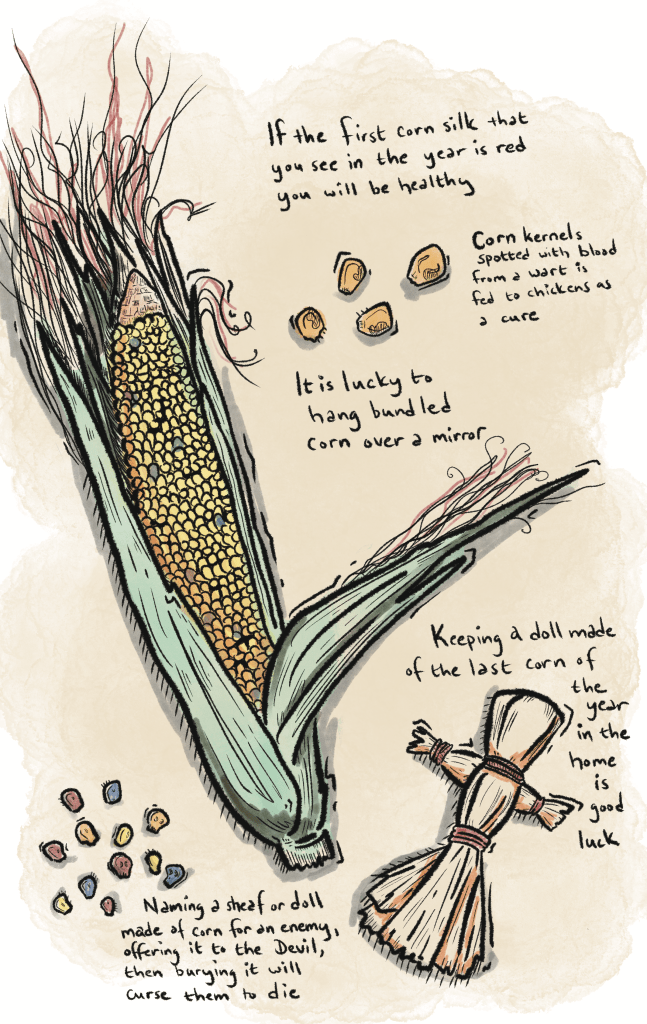
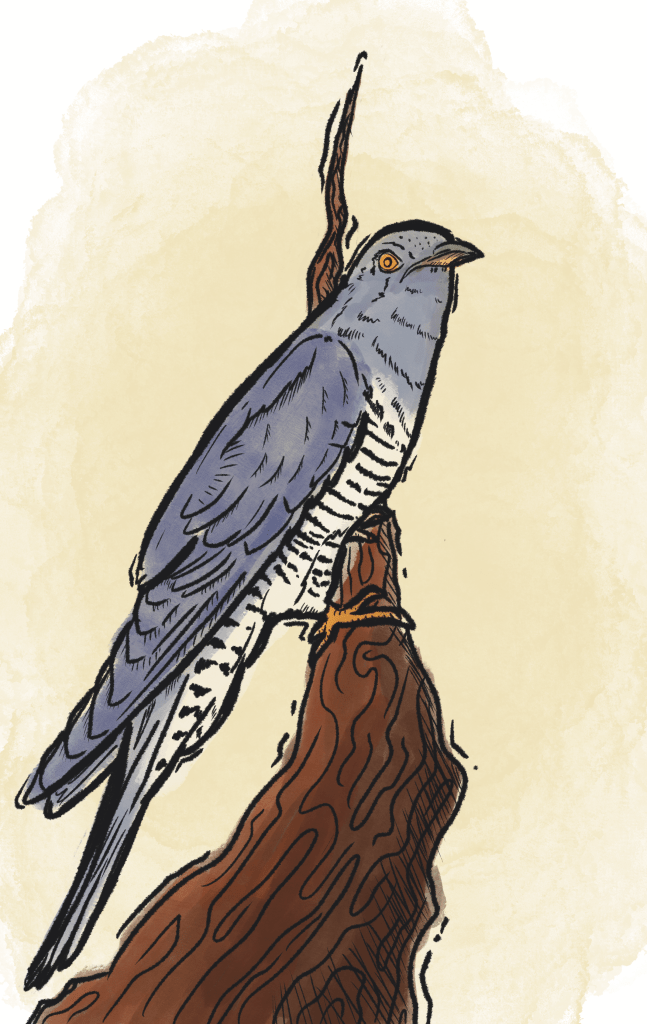


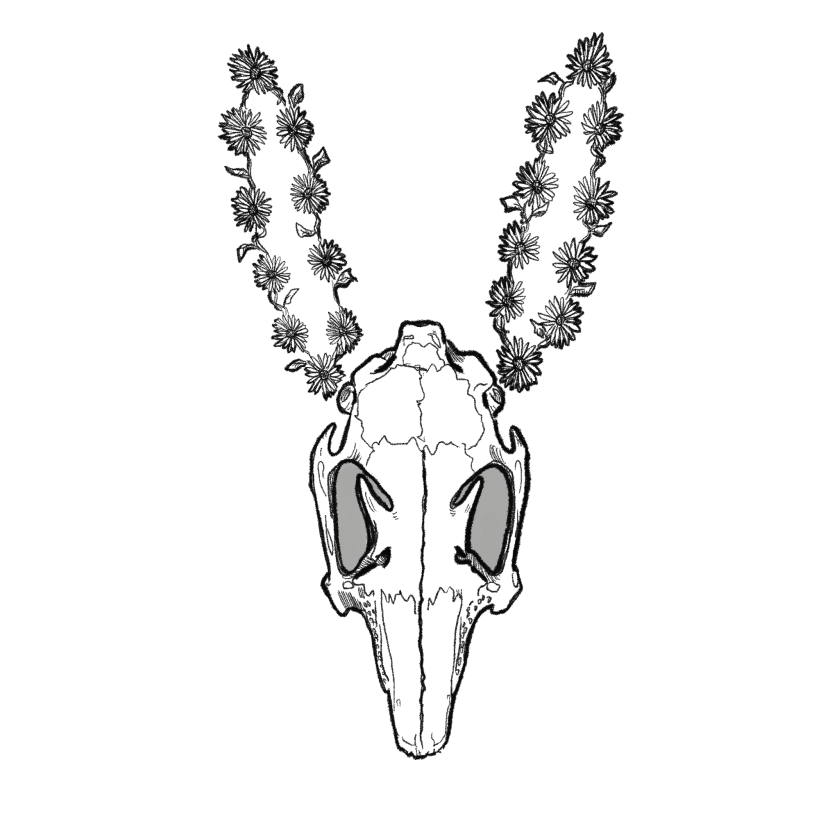
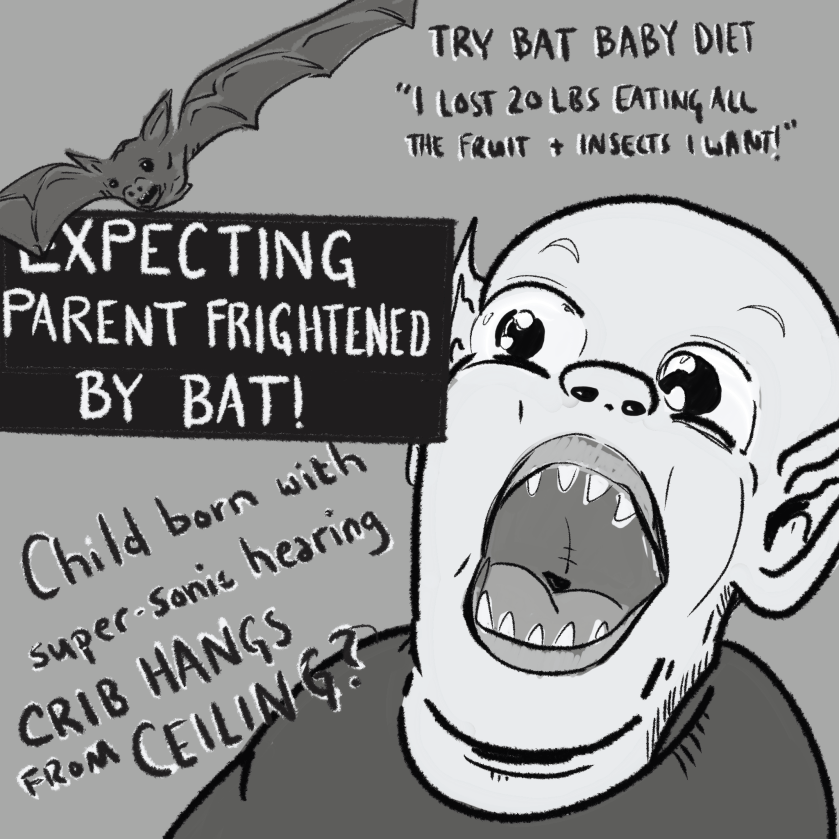
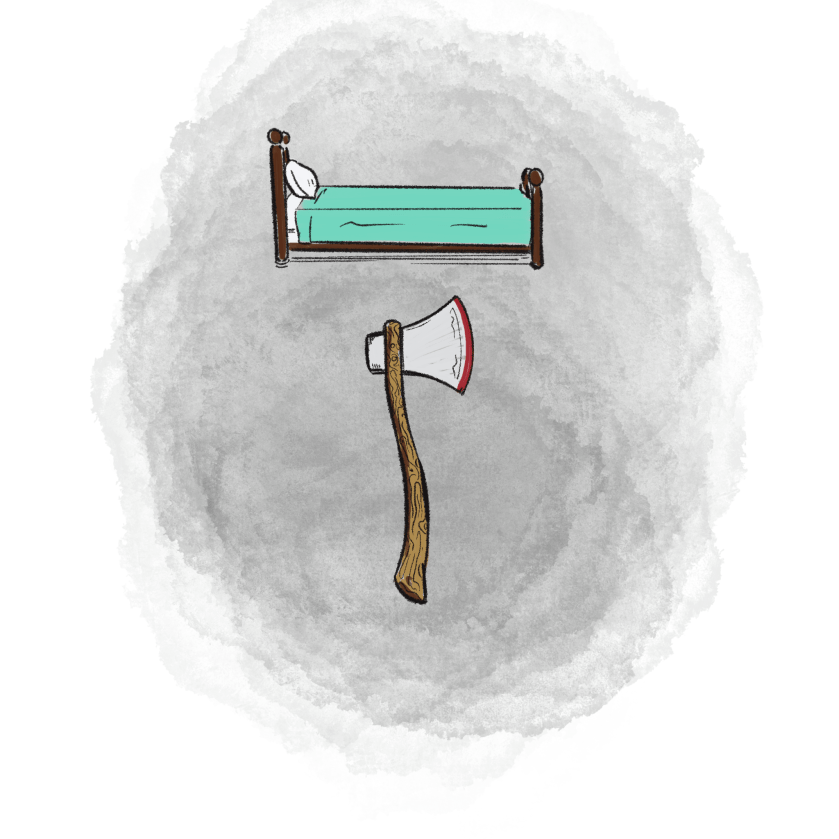
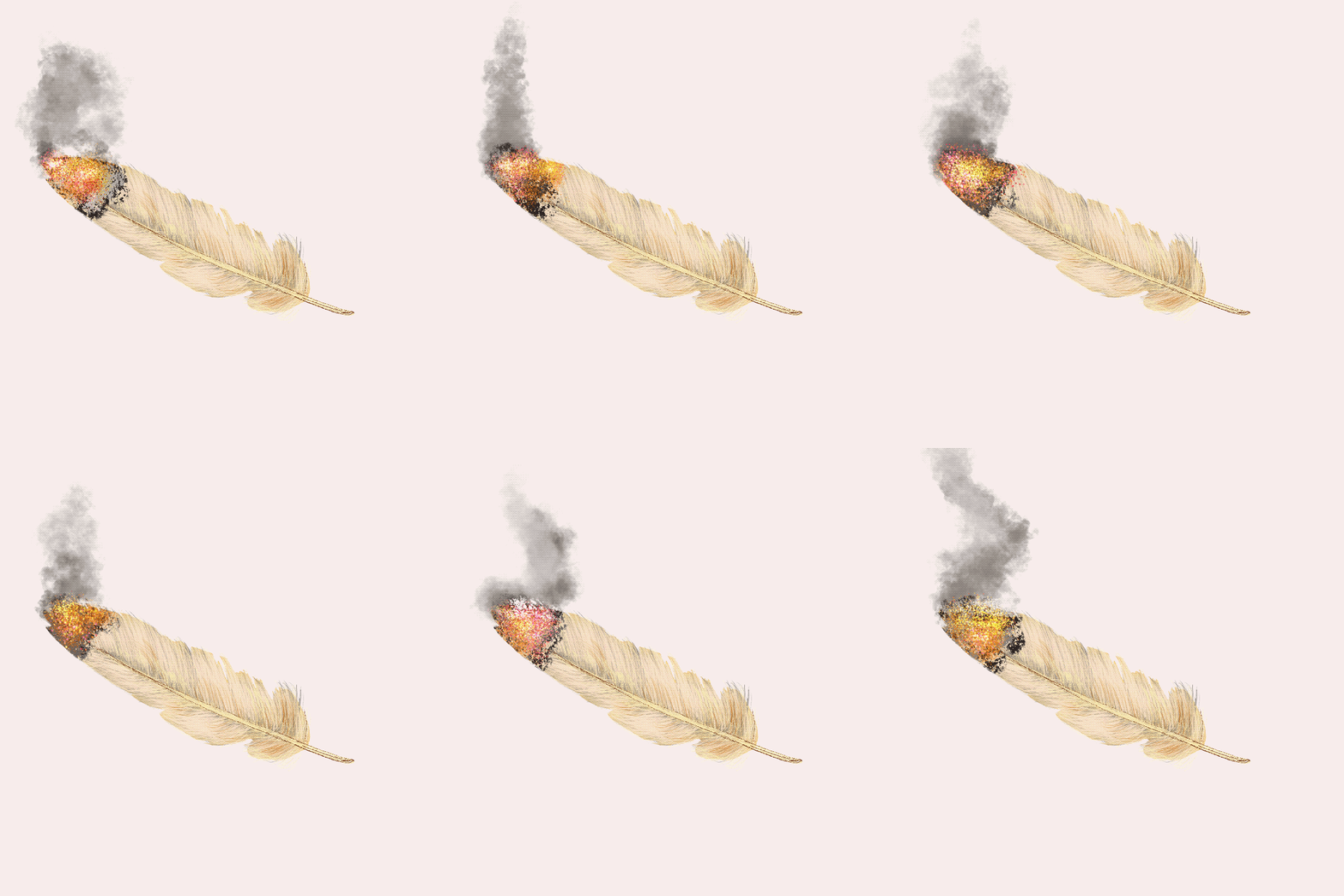
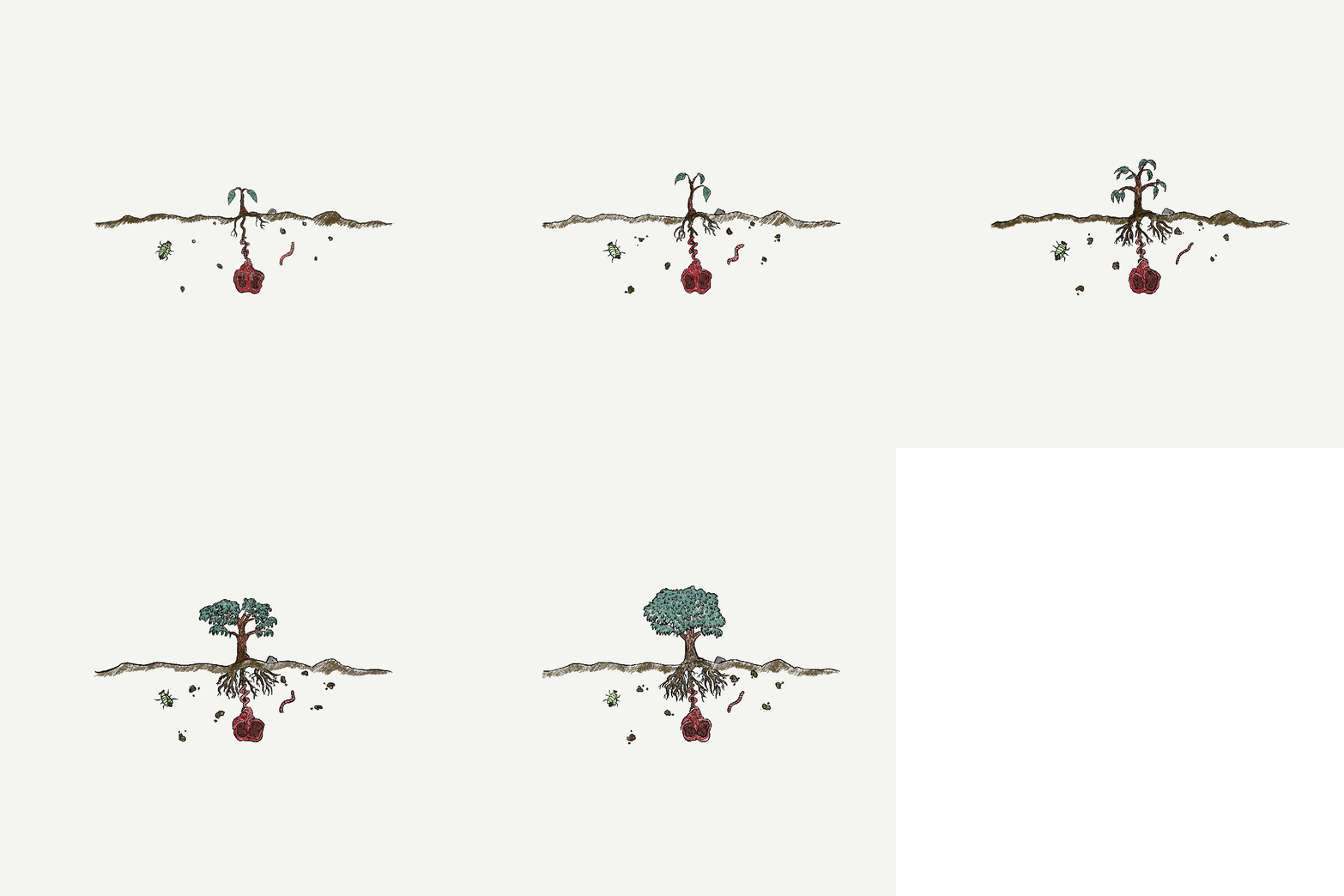


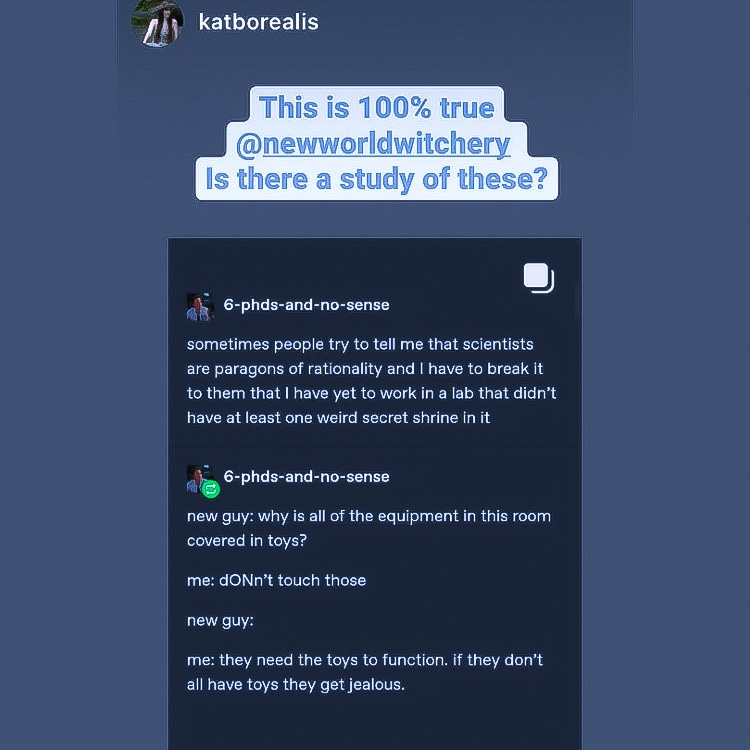

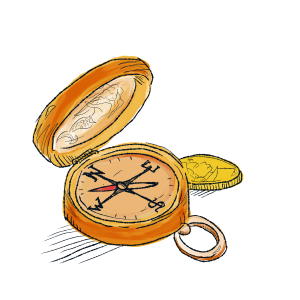

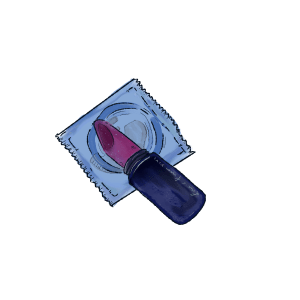


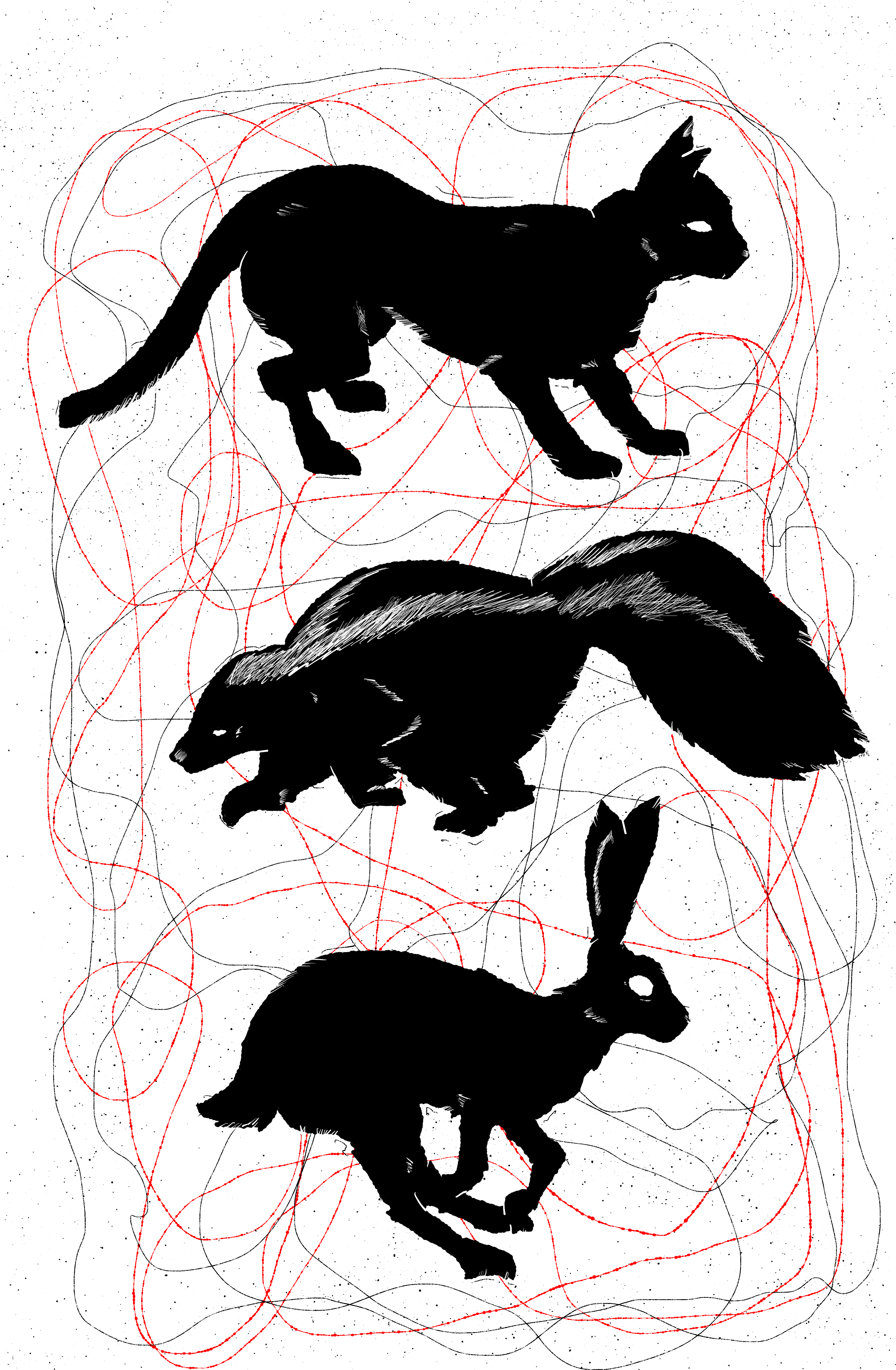


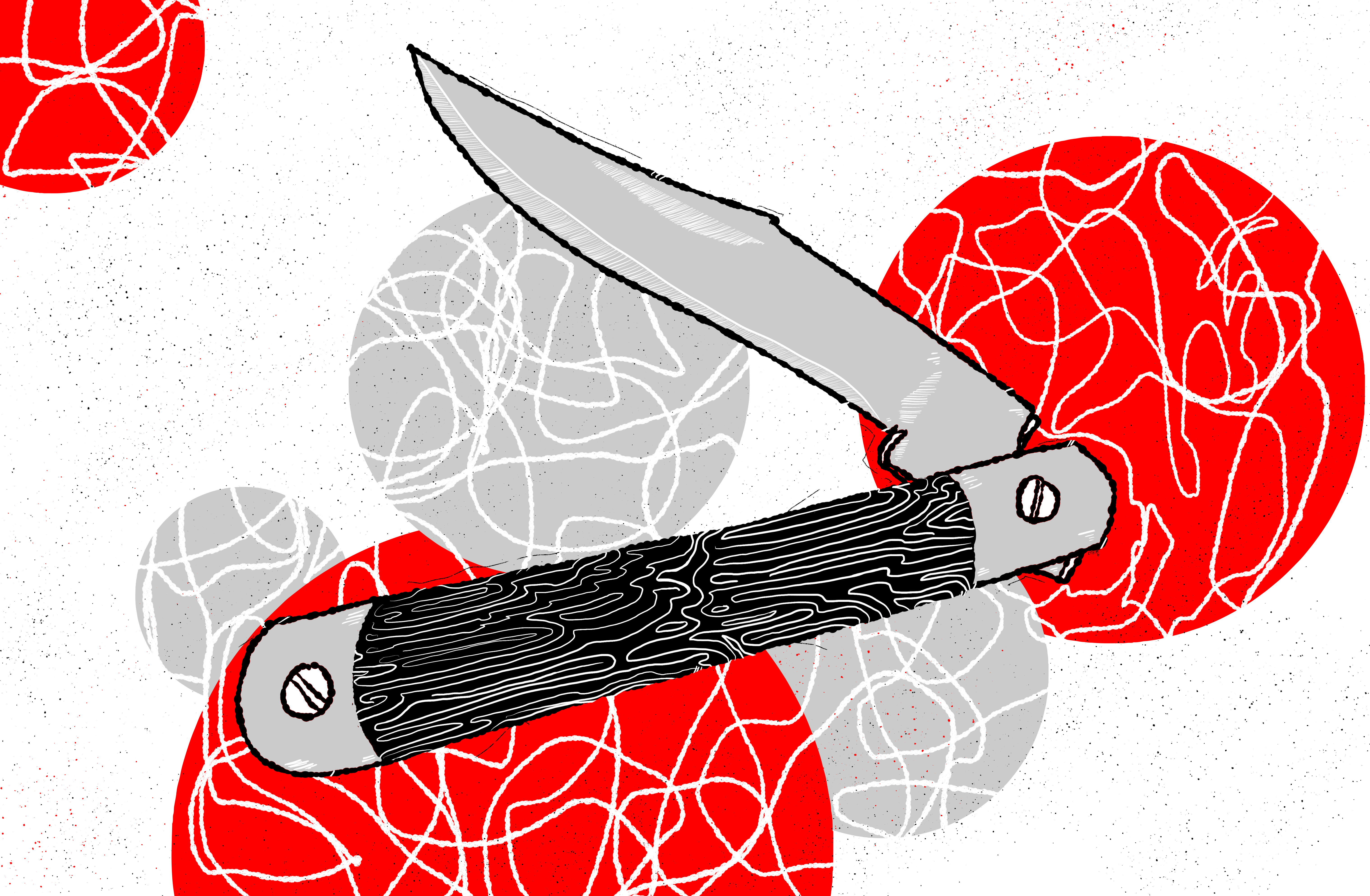


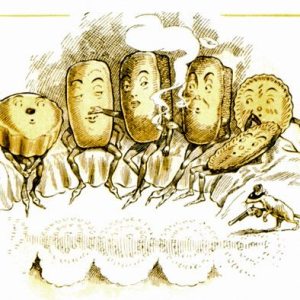



 New World Witchery - The Search for American Traditional Witchcraft