Shownotes
A short episode in which we do a pre- and post- discussion of our Walpurgisnacht 2012 celebration.
Listen: Tales from the Witching Hour No. 3
Play:
Music
“Serenade,” by Schubert. From http://www.archive.org/
New World Witchery – The Search for American Traditional Witchcraft
A show about magic and witchcraft in North America
Shownotes
A short episode in which we do a pre- and post- discussion of our Walpurgisnacht 2012 celebration.
Listen: Tales from the Witching Hour No. 3
Play:
Music
“Serenade,” by Schubert. From http://www.archive.org/
-SHOWNOTES FOR PODCAST SPECIAL – MEMPHIS MOJO–
Summary
In this episode, Cory takes you along with him on a trip to Memphis, Tennessee, to discover that city’s magical and mystical side.
Play:
Download: New World Witchery Special – Memphis Mojo
-Sources-
Places:
Ebbo Spiritual Supply
Tater Red’s on Beale St.
A. Schwab’s on Beale St.
The Center for Southern Folklore
The Crystal Grotto at the Memorial Park Cemetery
Information:
“Nation Sack” from Lucky Mojo Curio Co. by Catherine Yronwode
“Voodoo Village” from Haunted America Tours
You can now request Card Readings from Cory via email, if you are so inclined.
Don’t forget to follow us at Twitter!
-Music-
Memphis Minnie: “Hoodoo Lady Blues”
Robert Johnson: “Come on in My Kitchen”
Marideth Sisco & Blackberry Winter: “Cold, Rain, & Snow,” and “On a Hill Lone & Gray”
Blind Mississippi Morris: “Mysterious Woman Blues”
New World Witchery Special – Memphis Mojo
Cory takes you on a journey with him to Memphis, Tennessee, to explore the mystery and magic of that city.
(complete shownotes at http://www.newworldwitchery.com)
Hi everyone!
Thanks to all who participated in our recent mini-contest, guessing where I was for Blog Post 157. The correct answer, of course, was Memphis, Tennessee!
Our big winner of the Compass & Key Lucky Bundle prize is…..
Coyote Rose!
Congratulations to you! Please send me an email at compassandkey@gmail.com with a shipping address, and we’ll get that prize package out the door to you.
Again, lots of thanks to all who played! Keep watching our feed for more on the Memphis trip, very soon!
-Cory


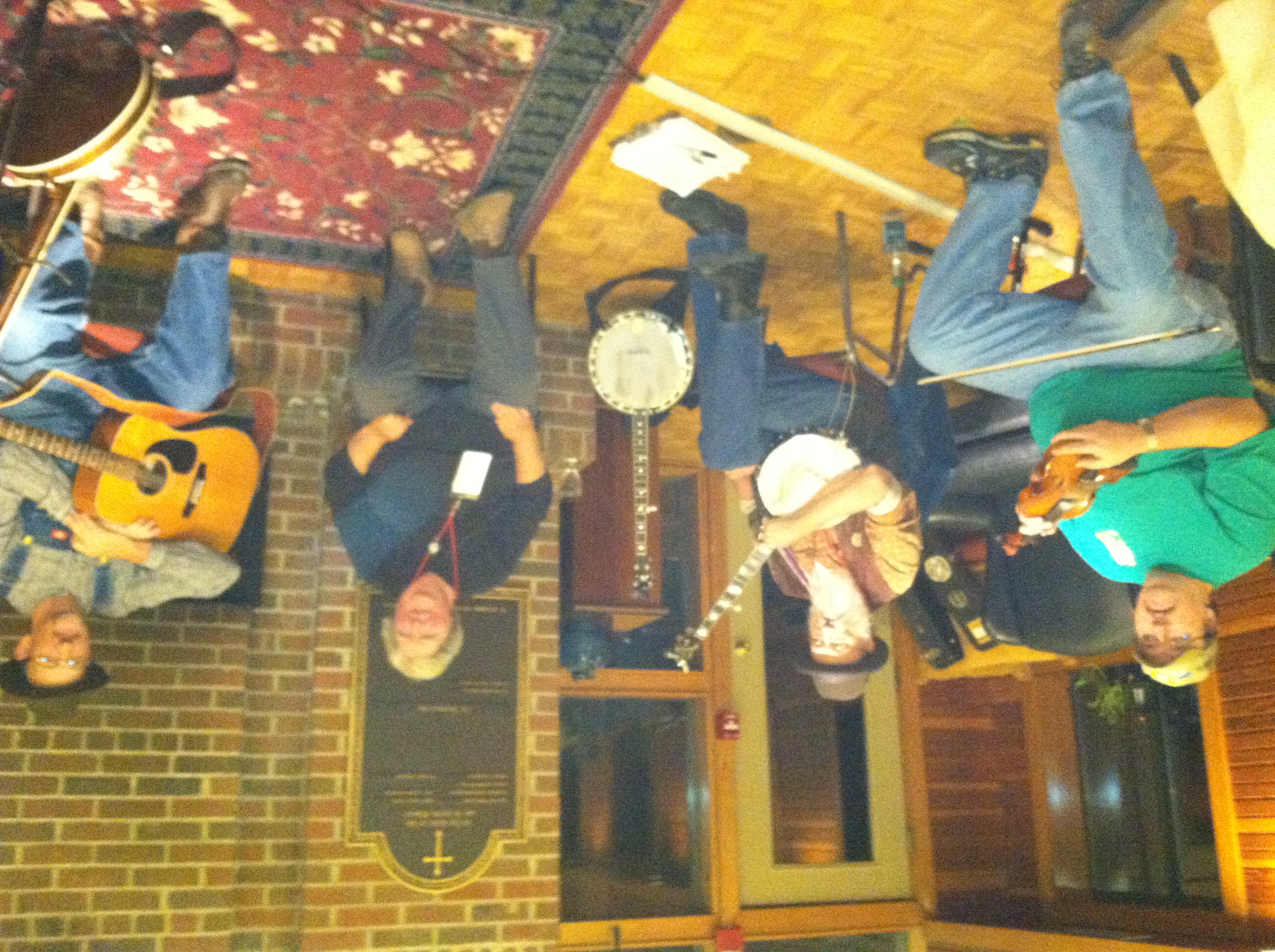



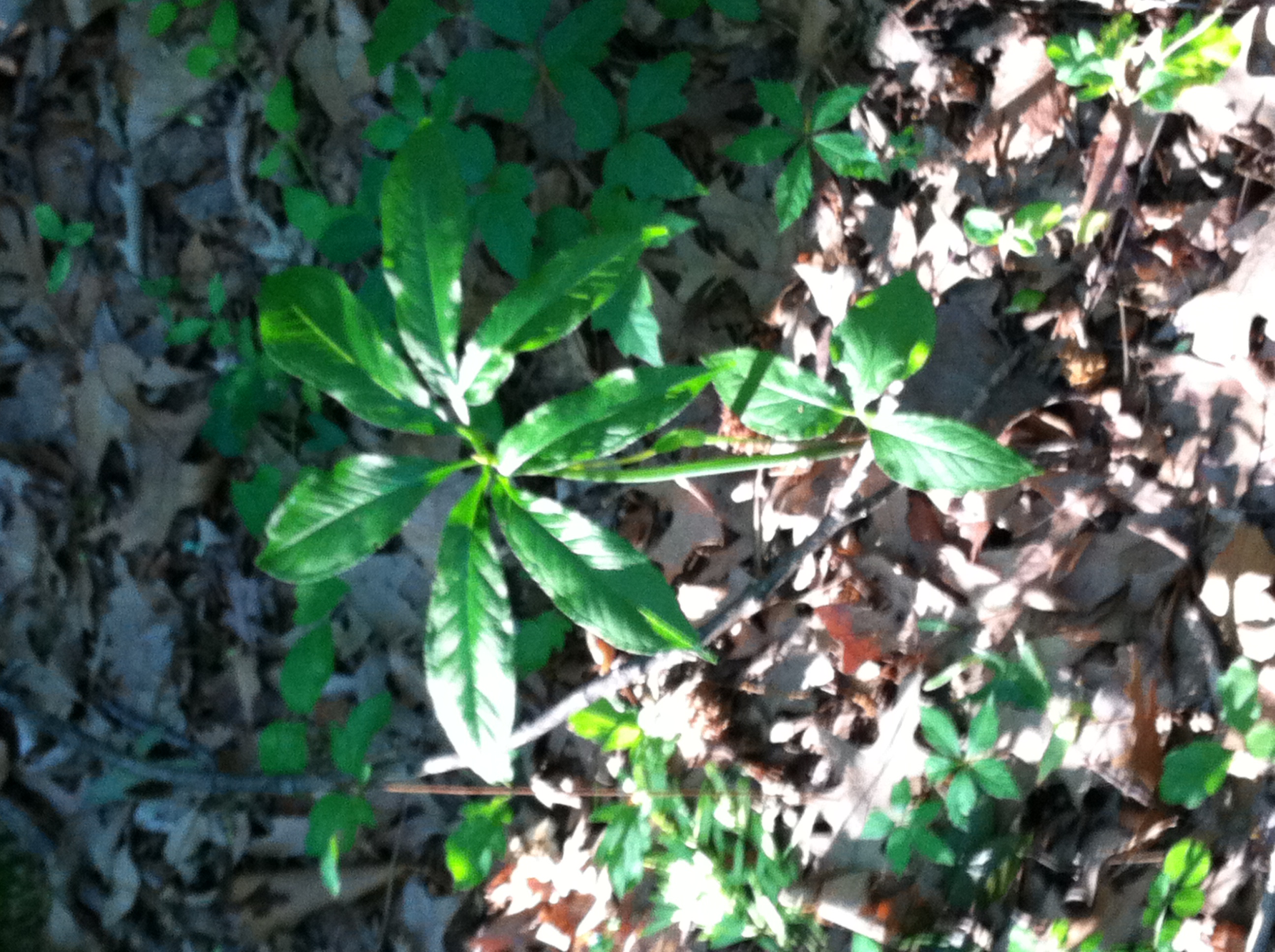




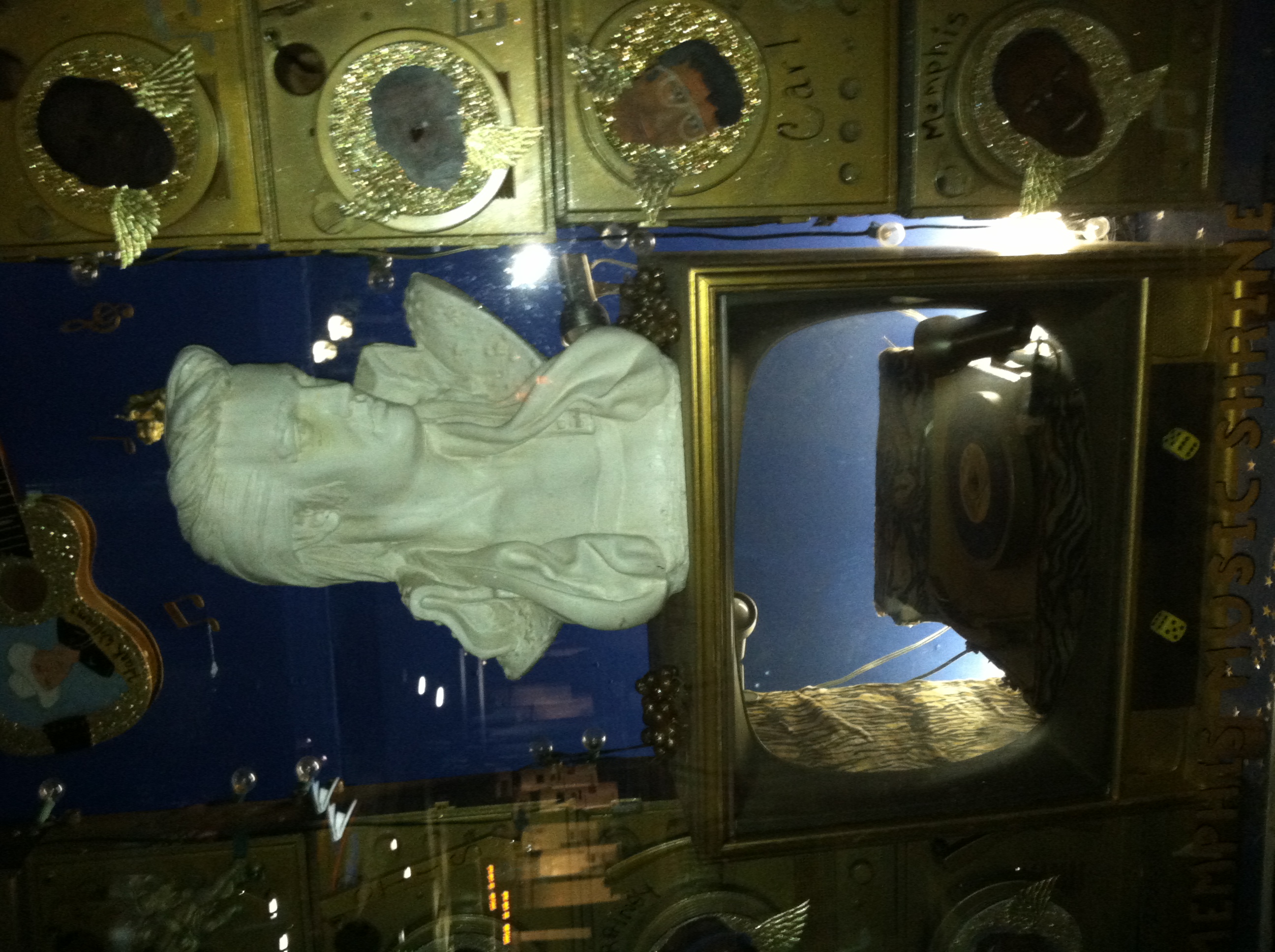


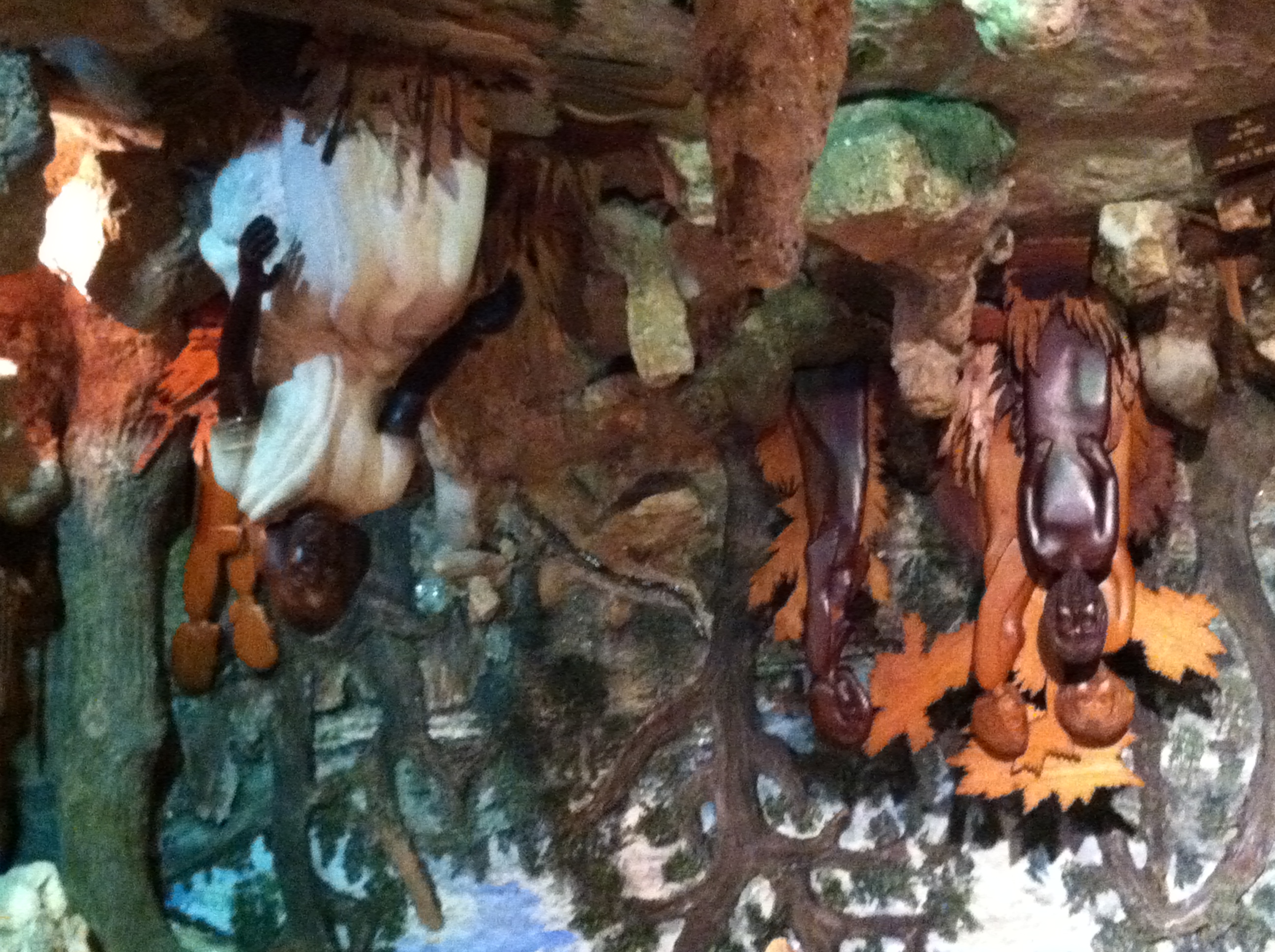
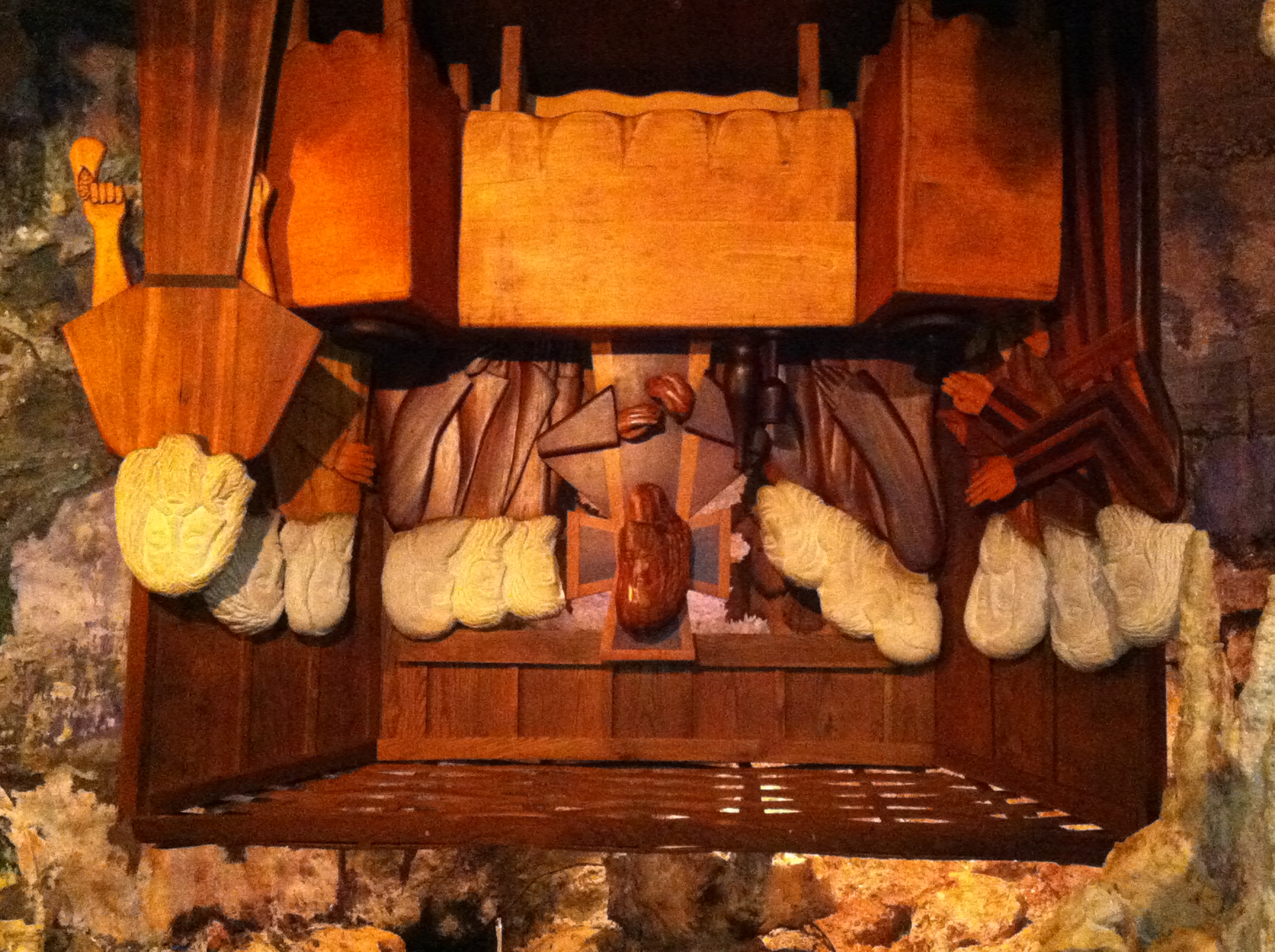

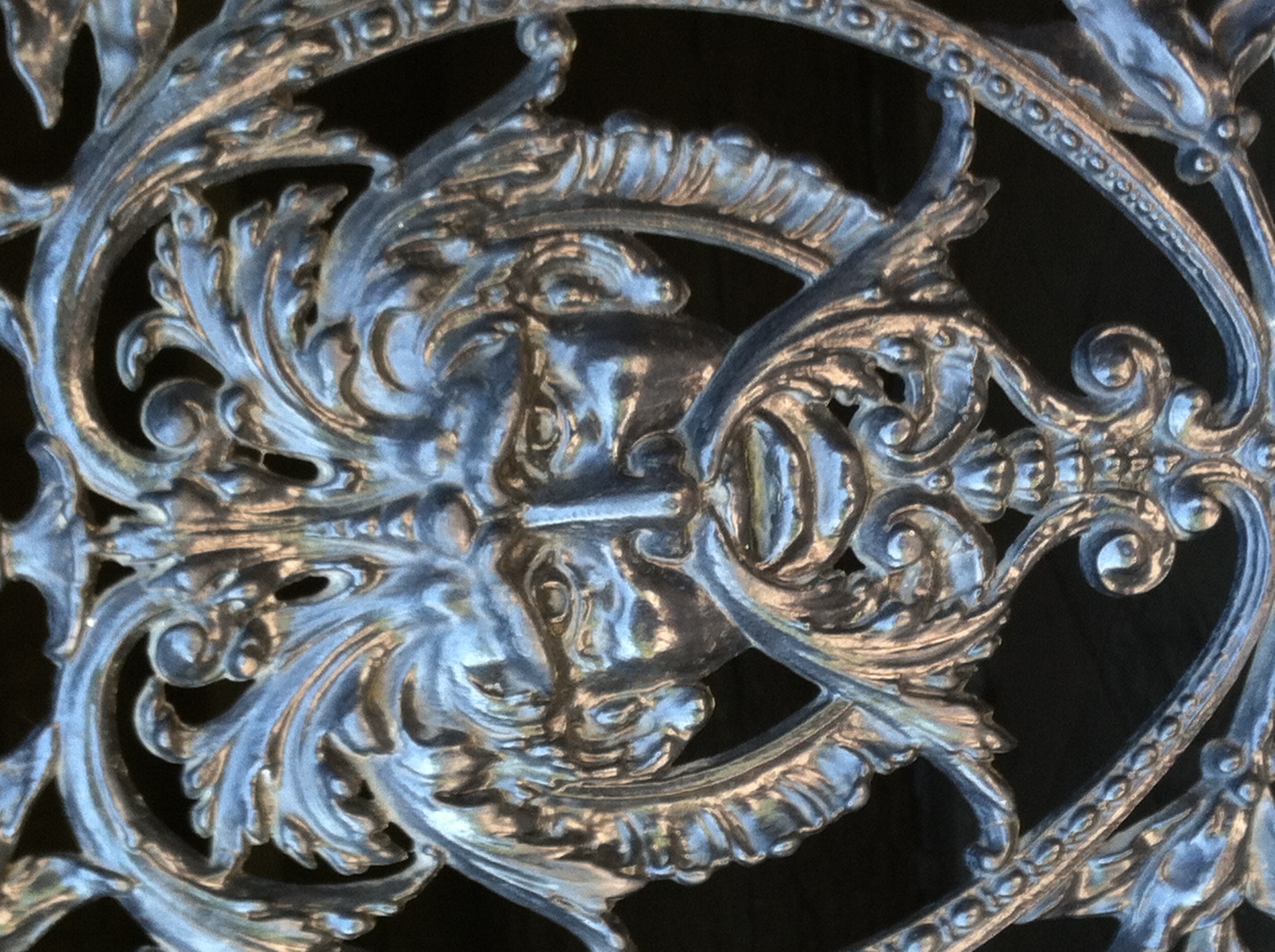



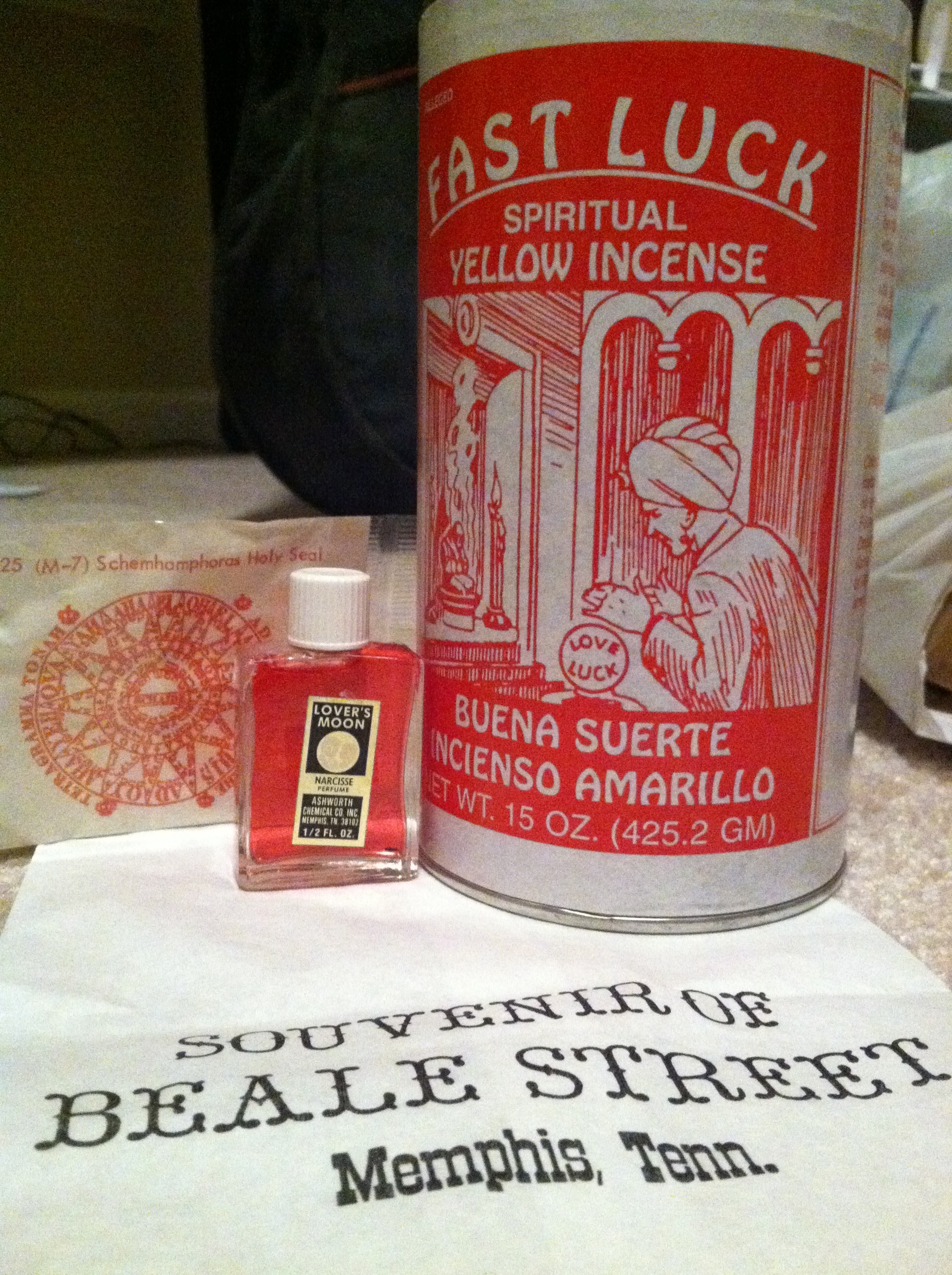

Bonus! Answer the following (very easy) question and get your name in the hat for a prize! One lucky winner will get a Lucky Bundle from Compass & Key Curiosities with a few bottles of our best lucky oils and a lucky curio or two. Leave your answer in the comments section below by MIDNIGHT TONIGHT (4/25/12) to enter!
The Question: Where was I?
Told you it was easy! Good luck!

Greetings blog subscribers (and casual readers, too)!
When I first stumbled on today’s gorgeous botanical subject in the hilly areas around Chattanooga, I couldn’t believe what I was seeing. The passionflower is one of the most outlandish, garish, over-the-top, and beautiful blooms I’ve encountered in the wild. It looks as thought it would be more at home in a tropical nursery than growing in the foothills of the Appalachians, and yet this clinging vine with big, showy blossoms is right at home among sweetgum trees, sassafras, and tulip poplars.
The flower is sort of ‘leveled,’ with a base of beautiful petals which come in vibrant colors like purple and pink upon which rest elevated pistils and soaring stamens in a delicate (and highly symbolic) pattern. The passionflower goes by several names, including the maypop, herb of the Cross, and maracuja. The latter name comes from Spanish-speaking localities in which the twining vine blooms, and the flower has definitely found a home in the folklife of Hispanic herbalists. But before I get ahead of myself with all of that, let’s look briefly at some of the Old World lore about this lovely bit of flora.
Here’s a description of how the passionflower got its name, from perennial (pardon the pun) favorite, T. F. Thiselton-Dyer’s The Folk-lore of Plants:
“The passion-flower has been termed Holy Rood flower, and it is the ecclesiastical emblem of Holy Cross Day, for, according to the familiar couplet:—
‘The passion-flower long has blow’d
To betoken us signs of the Holy Rood.’ (CH XVII)”
“A plant closely connected by tradition with the crucifixion is the passion-flower. As soon as the early Spanish settlers in South America first glanced on it, they fancied they had discovered not only a marvellous symbol of Christ’s passion, but received an assurance of the ultimate triumph of Christianity. Jacomo Bosio, who obtained his knowledge of it from certain Mexican Jesuits, speaks of it as ‘the flower of the five wounds,’ and has given a very minute description of it, showing how exactly every part is a picture of the mysteries of the Passion. ‘It would seem,’ he adds, ‘as if the Creator of the world had chosen it to represent the principal emblems of His Son’s Passion; so that in due season it might assist, when its marvels should be explained to them, in the condition of the heathen people, in whose country it grew.’” [21] (CH XIX)
The passionflower naturally fits into a schema of religious botany, then, and would seem to be a sort of pinnacle representation of the Doctrine of Signatures, which essentially states that every plant (or creatrure, for that matter) bears certain visual, olfactory, or other cues indicating what the divine intends us to do with it.
Medicinally, this plant has a powerful sedative effect, though not one so strong as something like valerian root. This can be seen as a sort of ‘peace,’ bestowed by the plant as its creator would bestow divine peace. You can read a good bit about its medicinal qualities here and here, where they are able to get much more into the hows and whys of passionflower’s sedative effects. [Though I will note here, as I always do, THIS IS NOT A MEDICAL BLOG, AND I DO NOT PROVIDE MEDICAL ADVICE. PLEASE CONSULT YOUR PHYSICIAN FOR MEDICAL INFORMATION ABOUT HERBS, SUPPLEMENTS, OR ANY OTHER TREATMENTS YOU ARE CONSIDERING].
Moving into passionflower’s magical side, there is surprisingly little to do with its ability to inspire religious faith, offer any kind of divine protection, or even be used as a decoration on altars to holy saints, which greatly surprises me. I would think those uses would be nearly the first use I’d put them to, but wiser workers than I would note that passionflower’s real power is not just in its blossom, but in its less showy bits: the tangly and highly clinging vine which supports the gorgeous floral display.
Cat Yronwode describes the passionflower as an ingredient in the Chuparrosa (or “hummingbird” in Spanish) charm, which is used to foster feelings of love and attachment (hence the clinging-vine quality):
“Dried Passion Flower leaves or pieces of the root may be carried in a red flannel bag dressed with Love Me Oil. Mexicans are known to add such a bag a charm to the Divine Hummingbird, or Chuparrosa. In the old days this would have been dried hummingbird heart, but it is illegal to kill hummingbirds or to possess their body parts in some states now—and with good reason, as the birds are under tremendous habitat destruction pressure from human beings. A metal charm of a hummingbird sewn to the bag or carried inside will do just as well” (Hoodoo Herb & Root Magic, 142)
Beyond its love-bringing and binding qualities, the flower also seems to bring feelings of peace and contentment between lovers and members of a household, likely due to its soporific effects in its medical applications.
In Latin American countries, the passionflower has similar applications, including use as a love-binder and spiritual sedative. It’s also used in a Brazilian floral horoscope, where it represents the month of June. Again, I’m surprised at its limited appeal as a holy or divine flower, as I think it would likely be an excellent addition to offering altars to Marian incarnations or to do work with Jesus in various forms. But that’s merely speculation on my part, so I digress.
If you’ve had any experiences, magical or otherwise, with this amazing bloom, we’d love to hear about them! Feel free to leave a comment below or email us if you know more about this beautiful, intriguing addition to American flora.
Thanks for reading!
-Cory
Hi all!
I know this isn’t the botanical lore I was promising for the month of April, but don’t worry, there’s more of that coming. I just had to share something that my very dear and wonderful friend Kathleen alerted me to. One of my favorite non-magical podcasts in the world, Radiolab, just did a really interesting mini-show on a topic which intersects with our work here!
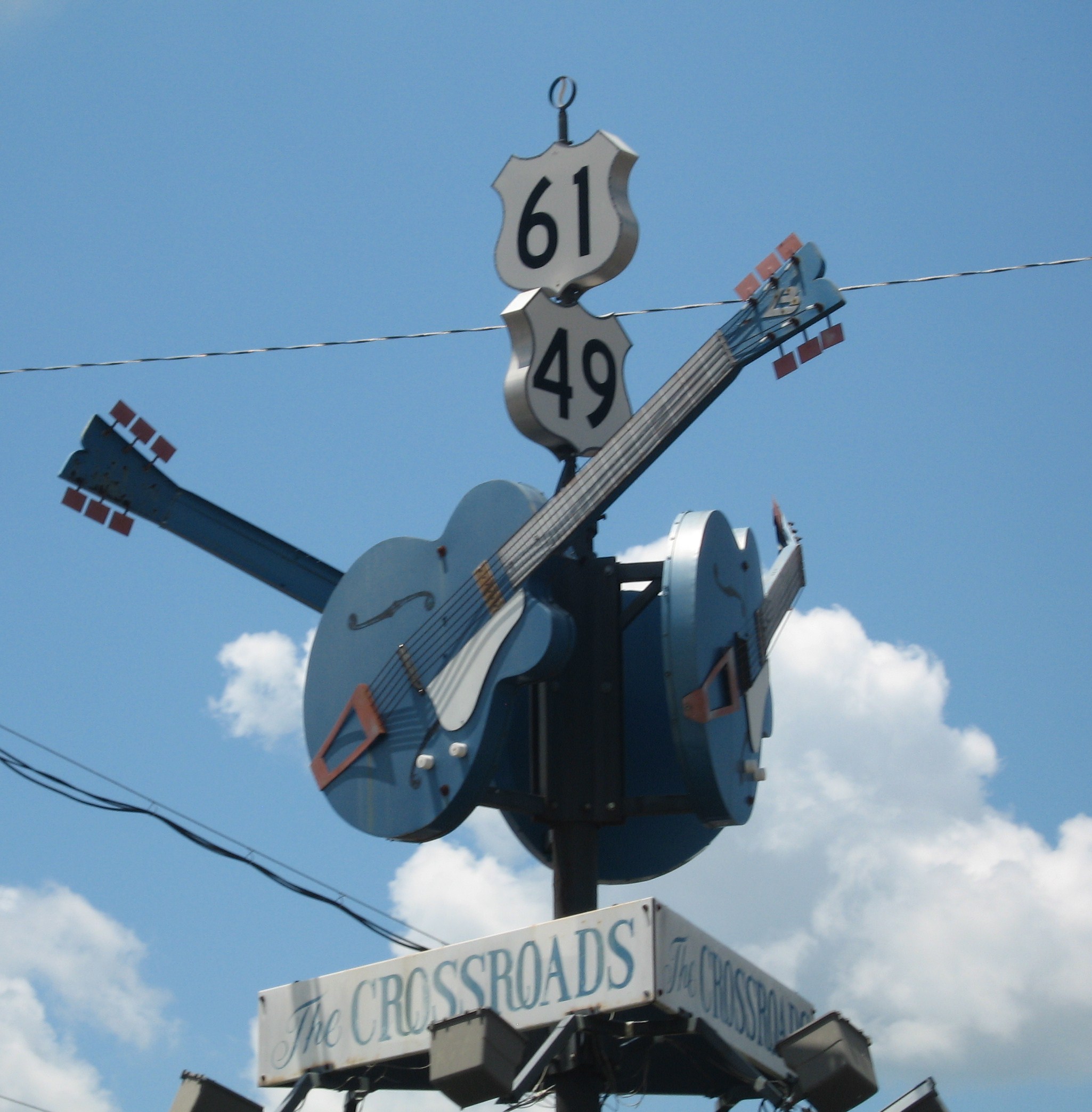
Please hop over and check out the 30 minute Radiolab short on the Crossroads, specifically the tangled crossroads legend surrounding blues players Robert Johnson (to whom the myth of selling his soul to become a great blues player is frequently ascribed) and Tommy Johnson (who may actually have done the crossroads ritual). There are fantastic interviews with music historians, blues experts, and even Tommy Johnson’s brother, all of which help shed light on the strange and gorgeous African American folk tale about gaining new power at the crossroads.
I should point out that they come at this from a scientific and historical perspective, and really are pursuing the true story about the musicians rather than doing much to get at the folkloric roots of the crossroads phenomenon. They specifically wind up ignoring the existence of the story in other African American literary and folklore sources, such as these:
Various legends are in vogue among the Negroes to account for the origin of this creature. One illustrating the common theme, was told me by a root-doctor last summer. Jack sold himself to the devil at the crossroads one night at twelve o’clock. For seven years all power was given to him to do as he pleased, but at the end of that period his soul belonged to the devil. [This eventually goes on to tell the story of Jack-o-Lantern, but the crossroads portion of it is given here as illustration of my particular point]
How to Have a Slick Hand with People.
On the dark moon of any Friday night, dress yourself in black. Sit flat in the fork of a cross road at exactly twelve o’clock and sell yourself out to the devil. After which you shall have power to do anything you wish to do (“Hoodoo in America,” 392)
There are so many other appearances of crossroads in folklore that it would be daunting to tackle them here (though I will probably try to do a bigger article on them some day). My real point is just to say that while I love the Radiolab story, they definitely overlooked a large amount of crossroads material so that they could focus more on the story of two real blues musicians, which is understandable.
I really do hope you’ll give this particular show a listen. It’s great, especially in its ability to untangle the two legends from one another, and you get to hear some really hauntingly good blues, too. Let me know what you think of it!
All the best, thanks for reading, and see you down at the crossroads…
-Cory
-SHOWNOTES FOR EPISODE 41–
Summary
This episode is all about the various springtime lore we received for our recent contest. It’s lots of bunnies, eggs, and the occasional swat on the behind in this show! Plus we have our contest winners announced.
Play:
Download: New World Witchery – Episode 41
-Sources-
Almost all the lore was listener submitted, but we do have a few links to share:
1. We received some great lore from Peter M, who runs a stellar blog on New England folklore. Check it out!
2. You should also check out folklore submitter Jen’s blog, Rue & Hyssop, which is delightful!
3. If you want to know more about gardening and astrology, we did several posts on the topic: Blog Posts 18, 19, & 20.
4. We mentioned two books: Old Wives’ Lore for Gardeners by Maureen & Brigit Boland, and Grimoire for the Apprentice Wizard by Oberon Zell-Ravenheart
5. In case you can’t get enough of Cory, he was also on the March episode of Inciting a Brewhaha
6. You should definitely also listen to the 2012 episode of Between the Earth and Stars by Oraia Helene. It’s amazing!
Congratulations to our Spring Lore Contest winners!
1. Jen at Rue & Hyssop won the Card Reading from Cory
2. Kelly won the copy of Etched Offerings: Voices from the Cauldron of Story
3. StarRider won the Compass & Key Apothecary prize pack
Many thanks to all who entered! We think this was a great show and couldn’t have done it without you!
You can now request Card Readings from Cory via email, if you are so inclined.
Don’t forget to follow us at Twitter!
Promos & Music
Title music: “Homebound,” by Jag, from Cypress Grove Blues. From Magnatune.
Promo 1 – Between the Earth & Stars
Promo 2 – Lakefront Pagan Voice
Promo 3 – Pagan in Portland
New World Witchery – Episode 41
Spring Lore Spectacular!
(complete shownotes at http://www.newworldwitchery.com)

I imagine that I’ll get a sharp increase in visitors from Ohio with this article. Today’s featured botanical is the buckeye, which is both the name of the tree and the fruit (or nut) of that tree. It grows in a wide variety of locations, including all over Europe and North America, and is also frequently referred to as a “horse chestnut” (which is actually a very specific species within the bigger buckeye family). Since you can find a great deal of botanical information on the tree elsewhere (like at the USDA Plants database), I’ll narrow my focus here to the folklore and magical uses of the nut.
T.F. Thiselton-Dyer, author of the botanical mythography classic The Folk-lore of Plants, makes the following observations about the horse-chestnut:
“A Worcestershire name for a horse-chestnut is the ‘oblionker tree.’ According to a correspondent of Notes and Queries (5th Ser. x. 177), in the autumn, when the chestnuts are falling from their trunks, boys thread them on string and play a ‘cob-nut’ game with them. When the striker is taking aim, and preparing for a shot at his adversary’s nut, he says:—
‘Oblionker!
My first conker (conquer).’
The word oblionker apparently being a meaningless invention to rhyme with the word conquer, which has by degrees become applied to the fruit itself.” (CH XVIII)
Already I love this plant, don’t you? Essentially they seem to be used as marbles in children’s games (give them one point for that), and they also have a nice phonetic connection to the powerful hoodoo charm, John the Conqueror root, which is frequently called John de Conker (and that’s another point to the buckeye!). They actually look llike smoother versions of High John roots in some ways, so it doesn’t surprise me to find that they sometimes get substituted in for their powerful underground counterpart:
“Buckeye nuts are believed by some hoodoo “doctors” to increase a man’s sexual power. Shaped like miniature testicles, they are sometimes carried in the pants pockets as charms to bring men “good fortune in sexual matters.” In the southern and eastern regions of the United States, buckeyes are carried in mojo bags to cure or prevent such ailments as arthritis, rheumatism, and migraine headaches” (Gerina Dunwich, Herbal Magic, 86).
Cat Yronwode similarly cites buckeyes as charms for increasing male potency. Both Yronwode and Dunwitch, however, make it clear that a buckeye’s primary powers are to aid as a gambling charm and to help stave off aches and pains—particularly rheumatism and headaches. This view is heavily supported by a number of folklore sources:
From Newbell Niles Puckett, Folk Beliefs of the Southern Negro
From Harry M. Hyatt, Folklore of Adams Co., Illinois
From Daniel & Lucy Thomas, Kentucky Superstitions:
Kentucky Superstitions also has this rather fantastic bit of lore about the good ole horse-chestnut:
Vance Randolph devotes a sizeable amount of space to the folklore of buckeyes among the hillfolk of the Ozarks, also pointing out their strong associations with healing and protection from painful diseases. He relates an excellent story about just how deeply ingrained the belief in buckeye powers was in the mountains:
There is an old saying that no man was ever found dead with a buckeye in his pocket, but this is not to be taken seriously. Most people who carry buckeyes regard them as a protection against rheumatism, or hemorrhoids. One of the most successful physicians in southwest Missouri always carries a buckeye ; when it was mislaid once he was very much disturbed and let an officeful of patients wait until his pocket piece was recovered. It is very bad luck to lose a buckeye. I asked this doctor about it once. “No, I’m not superstitious,” he said grinning, “I just don’t want to get the rheumatism!” (Ozark Magic & Folklore, 153)
There is some excellent lore about the buckeye and just why it became the namesake for Ohio from the Ohio Department of Natural Resources website. They mention the lucky association, likening it to a four-leaf clover or rabbit’s foot, and links the state nickname to William Henry Harrison or alternatively to Col. Ebenezer Sproat (a simply fantastic name), both Ohioans of historic and heroic stature.
Probably my favorite bit of folklore concerning the lovely horse-chestnut comes from an online forum I found while researching this topic. You can read the full thread here, but I simply cannot fail to mention this fantastic tidbit:
There is a belief by some that only half the buckeye is poisonous, and that only squirrels know which half that might be in a particular nut. Squirrels do sometimes eat a part of the nut.
There you have it: squirrels are smarter than we are. But I’ve known that for a while (at least in my case it’s true).
At any rate, the buckeye can be carried as a lucky charm or worked into other magical preparations, and it has a huge body of lore associated with it. So much, in fact, that I’ve barely (prepare for pun) cracked the shell here. If you know of great buckeye lore and magic, I’d love to hear about it! Or if you just want to pelt me with horse-chestnuts for making bad puns, I’ll be here all day.
Thanks for reading!
-Cory
 New World Witchery - The Search for American Traditional Witchcraft